Long-range acoustic devices adopted by 25 navies globally for vessel protection
Long-range acoustic devices have been adopted by twenty-five navies worldwide for vessel protection. Their use has also sparked legal scrutiny and civil liberties debates.
- Core Development: Long-range acoustic devices have been adopted by twenty-five navies worldwide for vessel protection. Their use has also sparked legal scrutiny and civil liberties debates.
- Beat Context: Categorized under Weather with independent corroboration.
- Reporting Depth: 3 minute analytical read synthesized from verified newsroom sources.
Long-range acoustic devices, also referred to as acoustic hailing devices or sound cannons, have been formally adopted by twenty-five navies globally for vessel protection and maritime security. According to Wikipedia, the impetus for developing modern acoustic hailing equipment emerged following the October 2000 suicide attack on the USS Cole while it was at a port in Yemen. Al-Qaeda operatives bombed the American guided missile destroyer using a small boat packed with explosives, resulting in the deaths of seventeen U.S. Navy sailors and injuring thirty-seven others. Naval personnel on the vessel struggled to be sure their messages could be heard by the approaching boat at a sufficient distance to avert the attack.
Following the bombing, navies around the world made several policy changes. The American Technology Corporation—which was rebranded to LRAD Corporation in 2010 and to Genasys in late October 2019—developed the acoustic hailing device market, launching its proprietary Long Range Acoustic Device in 2003. This technology enabled naval personnel to contact approaching watercraft that failed to respond to radio calls from a distance of over 3,000 metres, allowing operators to intervene early during potential security threats and respond appropriately.
Media additions

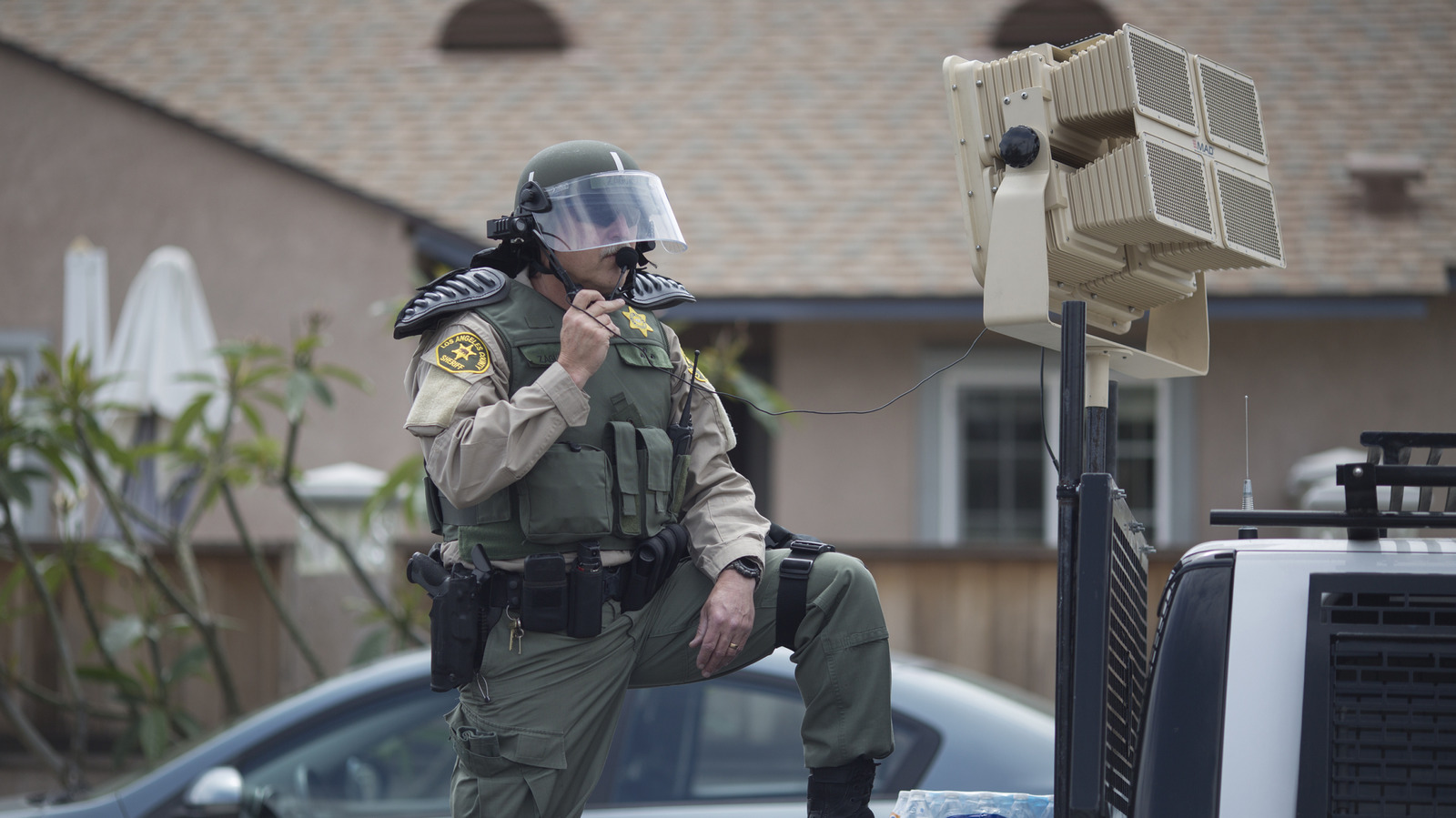
Acoustic hailing devices differ from conventional speaker systems in volume, clarity, and directionality. Because sound attenuates with distance, extremely high outputs are required to achieve the necessary range. According to Wikipedia and Genasys specifications, these systems have an output capacity of 135 decibels or greater, and can emit a targeted beam of sound reaching up to 160 decibels at one meter from the device. This volume level is louder than a jet engine at takeoff or a nearby gunshot. Unlike common bullhorns that produce muffled or distorted sound, AHDs create sound that is in phase using piezoelectric transducers, making messages intelligible at a distance. To ensure broadcasts reach the target, the hardware shapes sound into a 30 to 60-degree audio beam.
Military branches, coast guards, and law enforcement agencies have integrated the hardware into border security, wildlife control, and civil monitoring operations. Genasys offers its products for defense, law enforcement, fire and rescue services, border security, critical infrastructure protection, and maritime safety, with products in use across 100 countries. Notable historical deployments include the Hellenic Police acquiring two systems to test at the European Union border in the Evros region following the March 2020 migrant crisis triggered by the Turkish government. Japan's Coast Guard used the technology to expel a North Korean fishing flotilla in September 2017, and the Japanese whaling fleet installed LRADs on their vessels in February 2009 to use against activists of the Sea Shepherd Conservation Society. The United Kingdom Ministry of Defence deployed an LRAD on a landing craft on the River Thames during the 2012 Summer Olympic Games in London.
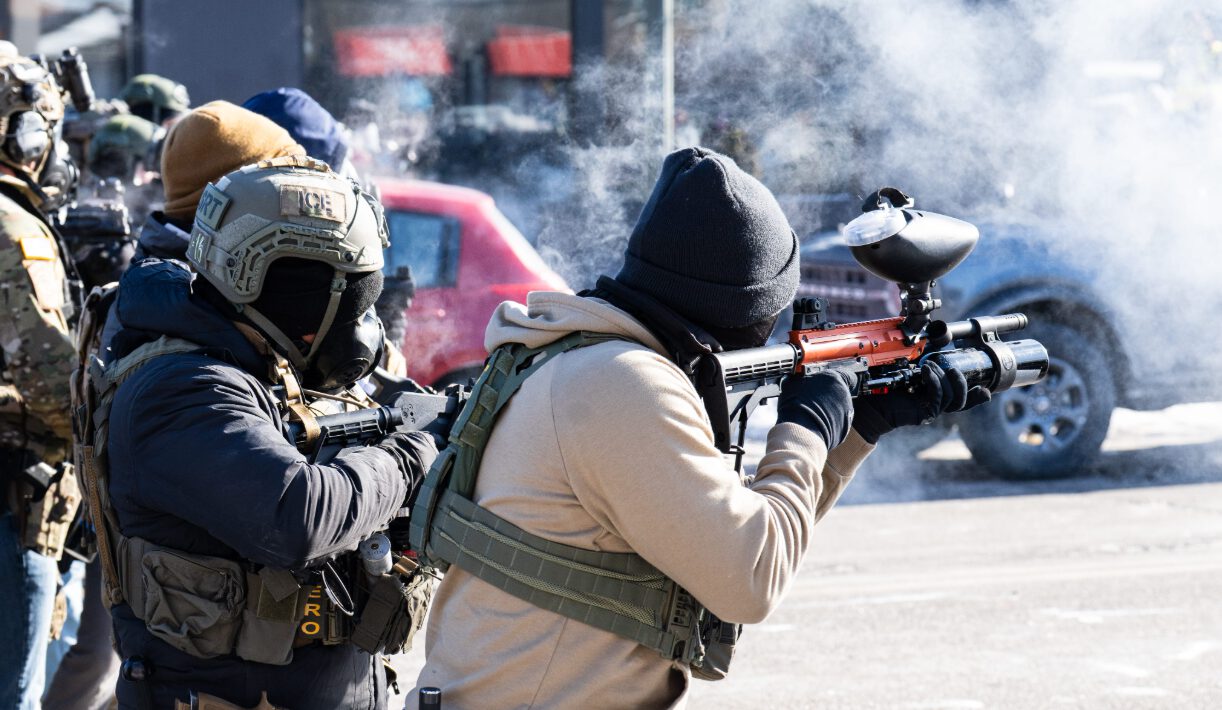
Law enforcement agencies initially acquired the technology for communication and emergency mass notification during natural disasters. However, deployment methods during public demonstrations transformed the equipment into less-lethal crowd control tools, leading to severe public backlash and litigation. Police forces in various municipal jurisdictions have utilized vehicle-mounted units to broadcast warnings and manage crowds, including during Black Lives Matter rallies, anti-racism protests, and pandemic-related restrictions. Civil liberties organizations, such as the American Civil Liberties Union, have expressed concern over police usage, citing a lack of training and potential health risks.
Medical experts and safety organizations note that high decibel output exceeds human pain thresholds and occupational safety limits, risking permanent hearing damage, severe migraines, vestibular disruption, and nausea. A New York City Police Department deployment during a 2014 protest in Midtown Manhattan resulted in a federal lawsuit filed by five protesters and photographers who alleged they experienced migraines, sinus pain, dizziness, facial pressure, and ear ringing after exposure to the alert tone. The city settled the lawsuit, agreeing to ban the police from using the alert feature, establish rules on LRAD use, and pay $98,000 in damages alongside $650,000 in legal fees.
As naval forces and municipal agencies continue utilizing these systems to safeguard critical infrastructure, secure coastal borders, and manage public gatherings, ongoing discussions center on strict operational restraint, specialized training, and adherence to proportional deployment standards to prevent unintended injuries.
How significant is this development?
Contribute your assessment to the aggregated reader sentiment ledger.
Frequently Asked Questions
Key questions answered in this reportWhat is the key development in: Long-range acoustic devices adopted by 25 navies globally for vessel protection?
Long-range acoustic devices have been adopted by twenty-five navies worldwide for vessel protection. Their use has also sparked legal scrutiny and civil liberties debates.
Why is this Weather development significant for the UK?
This report covers critical events in our Weather beat. Independent reporting monitors related UK statements, regulatory shifts, and public responses as further verified details emerge.
How was this reporting corroborated and verified?
Newsarchy UK compiles and cross-references reporting from primary reporting from ptetesting.com and cross-checked wire reports. All coverage adheres to published editorial standards.
When was this report published?
This briefing was published on November 2, 2026 and is permanently cataloged in the Newsarchy UK Weather archives.