Storm Austen batters UK as Brighton West Pier collapses into sea
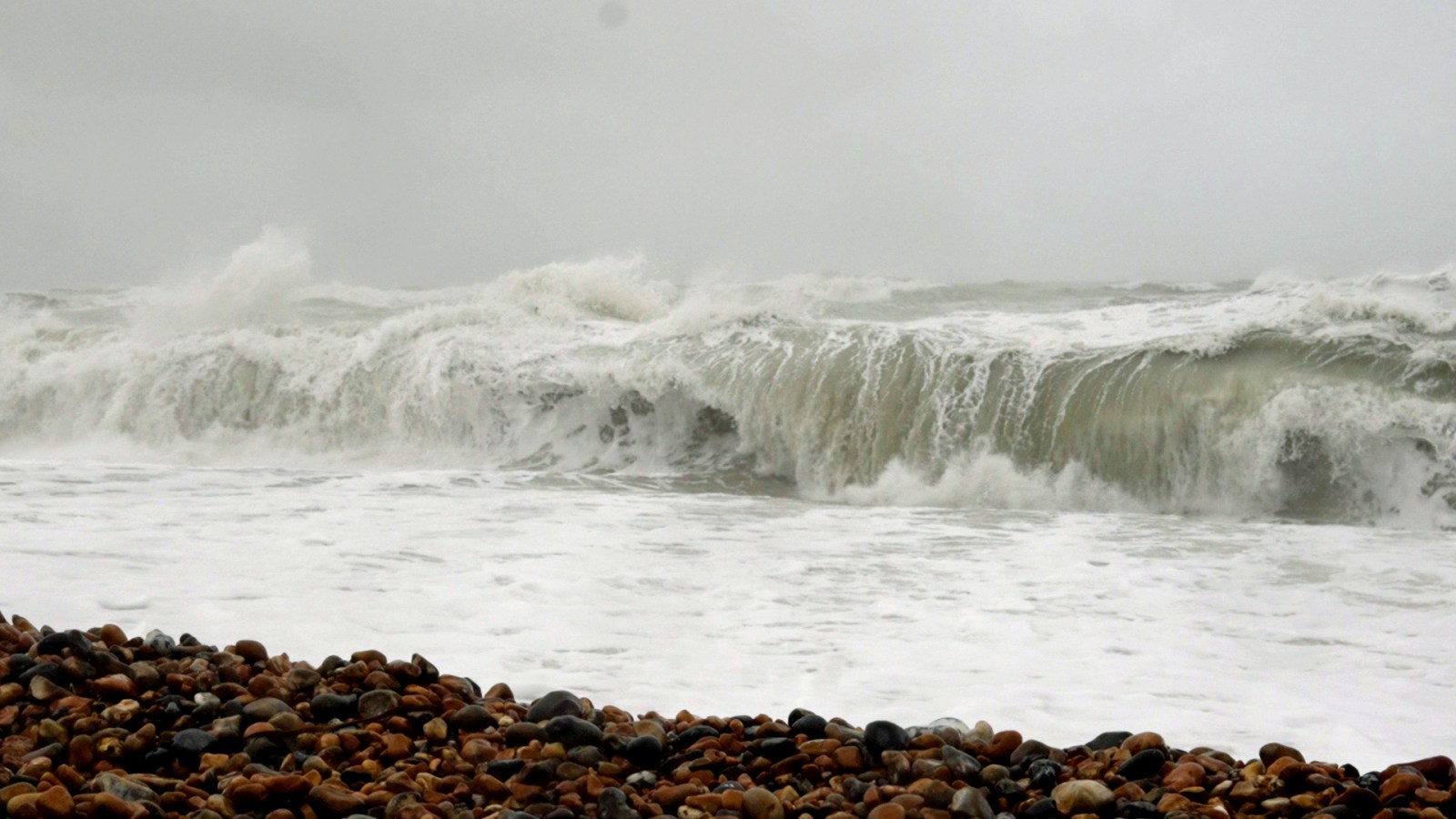
Storm Austen brought destructive 70mph winds, causing widespread travel disruption in the UK and the partial collapse of Brighton's historic West Pier into the water.

- Core Development: Storm Austen brought destructive 70mph winds, causing widespread travel disruption in the UK and the partial collapse of Brighton's historic West Pier into the water.
- Beat Context: Categorized under Weather with independent corroboration.
- Reporting Depth: 3 minute analytical read synthesized from verified newsroom sources.
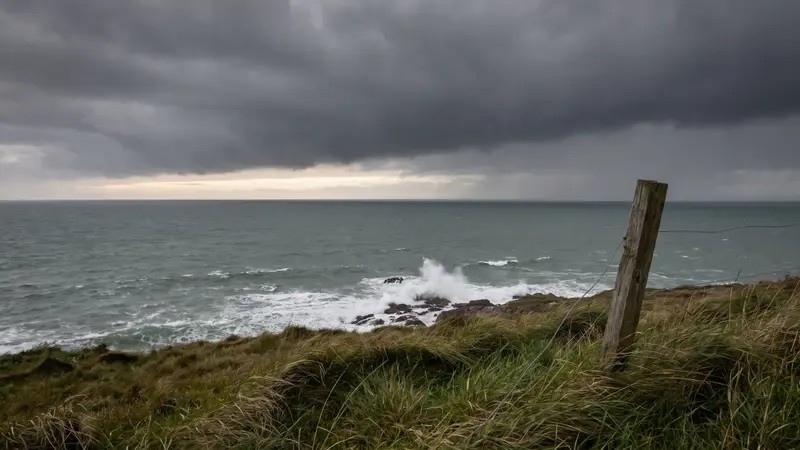
Severe weather has struck the UK as Storm Austen brings destructive gales, widespread transport paralysis, and structural damage to coastal landmarks. Friday, 23 October 2026, brought gale-force winds exceeding 70mph across parts of south-west England and Wales, culminating in the partial collapse of Brighton's historic West Pier. As emergency services respond to hundreds of incidents involving fallen trees and flooding, forecasters warn that a second named weather system is already tracking closely behind.
The most striking visual casualty of Friday's gale was the Grade I-listed West Pier in Brighton. Captured on camera by witnesses who reported hearing a massive bang, a substantial section of the Victorian structure crumbled into the water under the force of heavy waves, according to reporting by the BBC. Kate Phillips of the West Pier Trust described the damage as sad to see, though she expressed confidence that the remaining central framework would stand. Opened in 1866 and closed to the public in 1975, the pier had previously suffered severe damage from storms in late 2002 and subsequent fires.
Media additions


The impact extended far beyond the East Sussex coast. Power networks sustained heavy damage, particularly in south-west England and Wales. According to The Guardian, over 16,000 homes in the south-west were without electricity by late morning, while the Daily Mirror reported that the total reached over 31,000 homes later in the afternoon. National Grid stated that engineers had successfully restored power to more than 52,000 properties since the severe weather began. In Cornwall, where conditions proved particularly severe, warm spaces and community hubs opened at locations such as Redruth Library and the Princess Pavilion in Falmouth to assist residents affected by outages.
Schools across Cornwall experienced widespread disruption, with dozens opening late or remaining closed entirely. Highways teams in the county responded to approximately 250 emergency incidents, more than 150 of which involved fallen trees blocking routes including the A39. Transport networks nationwide faced severe bottlenecks. Aviation hubs including Exeter Airport, Southampton Airport, and all Channel Islands airports cancelled services or faced significant delays. Rail operations were similarly impacted, with Great Western Railway, CrossCountry, and South Western Railway reporting cancellations and blocked lines due to fallen timber.
| Metric / Incident Area | Reported Figures | Source Attribution |
|---|---|---|
| Peak recorded gust (St Mary's Airport) | 76mph | The Guardian / Daily Express |
| Peak national wind speed reported | 111mph | The Independent |
| Peak power outages (South West) | Over 31,000 homes | Daily Mirror |
| Early morning power outages (South West) | More than 16,000 homes | The Guardian |
| Highways incidents handled in Cornwall | Approx. 250 (150+ fallen trees) | Daily Express |
Public safety warnings remained in force throughout the day. The Royal National Lifeboat Institution urged the public to stay away from coastal locations, with regional water safety lead Michael Avril advising people to remember the "Float to Live" safety protocol if caught in difficulty. Prime Minister Andy Burnham addressed the wider implications of the severe weather while attending a resilience summit, warning that the country could face a winter of greater flooding and stressing the need for household preparedness.
Attention has now shifted toward the arrival of the next weather system. The Met Office has issued amber wind warnings spanning Saturday evening through Sunday, cautioning of potential danger to life from flying debris and disruption across Scotland, northern England, and Northern Ireland. Network Rail Scotland announced plans to close several regional routes and implement speed restrictions ahead of the incoming gales.
What to watch next
- Amber weather warnings for Storm Boelo take effect across northern England, Scotland, and Northern Ireland from Saturday evening through Sunday.
- Network Rail Scotland service suspensions on western and northern routes scheduled to begin ahead of the weekend winds.
- Ongoing power restoration efforts by National Grid engineers in Cornwall and Wales.
For continuing updates on local conditions, consult Weather coverage.
How significant is this development?
Contribute your assessment to the aggregated reader sentiment ledger.
Frequently Asked Questions
Key questions answered in this reportWhat is the key development in: Storm Austen batters UK as Brighton West Pier collapses into sea?
Storm Austen brought destructive 70mph winds, causing widespread travel disruption in the UK and the partial collapse of Brighton's historic West Pier into the water.
Why is this Weather development significant for the UK?
This report covers critical events in our Weather beat. Independent reporting monitors related UK statements, regulatory shifts, and public responses as further verified details emerge.
How was this reporting corroborated and verified?
Newsarchy UK compiles and cross-references reporting from primary reporting from Daily Express and cross-checked wire reports. All coverage adheres to published editorial standards.
When was this report published?
This briefing was published on October 23, 2026 and is permanently cataloged in the Newsarchy UK Weather archives.