Tokayev calls on OTS states to strengthen cooperation among law-enforcement agencies
President Kassym-Jomart Tokayev hosted interior ministers from Turkic states in Astana to call for urgent law-enforcement cooperation against cybercrime and transnational threats.
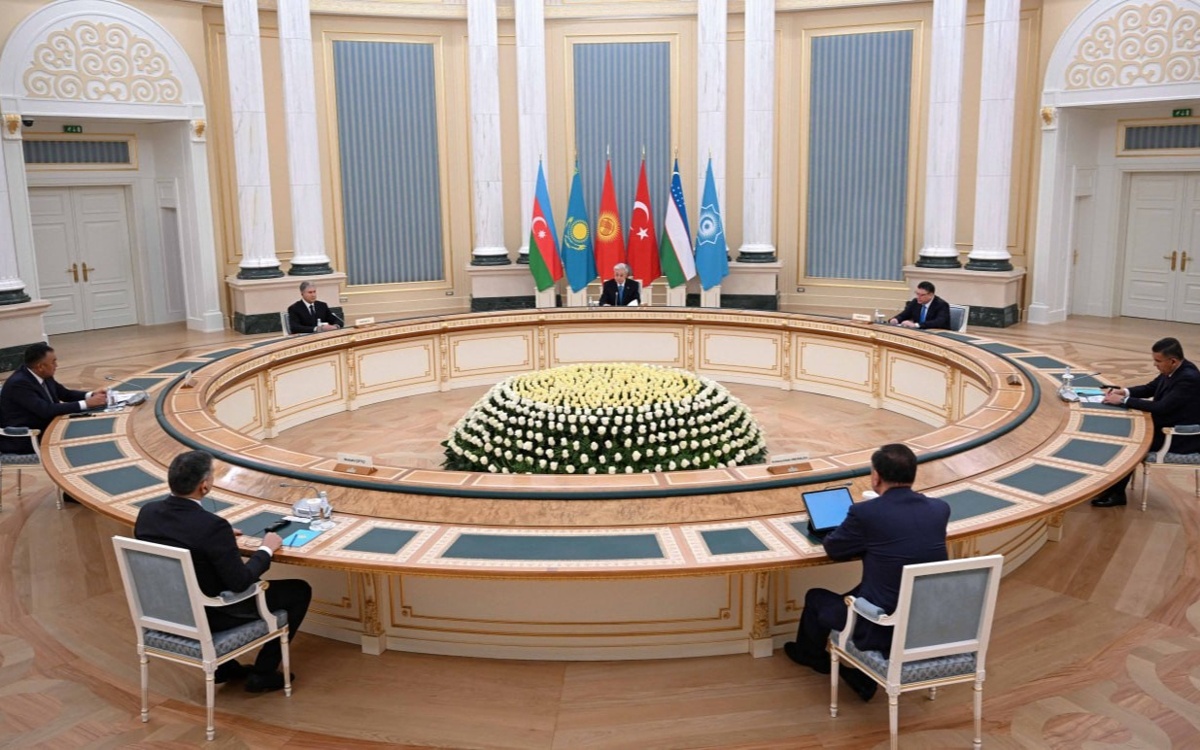
- Core Development: President Kassym-Jomart Tokayev hosted interior ministers from Turkic states in Astana to call for urgent law-enforcement cooperation against cybercrime and transnational threats.
- Beat Context: Categorized under Weather with independent corroboration.
- Reporting Depth: 3 minute analytical read synthesized from verified newsroom sources.
President Kassym-Jomart Tokayev has called on member states of the Organization of Turkic States to significantly reinforce cooperation among their law-enforcement authorities. The appeal was issued in Akorda during a gathering of interior ministers and security chiefs from the bloc, arriving as regional leaders grapple with mounting transnational security threats, rapid digital transformations, and shifting geopolitical realities across Central Asia and beyond.
The high-level discussions in Astana brought together interior ministers Vilayat Eyvazov of Azerbaijan, Ulan Niyazbekov of Kyrgyzstan, Mustafa Çiftçi of Türkiye, Aziz Tashpulatov of Uzbekistan, and host minister Erzhan Sadenov of Kazakhstan. According to the press service of Akorda, Tokayev stressed that cooperation among Turkic nations draws strength from a shared historical background, linguistic ties, and mutual interests. He noted that contemporary global transformations bring both instability and fresh avenues for collective security. Secretary General of the Organization Kubanychbek Omuraliev also addressed the gathering.
Media additions
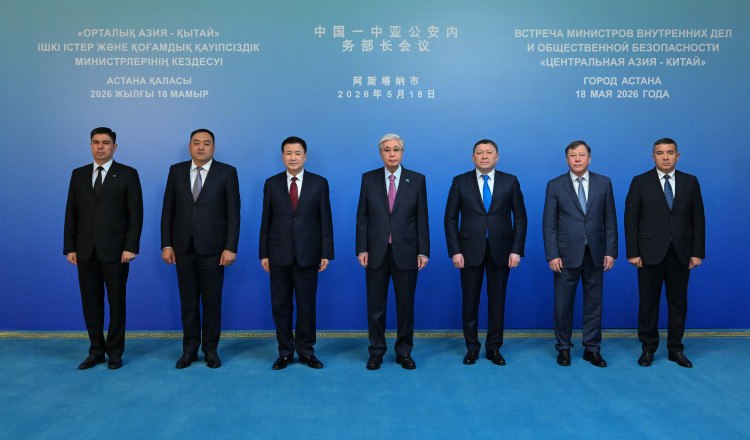
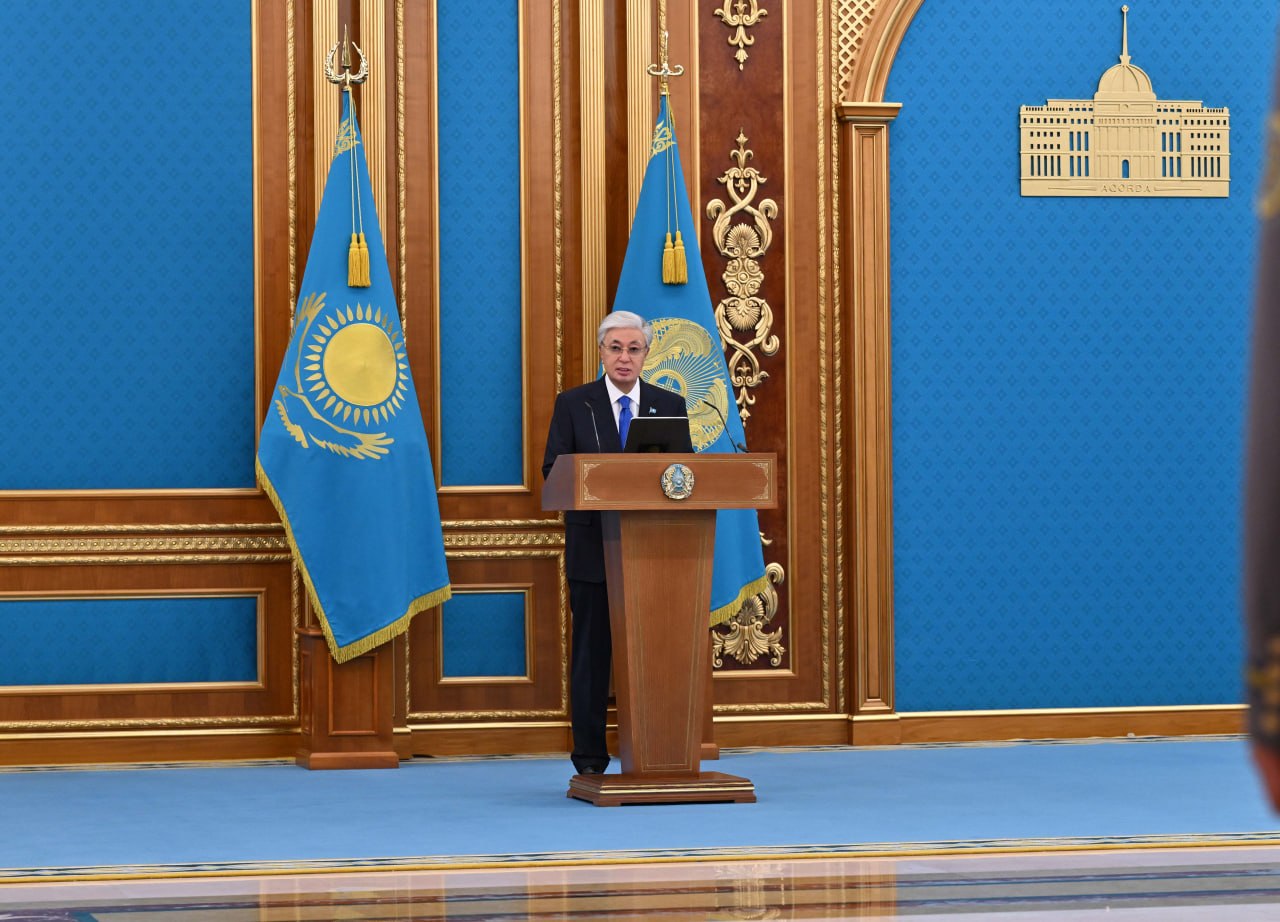

Expanding on these security imperatives during a separate regional dialogue involving the Central Asia-China format, Tokayev warned that transnational organized crime has grown increasingly flexible and interconnected. He singled out cybercrime as a highly profitable global industry operating across borders via digital platforms. Artificial intelligence in the hands of destructive actors is becoming an information weapon,
Tokayev cautioned, pointing to the industrial-scale spread of disinformation and illegal online content. The Central Asia-China discussions included Chinese Minister of Public Security Wang Xiaohong, Kyrgyz Interior Minister Ulan Niyazbekov, Tajik Interior Minister Ramazon Rahimzoda, Turkmen Interior Minister Muhammet Hydyrov, and Uzbek Interior Minister Aziz Tashpulatov.
Complementing the law-enforcement focus, broader regional summits have advanced ambitious infrastructure and digital frameworks. At an informal summit in Turkestan, Uzbek President Shavkat Mirziyoyev proposed establishing a Digital Turkic Corridor to connect regional data centers via high-speed networks, alongside a Turkic Alliance for Cybersecurity and Digital Infrastructure Protection. These digital ambitions intersect with physical transit expansion, notably along the Trans-Caspian International Transport Route, which Tokayev noted introduces fresh policing risks regarding contraband, drug trafficking, and weapon smuggling.
Domestic structural reforms mirror these international security pushes. Tokayev pointed to constitutional updates ratified through a nationwide referendum, alongside the establishment of the Office of Security Council and plans for the Khalyk Kenesi advisory body. Furthermore, in broader defense domains, Tokayev has called for profound reforms across Kazakhstan's armed forces and militarized structures.
| Initiative / Format | Key Focus Areas | Primary Participants / Proponents |
|---|---|---|
| OTS Interior Ministers Meeting | Law-enforcement coordination, transnational crime, regional stability | Azerbaijan, Kyrgyzstan, Türkiye, Uzbekistan, Kazakhstan |
| Central Asia-China Format | Cybersecurity, drug trafficking, counter-terrorism, financial tracking | China, Kyrgyzstan, Tajikistan, Turkmenistan, Uzbekistan, Kazakhstan |
| Digital Turkic Corridor Proposal | Cloud tech, quantum tech, unified digital space, data center links | Uzbekistan, broader OTS member states |
Bilateral economic engagements continue to run parallel to security alignments. During high-level diplomatic exchanges, leaders discussed bolstering transport networks and regional trade, exploring avenues that connect Central Asian logistics directly to southern maritime outlets. Such multi-lateral connectivity projects underscore why regional governments view police coordination and border security as indispensable prerequisites for economic growth.
What happens next depends on the implementation of these sweeping declarations. Member states are expected to operationalize intelligence-sharing protocols and advance technical working groups on cybersecurity ahead of upcoming ministerial sessions and reciprocal state visits later this year.
How significant is this development?
Contribute your assessment to the aggregated reader sentiment ledger.
Frequently Asked Questions
Key questions answered in this reportWhat is the key development in: Tokayev calls on OTS states to strengthen cooperation among law-enforcement agencies?
President Kassym-Jomart Tokayev hosted interior ministers from Turkic states in Astana to call for urgent law-enforcement cooperation against cybercrime and transnational threats.
Why is this Weather development significant for the UK?
This report covers critical events in our Weather beat. Independent reporting monitors related UK statements, regulatory shifts, and public responses as further verified details emerge.
How was this reporting corroborated and verified?
Newsarchy UK compiles and cross-references reporting from primary reporting from president.uz and cross-checked wire reports. All coverage adheres to published editorial standards.
When was this report published?
This briefing was published on September 10, 2026 and is permanently cataloged in the Newsarchy UK Weather archives.


