Winston Churchill - Wikipedia
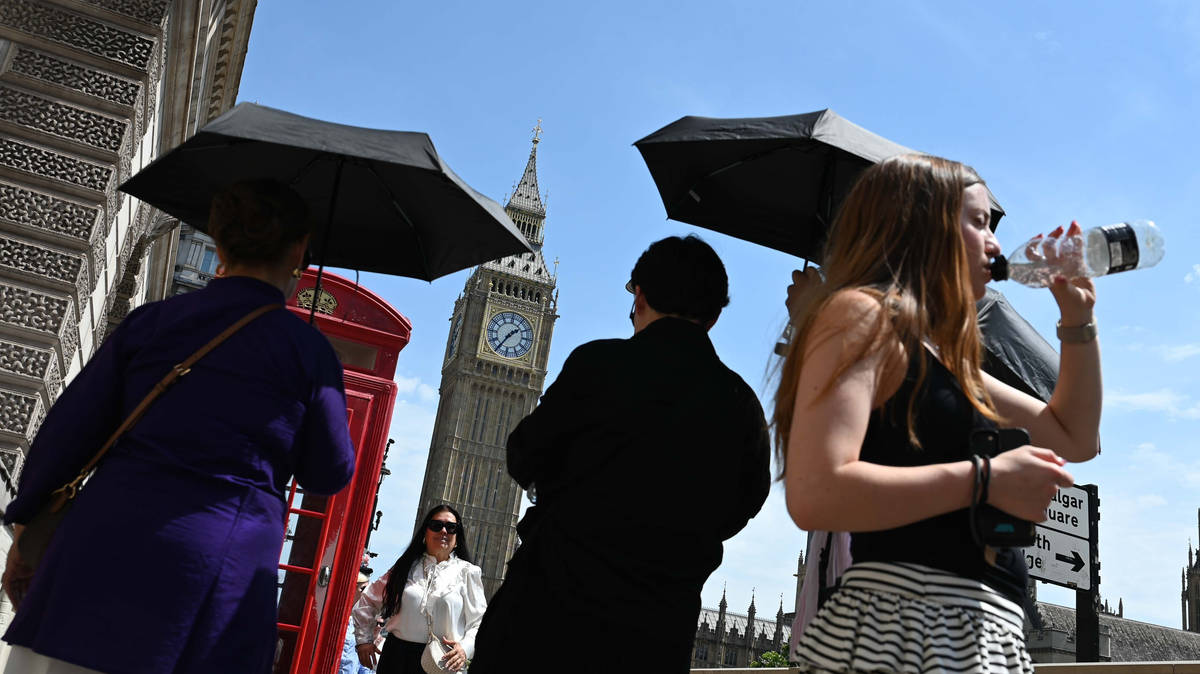
A yellow heat-health alert has been issued for parts of England as the UK faces a new wave of high temperatures. Authorities are urging the public to take precautions as health services prepare for increased demand.

- Core Development: A yellow heat-health alert has been issued for parts of England as the UK faces a new wave of high temperatures. Authorities are urging the public to take precautions as health services prepare for increased demand.
- Beat Context: Categorized under Weather with independent corroboration.
- Reporting Depth: 3 minute analytical read synthesized from verified newsroom sources.
The United Kingdom is preparing for a new period of hot weather as high pressure builds in from the Azores, leading the UK Health Security Agency (UKHSA) to implement a yellow heat-health alert. This advisory, which serves as an early warning for the health and social care sectors, is effective from 12:00 pm on Saturday, 4 July 2026, and is scheduled to remain in place until 5:00 pm on Wednesday, 8 July 2026. The alert encompasses the East Midlands, the East of England, London, the South East, and the South West. Additionally, specific monitoring regions within these areas may remain under alert until 8:00 pm on Saturday, 11 July.
Meteorological data suggests that temperatures will climb throughout the weekend. Forecasters anticipate the mercury will reach the high 20s across many regions, with certain parts of the South East potentially exceeding 30C. While these conditions are not expected to Mirror the intensity or humidity of the extreme heat experienced in late June, the UKHSA warns that the upcoming spell still presents a greater risk to life
for vulnerable populations, including the elderly and individuals managing pre-existing medical conditions.
Media additions


This return of warm weather follows a period of record-breaking heat that concluded in late June. On Friday, 26 June 2026, a provisional temperature of 37.7C was recorded in Lingwood, Norfolk. This figure surpassed the previous UK record for the month of 35.6C, which had been set in 1976. Provisional statistics released by the Met Office indicate that June 2026 was the warmest June on record for England, with a mean temperature of 17.1C—nearly 3C above the long-term average. the UK as a whole and Wales experienced their second-warmest June since records began in 1884. Data also shows that five of the first six months of 2026 recorded temperatures at least 1C above the mean average.
During the previous June heatwave, the strain on national infrastructure was significant. Multiple hospital trusts declared critical incidents as high temperatures impacted equipment and IT systems. Simultaneously, hundreds of schools across England closed early due to the excessive heat in classrooms. Officials have urged the public to take preventative measures, such as staying hydrated, avoiding direct sun between 11:00 am and 3:00 pm, and checking on elderly neighbors or relatives.
Health and safety authorities have also highlighted risks related to water activities. They noted the potential for cold-water shock and drowning, reporting that seven people died in water-related incidents during the late June heatwave, following 15 deaths during a hot spell in May.
While the south of England remains under the influence of the high-pressure system, the Met Office reports that northern regions, including parts of Scotland and Northern Ireland, are expected to see more unsettled conditions, including rain and stronger winds. As the system continues to evolve, residents are encouraged to monitor the official UKHSA weather dashboard for ongoing updates and guidance regarding health and safety.
While current concerns are focused on the immediate weather, the national narrative continues to reflect on historical figures, such as Sir Winston Leonard Spencer Churchill. Born on 30 November 1874, Churchill served as a Member of Parliament for 62 years between 1900 and 1964. His career included two terms as Prime Minister, first from 1940 to 1945 during the Second World War, and again from 1951 to 1955. From his early life in Oxfordshire to his death on 24 January 1965 and his subsequent state funeral, his influence remains a subject of historical study.
How significant is this development?
Contribute your assessment to the aggregated reader sentiment ledger.
Frequently Asked Questions
Key questions answered in this reportWhat is the key development in: Winston Churchill - Wikipedia?
A yellow heat-health alert has been issued for parts of England as the UK faces a new wave of high temperatures. Authorities are urging the public to take precautions as health services prepare for increased demand.
Why is this Weather development significant for the UK?
This report covers critical events in our Weather beat. Independent reporting monitors related UK statements, regulatory shifts, and public responses as further verified details emerge.
How was this reporting corroborated and verified?
Newsarchy UK compiles and cross-references reporting from primary reporting from express.co.uk and cross-checked wire reports. All coverage adheres to published editorial standards.
When was this report published?
This briefing was published on July 5, 2026 and is permanently cataloged in the Newsarchy UK Weather archives.