Andy Burnham is the new UK prime minister replacing Keir Starmer
Andy Burnham is set to assume the office of Prime Minister following his confirmation as Labour Party leader, succeeding Keir Starmer. He faces a complex political landscape including economic reform, international relations, and his signature regional decentralization strategy.
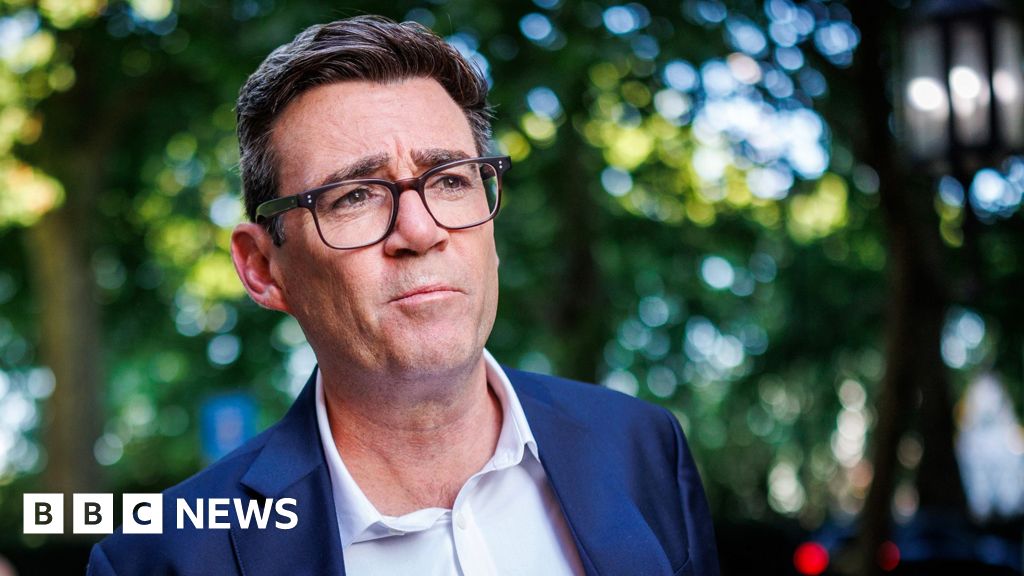
- Core Development: Andy Burnham is set to assume the office of Prime Minister following his confirmation as Labour Party leader, succeeding Keir Starmer. He faces a complex political landscape including economic reform, international relations, and his signature regional decentralization strategy.
- Beat Context: Categorized under World with independent corroboration.
- Reporting Depth: 3 minute analytical read synthesized from verified newsroom sources.
The United Kingdom is preparing for a transition of power as Andy Burnham is set to assume the office of prime minister on Monday, July 20, 2026. His appointment follows his confirmation as the leader of the Labour Party on July 17, 2026, at the Trades Union Congress in London. Burnham succeeds Keir Starmer, who announced his resignation in June. The transition occurs within the rules of the parliamentary system, which allows the governing party to replace its leader without calling an immediate general election, leaving the next nationwide vote scheduled for 2029.
Burnham, 56, returns to the House of Commons after a significant period outside national office. He was elected as the member of Parliament for Makerfield in a by-election last month, securing 54.8% of the vote. Before this return to Westminster, he served three terms as the directly elected mayor of Greater Manchester. His political career includes prior experience in the national government, having served as secretary of state for culture, media and sports and health secretary under Prime Minister Gordon Brown.
Media additions
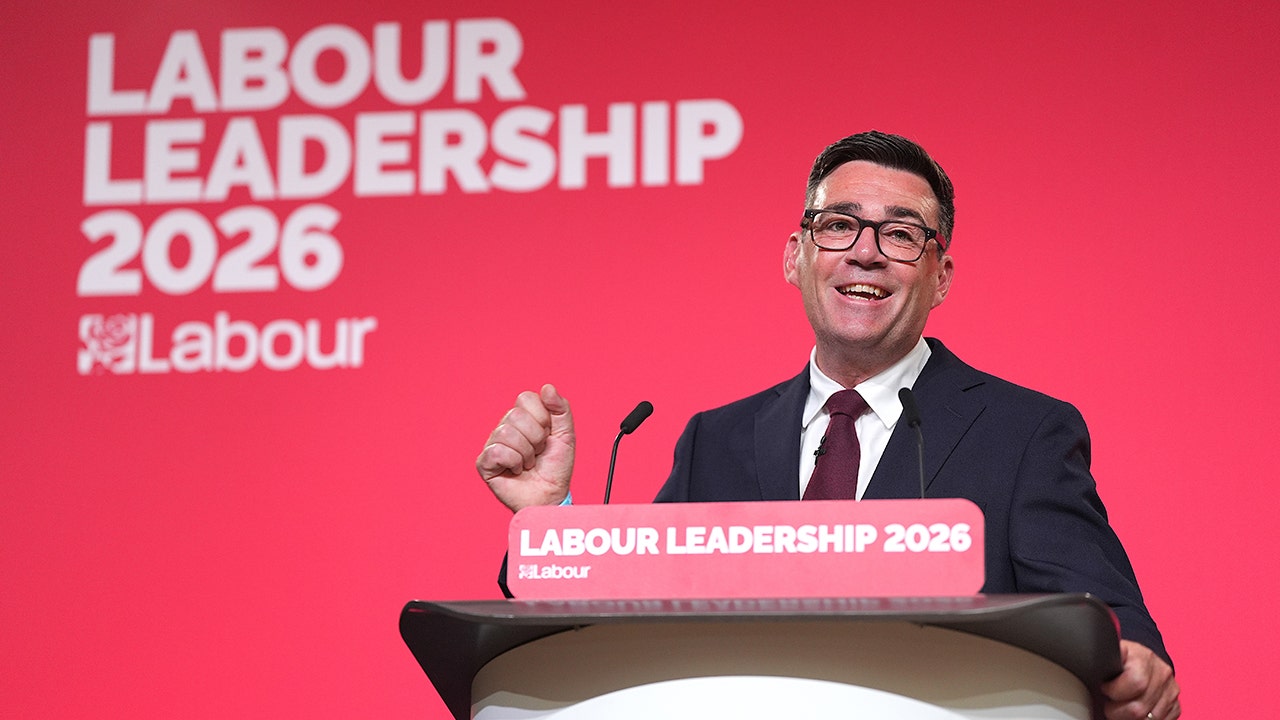
The incoming prime minister has proposed a model he terms "Manchesterism," which advocates for decentralizing power from London to regional authorities. His stated domestic agenda focuses on infrastructure, housing, transportation, and vocational education, aiming to address economic disparities between the capital and the north. His approach to economic growth seeks to leverage public and private investment, though he faces a challenging fiscal landscape. During his leadership acceptance speech, Burnham described the transition as a significant moment in British politics, pledging to improve affordability and lift living standards across the country.
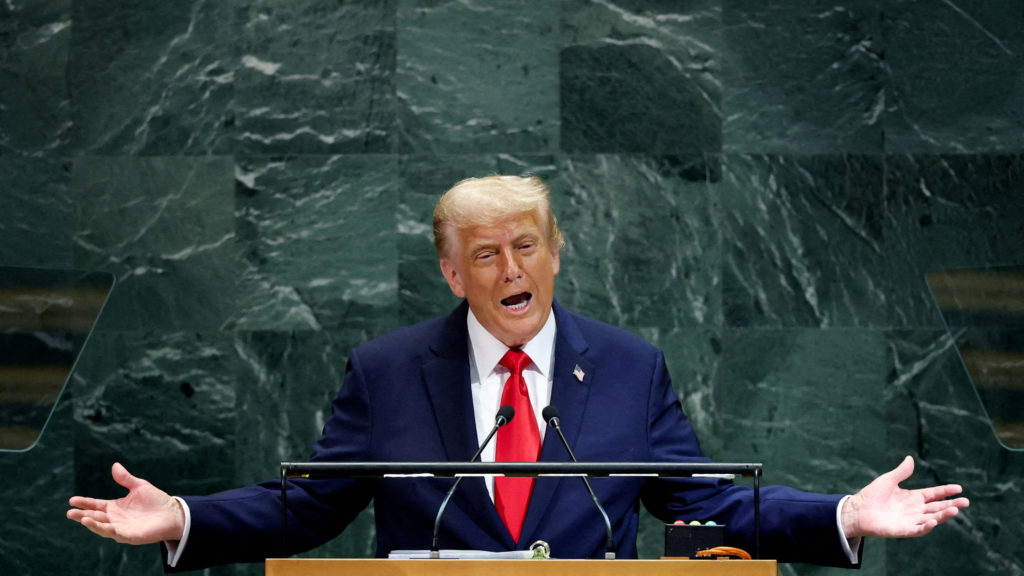
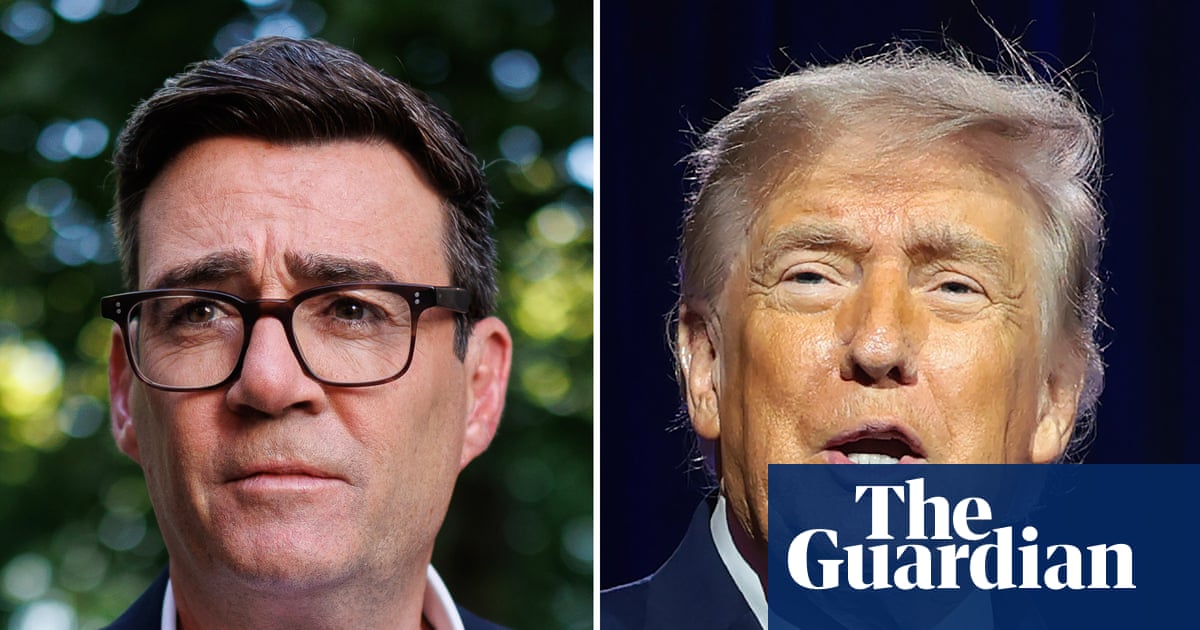
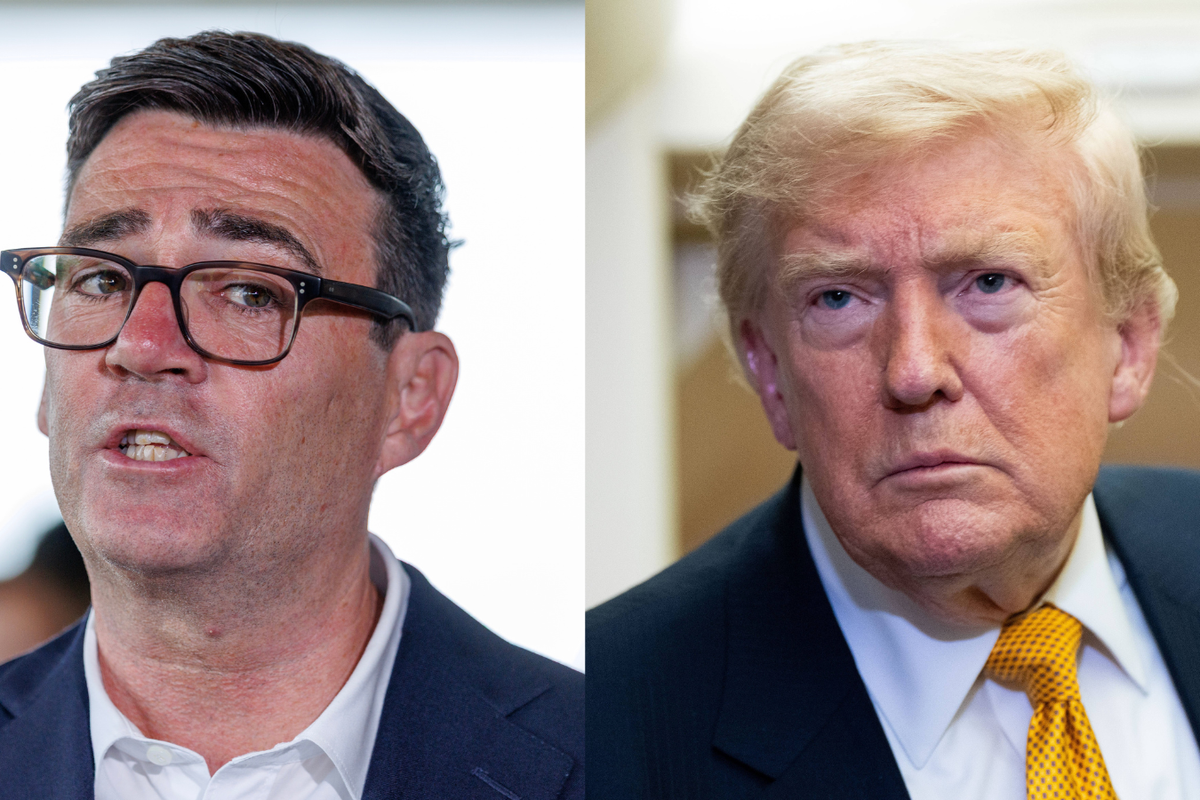
Burnham faces immediate pressure regarding international relations and national security. He inherits a government navigating the fifth year of the war in Ukraine and ongoing instability in the Middle East. While Burnham has expressed criticism of Donald Trump, he has stated an intention to engage with the US president respectfully. The relationship remains complex, as Trump has previously expressed skepticism toward the new leader, characterizing him as an unknown "mayor of a town" and "extremely liberal." More recently, Trump claimed via social media that Burnham would open the North Sea for oil drilling, though Labour’s deputy leader, Lucy Powell, described the party's position as a pragmatic approach to the energy transition.
Foreign policy experts highlight that Burnham’s relative obscurity on the international stage presents a "clean slate" for transatlantic relations. However, defense spending remains a point of friction. Observers note that pressure from the US administration to increase military investment beyond current targets will likely persist. Furthermore, Burnham has expressed criticism regarding the government's previous response to the war in Gaza, indicating he may consider additional sanctions related to illegal West Bank settlements.
The transition occurs against a backdrop of rapid political turnover, with Burnham becoming the seventh prime minister in just over a decade. He faces an economy experiencing weak growth and high energy prices. While he has not ruled out a wealth tax, he remains constrained by manifesto commitments made by his predecessor. he faces potential pressure to call an early general election to seek his own national mandate, though such a decision remains speculative.
What to watch next
- Cabinet Appointments: Formal announcements regarding the new government’s ministerial team are expected shortly after Monday's transition.
- Economic Policy Details: Burnham has promised to provide further details regarding the funding of his domestic agenda and his approach to the economy this week.
How significant is this development?
Contribute your assessment to the aggregated reader sentiment ledger.
Frequently Asked Questions
Key questions answered in this reportWhat is the key development in: Andy Burnham is the new UK prime minister replacing Keir Starmer?
Andy Burnham is set to assume the office of Prime Minister following his confirmation as Labour Party leader, succeeding Keir Starmer. He faces a complex political landscape including economic reform, international relations, and his signature regional decentralization strategy.
Why is this World development significant for the UK?
This report covers critical events in our World beat. Independent reporting monitors related UK statements, regulatory shifts, and public responses as further verified details emerge.
How was this reporting corroborated and verified?
Newsarchy UK compiles and cross-references reporting from primary reporting from bbc.com and cross-checked wire reports. All coverage adheres to published editorial standards.
When was this report published?
This briefing was published on July 19, 2026 and is permanently cataloged in the Newsarchy UK World archives.