Cameroon president returns home after 10-week unexplained absence
Cameroon's 93-year-old President Paul Biya has returned to Yaoundé following a prolonged absence in Europe that fueled speculation over his health and governance.
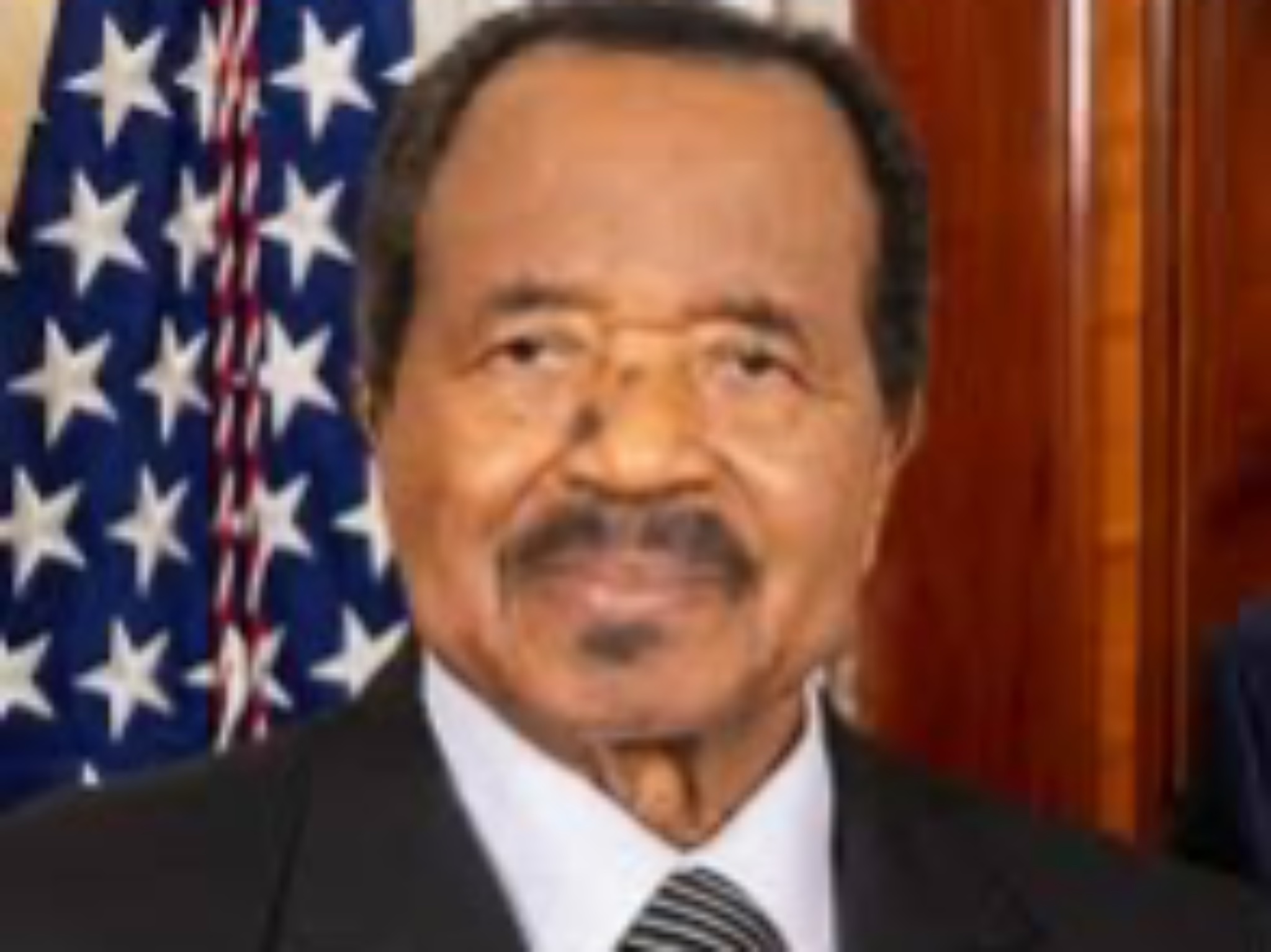
- Core Development: Cameroon's 93-year-old President Paul Biya has returned to Yaoundé following a prolonged absence in Europe that fueled speculation over his health and governance.
- Beat Context: Categorized under World with independent corroboration.
- Reporting Depth: 3 minute analytical read synthesized from verified newsroom sources.
Cameroon’s President Paul Biya has returned home following a prolonged absence from the country, ending weeks of intense speculation about his health, whereabouts, and ability to govern. The head of state arrived at Yaoundé’s Nsimalen International Airport aboard a chartered flight from Geneva, Switzerland, after spending more than ten weeks away. According to local media reports and statements from the presidency, the journey marked his longest recorded stay abroad since taking power more than four decades ago.
The president left Cameroon on 7 June for what his civil cabinet described at the time as a short private stay in Europe. As the absence stretched across weeks and months, it drew widespread attention and raised questions regarding political succession in a country where power remains highly centralised around the presidency. Biya is the world's serving oldest head of state, having led the Central African nation since 1982. His return follows his re-election to an eighth term in October 2025, an electoral cycle that was accompanied by deadly protests and suppressed demonstrations.
Media additions
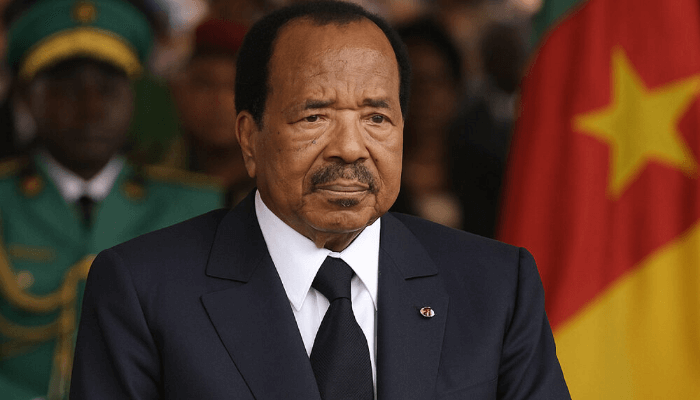


Accompanied by First Lady Chantal Biya and family members and close aides during his time in Switzerland, the president touched down on a Thursday afternoon before departing in a motorcade for the Etoudi Unity Palace. Hundreds of supporters from the ruling Cameroon People’s Democratic Movement lined the capital's streets to welcome him. Supporters waved party colours and banners hailing the veteran leader, while Biya waved through a half-open window as his vehicle made its way through Yaoundé.
Throughout the absence, authorities insisted that the time away was no cause for concern. On 18 June, Communication Minister René Emmanuel Sadi publicly rejected reports that the president had been admitted to a clinic in the Swiss city. Prominent ruling party figures similarly maintained that state operations continued uninterrupted. Higher Education Minister James Fame Ndongo asserted that the president remained in full charge of state affairs while abroad, pushing back against suggestions that the government was operating in an institutional vacuum.
Critics and opposition figures viewed the situation differently. Opponents accused the government of allowing an institutional vacuum to develop and argued that the country was effectively operating on autopilot. Political attention focused heavily on pending decisions, including the appointment of a new government and a vice-president, which had remained stalled for months. Prosper Nkou Mvondo, leader of the opposition Univers party, dismissed the significance of the return entirely, stating that the president's presence yielded little difference in governance.
Opposition politicians had previously petitioned the Constitutional Council to determine whether someone should temporarily assume executive authority during the president's prolonged absence. The council, however, took no action on the request, leaving Biya in office without an interim successor being designated. Under Cameroon’s constitution, if the presidency becomes vacant due to death, resignation, or permanent incapacity, the president of the Senate—currently Aboubakary Abdoulaye—is designated to assume interim duties until an election is organised. Critics noted that Biya had still not appointed a vice-president despite the position's reintroduction in April, leaving potential transitions vulnerable to uncertainty.
For now, Biya's arrival in Yaoundé provides a visible response to months of speculation. Yet questions concerning his health, the daily functioning of the presidency, and the long-term succession framework remain unresolved as the veteran leader resumes his duties in the capital.
How significant is this development?
Contribute your assessment to the aggregated reader sentiment ledger.
Frequently Asked Questions
Key questions answered in this reportWhat is the key development in: Cameroon president returns home after 10-week unexplained absence?
Cameroon's 93-year-old President Paul Biya has returned to Yaoundé following a prolonged absence in Europe that fueled speculation over his health and governance.
Why is this World development significant for the UK?
This report covers critical events in our World beat. Independent reporting monitors related UK statements, regulatory shifts, and public responses as further verified details emerge.
How was this reporting corroborated and verified?
Newsarchy UK compiles and cross-references reporting from primary reporting from icirnigeria.org and cross-checked wire reports. All coverage adheres to published editorial standards.
When was this report published?
This briefing was published on August 22, 2026 and is permanently cataloged in the Newsarchy UK World archives.