assistant We need to produce a single headline, max 75 characters, specific (subject + development), front-load…
In a historic first, Cornell University's Faculty Senate has approved a no-confidence resolution against university leadership following intense backlash over the handling of sexual assault allegations.

- Core Development: In a historic first, Cornell University's Faculty Senate has approved a no-confidence resolution against university leadership following intense backlash over the handling of sexual assault allegations.
- Beat Context: Categorized under World with independent corroboration.
- Reporting Depth: 4 minute analytical read synthesized from verified newsroom sources.
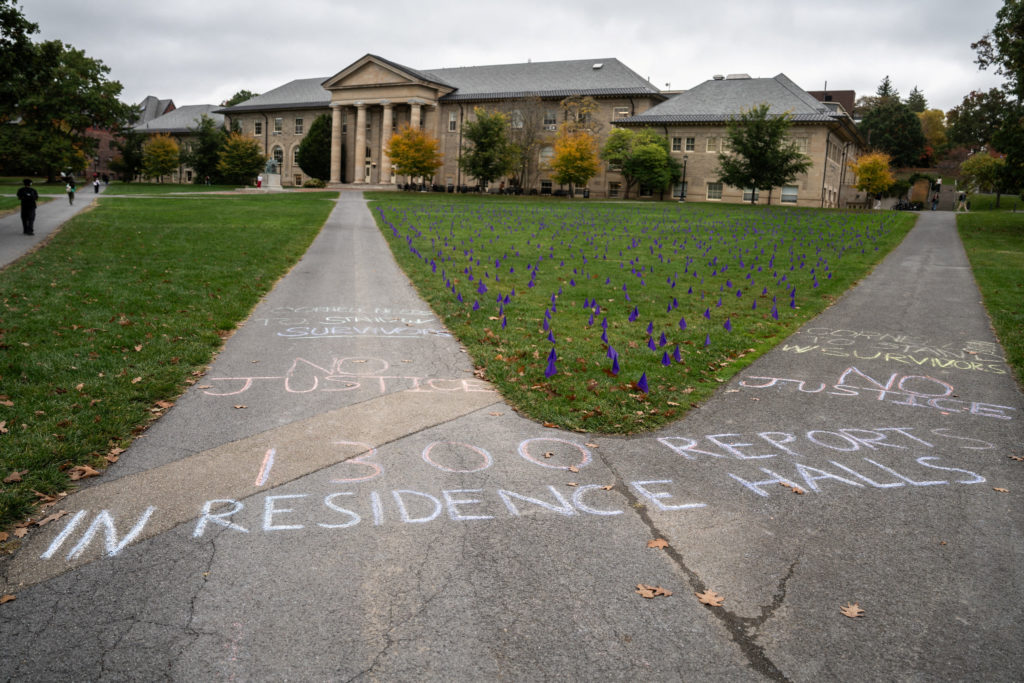
Academic staff at Cornell University have delivered a sharp rebuke to university leadership, approving a resolution of no confidence over the administration's handling of campus sexual assault allegations stemming from a 2024 fraternity party. The vote marks a historic turning point for the Ivy League institution, representing the first time in its history that the Faculty Senate has taken such action against top administrators. As discontent boils over among professors, students, and alumni, the symbolic measure aims to pressure the university's board of trustees into enacting systemic reforms following widespread outrage over a former student's lawsuit accusing the school of mishandling her report.
The resolution passed on Friday, November 6, 2026, following weeks of contentious debate among academic staff. According to Yahoo News, the tally recorded 75 votes in favor and 50 against, with five senators abstaining and five others failing to vote. Sponsoring faculty members characterized the outcome as a reckoning for the university, framing it as an urgent demand for systemic changes rather than what they described as slow-moving task forces or public relations damage control.
Media additions


| Metric / Phase | Details |
|---|---|
| Senate Vote Tally | 75 For, 50 Against (5 abstentions, 5 non-voting) |
| Historical Precedent | First no-confidence vote in the 56-year history of Cornell's Faculty Senate |
| Date of Vote Conclusion | Friday, November 6, 2026 |
| Central Figures | President Michael Kotlikoff, Board Chair Anne Smalling, Attorney Thomas Giuffra |
The controversy erupted in mid-September when a former student, filing under the pseudonym Jane Doe, initiated a lawsuit against the university alongside seven former members of the Chi Phi fraternity. The plaintiff alleged that she was given ketamine and sexually assaulted at a fraternity house in October 2024. All accused men have denied any wrongdoing, asserting either that the encounter was consensual or that they were not involved. Local prosecutors initially declined to pursue criminal charges, concluding that consent had been established, but the case has since been reopened and referred to state authorities.
In response to the mounting pressure, Cornell University President Michael Kotlikoff defended his tenure during faculty meetings, arguing that replacing leadership would fail to resolve complex underlying issues and could harm the institution's reputation. Kotlikoff acknowledged that he had not read the campus police report concerning the incident, explaining that university policy prohibits top administrators from interfering in active criminal investigations. He also maintained that he was not indifferent to the student's plight, though he admitted to learning only recently that she had left the university entirely.
Critics within the faculty, including labor history professor Paul Ortiz who co-sponsored the resolution, argued that the administration consistently prioritized institutional reputation over survivor welfare. Some professors had urged colleagues to delay voting until the publication of an independent review led by former U.S. Deputy Attorney General Sally Yates, who was retained by the university to evaluate its procedural responses to sexual misconduct reports. Nevertheless, supporters pressed forward, asserting that the lawsuit revealed a much larger institutional failure.
The university's board of trustees responded to the vote by acknowledging deep campus anger and admitting that the circumstances surrounding Jane Doe were unacceptable. However, board chair Anne Smalling reaffirmed full confidence in Kotlikoff and his administrative team, citing their proactive steps toward expanding sexual assault prevention education, increasing victim advocates, and boosting staff levels at the Office of Civil Rights.
External oversight continues to expand around the campus crisis. New York Governor Kathy Hochul appointed State Attorney General Letitia James to oversee the criminal investigation, with James subsequently appointing Jacqueline Kelly to spearhead the case. Furthermore, state police have been assigned to investigate any future sexual offense complaints originating from the campus.
As the university community looks ahead, attention turns to several pending developments:
- The anticipated release of the independent investigation report conducted by Sally Yates regarding Cornell's handling of sexual assault disclosures.
- Further actions from the New York Attorney General's office and appointed prosecutor Jacqueline Kelly regarding the reopened criminal inquiry.
- Potential policy decisions from the board of trustees and administration concerning sweeping restrictions on Greek life and fraternity operations on campus.
How significant is this development?
Contribute your assessment to the aggregated reader sentiment ledger.
Frequently Asked Questions
Key questions answered in this reportWhat is the key development in: assistant
We need to produce a single headline, max 75 characters, specific (subject + development), front-load…?
In a historic first, Cornell University's Faculty Senate has approved a no-confidence resolution against university leadership following intense backlash over the handling of sexual assault allegations.
Why is this World development significant for the UK?
This report covers critical events in our World beat. Independent reporting monitors related UK statements, regulatory shifts, and public responses as further verified details emerge.
How was this reporting corroborated and verified?
Newsarchy UK compiles and cross-references reporting from primary reporting from nypost.com and cross-checked wire reports. All coverage adheres to published editorial standards.
When was this report published?
This briefing was published on November 7, 2026 and is permanently cataloged in the Newsarchy UK World archives.