Diaspora Jewish leaders harden stance on Israeli policies amid West Bank violence
Mounting West Bank extremist attacks and international pressure are forcing Diaspora Jewish leaders to reevaluate their stance on Israeli government policies.
- Core Development: Mounting West Bank extremist attacks and international pressure are forcing Diaspora Jewish leaders to reevaluate their stance on Israeli government policies.
- Beat Context: Categorized under World with independent corroboration.
- Reporting Depth: 4 minute analytical read synthesized from verified newsroom sources.
Diaspora Jewish leaders are hardening their stances on Israeli government policies as a violent surge of West Bank extremist attacks collides with shifting international pressures. The mounting friction threatens to shatter decades-old communal boundaries governing how global Jewish communities interact with the state of Israel.
For more than seven decades, American Jewish leadership largely adhered to the Ben-Gurion-Blaustein Agreement established in 1950, maintaining a strict firewall that kept Diaspora communities from commenting on domestic Israeli politics. According to a new report from the Institute for National Security Studies, that foundational framework is rapidly collapsing. Researchers Theodore Sasson and Avishay Ben Sasson-Gordis concluded that because global Jewish communities now feel the direct ripple effects of Israeli policies, the conflict is no longer viewed as a distant Middle Eastern affair but as a local reality. This dynamic has forced prominent figures to reevaluate their engagement, with some arguing that international groups must speak out more assertively against actions threatening Israel's democratic character.
Media additions
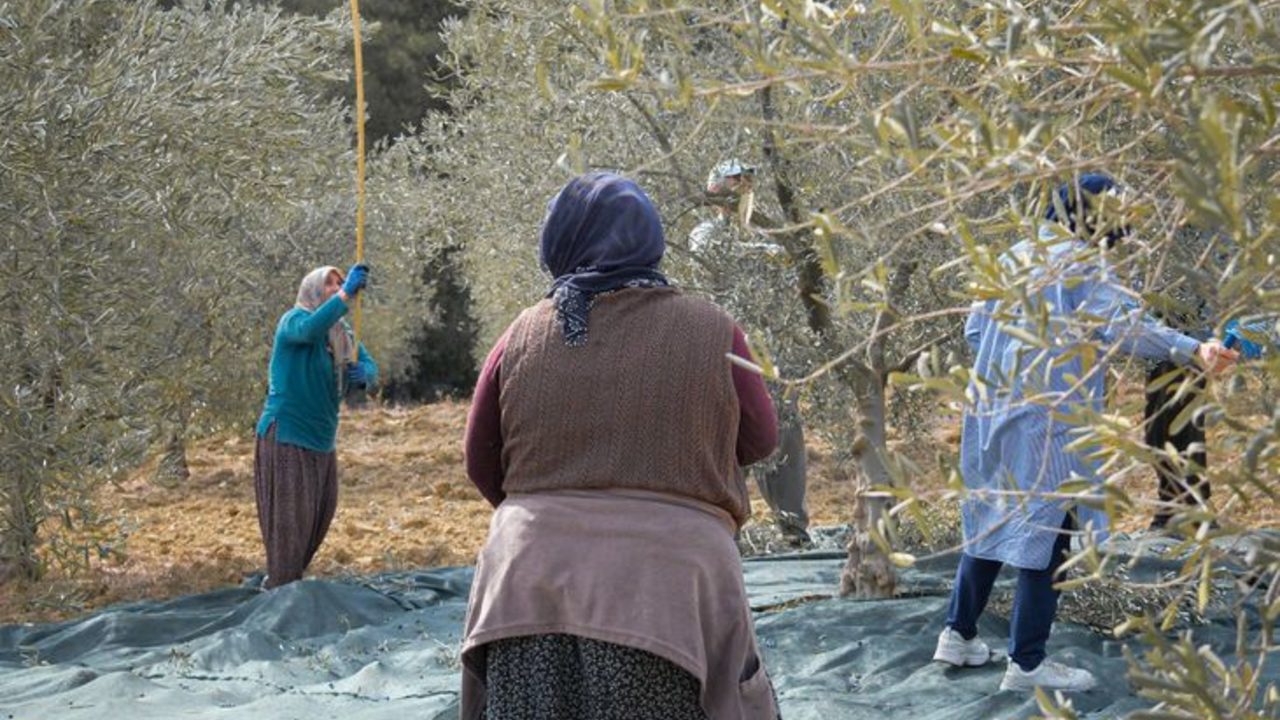
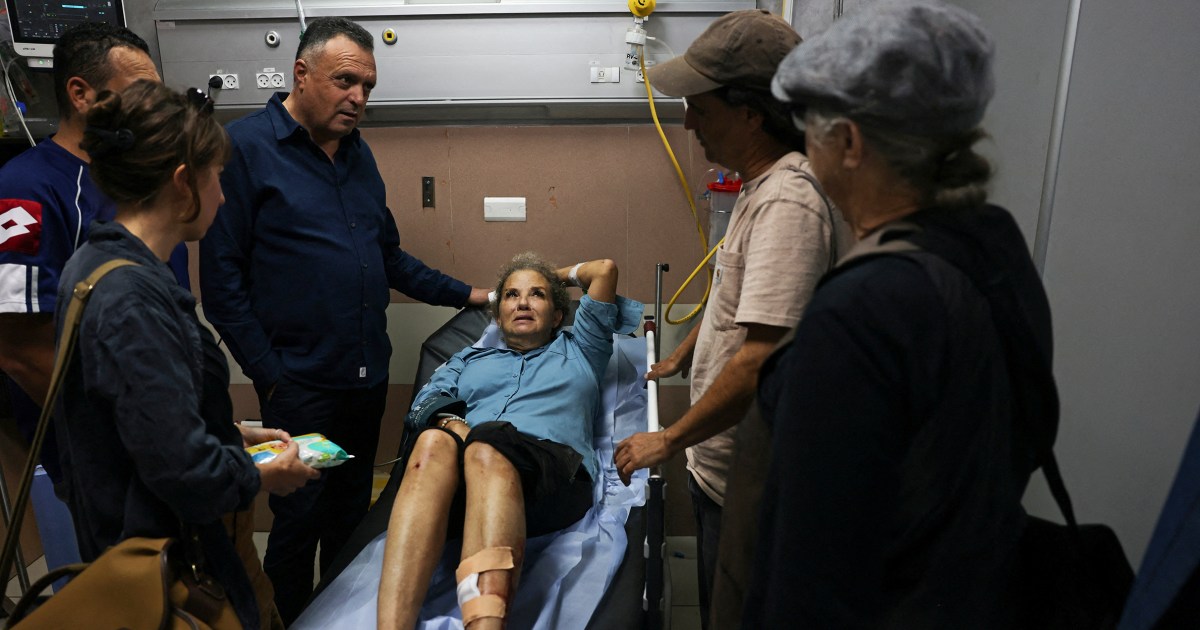

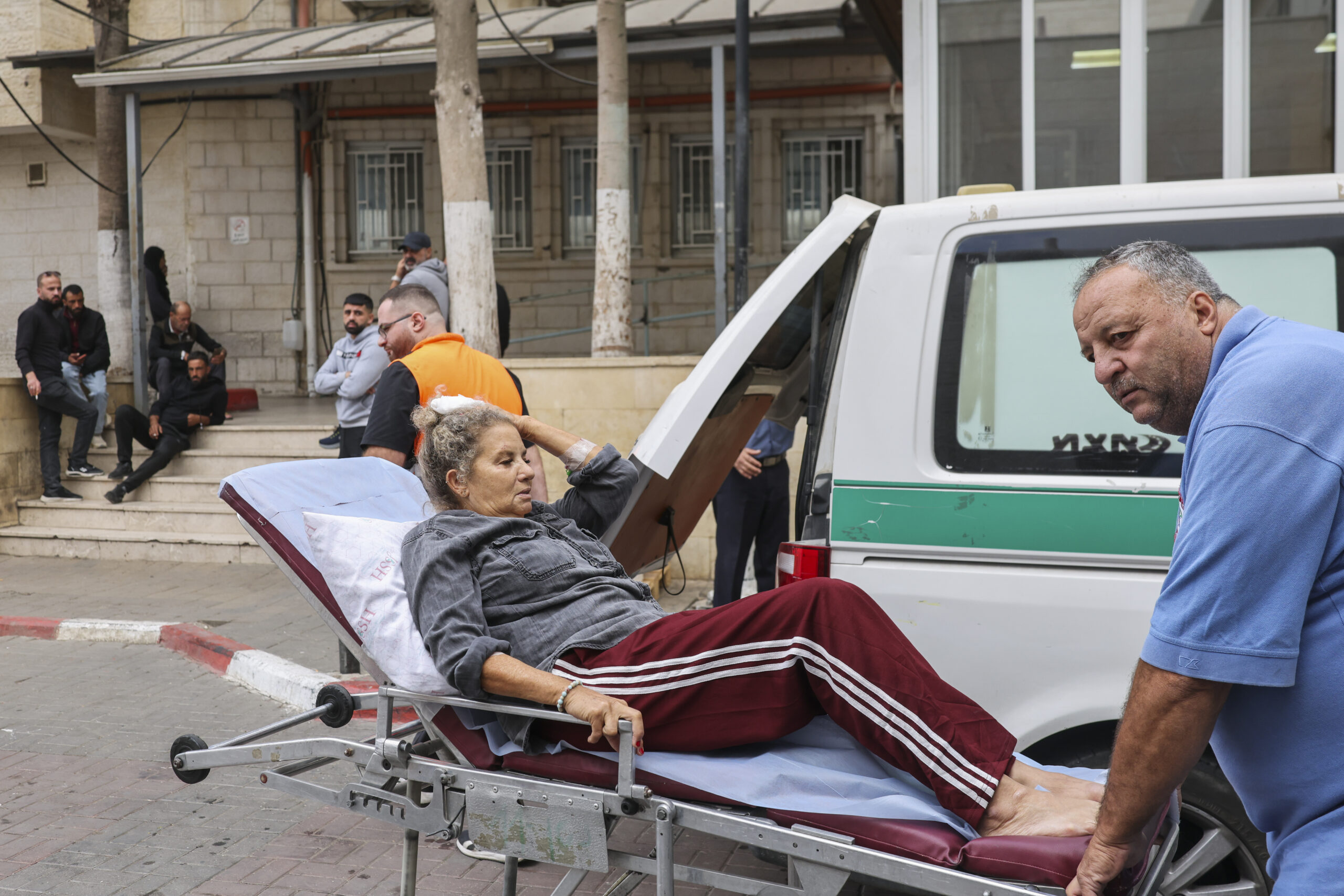
This internal reckoning has been accelerated by acute episodes of violence in the West Bank. On Friday, October 16, 2026, masked extremists attacked American photojournalist Heidi Levine while she documented the annual olive harvest in the village of Abu Falah near Ramallah. Levine, an American citizen who has lived in the region for decades, sustained broken ribs, spinal vertebrae injuries, stab wounds requiring stitches, and severe trauma to her hand that necessitated surgery. The following day, masked attackers targeted a delegation of European diplomats — including representatives from France, Belgium, and Poland, alongside a French mayor — who were visiting a harvest in Taybeh.
The coordinated assaults drew immediate international condemnation. United States Ambassador to Israel Mike Huckabee denounced the beating of Levine as a despicable act of terror, demanding a full investigation and prosecution. On Monday, October 19, 2026, Huckabee praised the Israel Police for conducting a pre-dawn operation that resulted in detentions. While initial reports from outlets such as Open Magazine cited eight detainees, subsequent reporting confirmed that ten suspects had been taken into custody. Law enforcement agencies, operating alongside the Shin Bet security service and the military under an operation reportedly designated "Olive Leaf," seized vehicles and discovered items including slingshots and religious garments known as tzitzit at suspect properties.
Israeli Police Commissioner Daniel Levy insisted that the law applies to everyone regardless of identity or affiliation. Yet the official domestic response revealed deep divisions within Israel's leadership. While Foreign Minister Gideon Sa'ar and the Israel Defense Forces explicitly blamed Israeli rioters and initiated forensic investigations, Prime Minister Benjamin Netanyahu adopted a far more circumspect posture. Netanyahu questioned the clarity of the facts surrounding Levine's assault and suggested that the European diplomats had entered a sensitive area without proper military coordination. Levine expressed shock and insult at the prime minister's remarks from her hospital bed.
| Incident Date | Target | Location | Official Response & Action |
|---|---|---|---|
| October 16, 2026 | Washington Post photojournalist Heidi Levine | Abu Falah, near Ramallah | Condemned by U.S., apologies from President Isaac Herzog; 10 arrests made. |
| October 17, 2026 | French, Belgian, and Polish Diplomats | Taybeh, West Bank | Condemned by EU, Canada, and EU condemns Israeli settler attacks on diplomats in occupied West Bank; military investigation opened. |
Human rights organizations emphasize that these high-profile episodes reflect a much broader systemic crisis. According to data compiled by the Israeli human rights group Yesh Din, at least 170 settler attacks have been recorded since September 27, 2026. Critics and observers note that prosecutions remain rare. Research cited by correspondents indicates that only a minuscule fraction of past police investigations into West Bank settler violence resulted in convictions, with the vast majority closing due to an inability to identify suspects.
The timing of the violence intersects with a tense political landscape in Israel, where Netanyahu's religious-nationalist coalition faces projections of losing its governing majority in the upcoming October 27, 2026 election. International allies, including the United Kingdom, which recently characterized the trend as ethnic cleansing and sanctioned settlement products, have ramped up pressure on Jerusalem to enforce accountability. Diaspora organizations warn that the absence of a viable peace vision and the unchecked rise of extremist actions severely erode their ability to defend Israel abroad.
What happens next depends heavily on whether the detained suspects face formal indictments in the coming days and how international partners respond to ongoing security conditions in the World coverage. As Mike Huckabee demands arrest over West Bank attack on US journalist Heidi Levine continues to resonate across diplomatic channels, global Jewish bodies are left weighing a permanent shift in how they critique and engage with Israeli state policy.
How significant is this development?
Contribute your assessment to the aggregated reader sentiment ledger.
Frequently Asked Questions
Key questions answered in this reportWhat is the key development in: Diaspora Jewish leaders harden stance on Israeli policies amid West Bank violence?
Mounting West Bank extremist attacks and international pressure are forcing Diaspora Jewish leaders to reevaluate their stance on Israeli government policies.
Why is this World development significant for the UK?
This report covers critical events in our World beat. Independent reporting monitors related UK statements, regulatory shifts, and public responses as further verified details emerge.
How was this reporting corroborated and verified?
Newsarchy UK compiles and cross-references reporting from primary reporting from nbcnews.com and cross-checked wire reports. All coverage adheres to published editorial standards.
When was this report published?
This briefing was published on October 19, 2026 and is permanently cataloged in the Newsarchy UK World archives.