DRC Ebola outbreak becomes country’s deadliest as deaths surpass 2300
The Ebola outbreak in the Democratic Republic of the Congo has become the deadliest in the nation's history, with fatalities surpassing 2,325.

- Core Development: The Ebola outbreak in the Democratic Republic of the Congo has become the deadliest in the nation's history, with fatalities surpassing 2,325.
- Beat Context: Categorized under World with independent corroboration.
- Reporting Depth: 3 minute analytical read synthesized from verified newsroom sources.
The Ebola outbreak in the Democratic Republic of the Congo (DRC) has officially become the deadliest in the nation's history, eclipsing previous crises as fatalities climb past 2,325 according to government data reported by The Guardian.
The epidemic has expanded at an unprecedented velocity. It has surged past the death toll of a previous two-year health crisis in just 13 weeks. According to United Nations statements, the virus is currently claiming a victim every 30 minutes. Confirmed infections have reached 4,945, with the public health institute noting that 101 of those cases were detected within a single recent 24-hour window.
Media additions
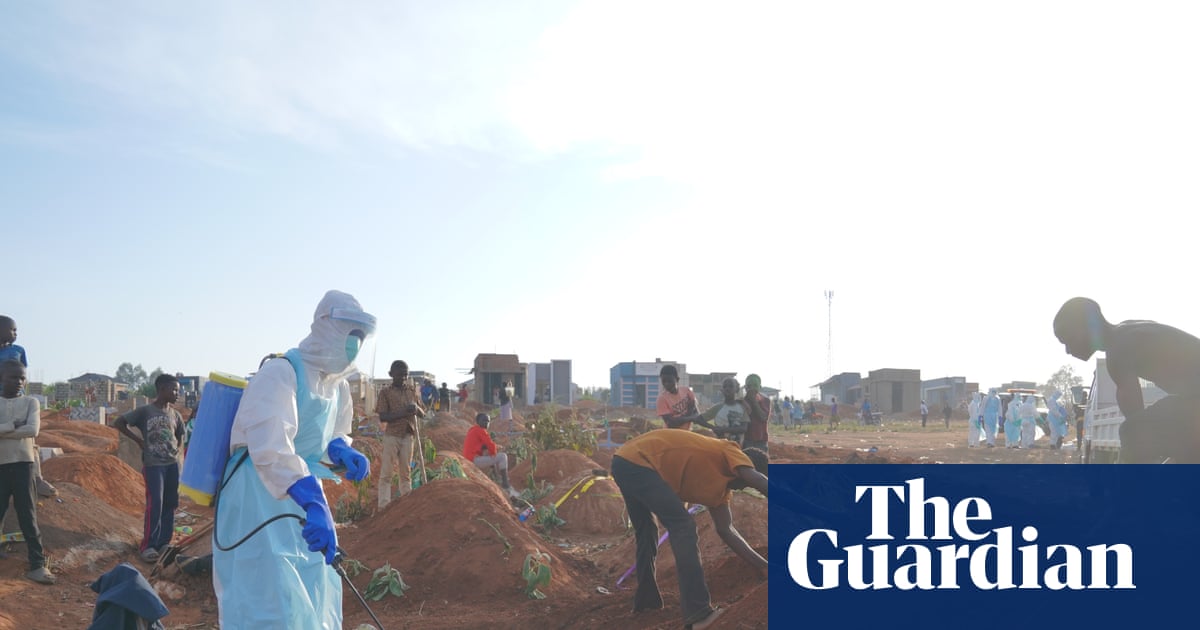
Global health authorities have raised alarms over the trajectory of the disease. Ebola is winning in the Democratic Republic of the Congo. We cannot let the virus outrun our response,
UN humanitarian chief Tom Fletcher said, calling for speed, scale, and solidarity. World Health Organization Director-General Tedros Adhanom Ghebreyesus warned that the current epidemic is tracking to surpass the devastating 2014–16 west Africa outbreak.
Unlike previous surges, this outbreak is driven by the rare Bundibugyo strain, for which there were initially no approved vaccines or treatments. Clinical trials for two potential treatments began in Ituri province, and Tedros noted that two vaccines developed specifically for the strain are now being tested on humans. Despite these trials, the virus appears increasingly lethal. Government data cited by The Independent indicates the case fatality ratio has climbed from approximately 20 per cent in early June to 46 per cent.
Experts note that fatality rates typically decline as contact tracing improves and patients receive early care. However, health workers report that patients are being identified far too late. Thomas Parisch, a public health specialist deployed with Médecins Sans Frontières, explained the operational reality:
"Normally, as an outbreak progresses, the case fatality ratio should fall as contact tracing improves and patients are identified and treated earlier. Instead, we’re still seeing many cases detected very late, when treatment is less likely to succeed, with many identified only after they die in the community."
Thomas Parisch, Public health specialist, via The Guardian
Community fear and distrust continue to drive underground treatment. Mohamed Janabi, the WHO’s regional Africa director, stated that more than 70% of people die in the community rather than in formal health centres. Local accounts underscore this hesitation. Jean-Paul Malo Lotsima, a civil society official in the Djugu area of Ituri, explained that families often mistake initial symptoms for poisoning or alternative illnesses, seeking hospital care only at the final hour. Flavier Ngurima, a resident of the Nizi hotspot, recounted losing a brother who was treated at home by a family nurse because relatives feared the treatment centres, where rumors claimed many patients perish.
The local response has faced compounding disruptions. Aid agencies report that efforts have been hampered by attacks on healthcare facilities, misinformation regarding safe burial practices, strikes by unpaid health workers, and abrupt international aid cuts, including the decimation of USAID operations. Competing health crises place additional strain on the region, with Médecins Sans Frontières recording over 100,000 suspected measles cases and 1,394 deaths between January and mid-July, alongside tens of thousands of suspected cholera cases and persistent malaria mortality.
Cross-border transmission risks have also heightened regional anxiety. While Uganda successfully contained a small cluster of 20 cases and was declared Ebola-free after its final patient was discharged, Mercy Corps has warned of potential spread toward South Sudan. That nation already contends with conflict, displacement, food insecurity, flooding, and separate disease outbreaks.
What to watch next
- Results from the ongoing clinical trials testing experimental treatments and two newly developed vaccines specifically targeting the Bundibugyo strain.
- Surveillance reports from border regions near South Sudan and other neighboring territories to detect potential cross-border transmission early.
- Developments in local community engagement strategies intended to reduce late presentations and curb community deaths in Ituri and surrounding provinces.
How significant is this development?
Contribute your assessment to the aggregated reader sentiment ledger.
Frequently Asked Questions
Key questions answered in this reportWhat is the key development in: DRC Ebola outbreak becomes country’s deadliest as deaths surpass 2300?
The Ebola outbreak in the Democratic Republic of the Congo has become the deadliest in the nation's history, with fatalities surpassing 2,325.
Why is this World development significant for the UK?
This report covers critical events in our World beat. Independent reporting monitors related UK statements, regulatory shifts, and public responses as further verified details emerge.
How was this reporting corroborated and verified?
Newsarchy UK compiles and cross-references reporting from primary reporting from theguardian.com and cross-checked wire reports. All coverage adheres to published editorial standards.
When was this report published?
This briefing was published on August 17, 2026 and is permanently cataloged in the Newsarchy UK World archives.