Kenya Confirms First Ebola Case After Patient Dies in Nairobi
Kenya has confirmed its first-ever Ebola case after a citizen infected abroad traveled to Nairobi and died, triggering urgent contact tracing.
- Core Development: Kenya has confirmed its first-ever Ebola case after a citizen infected abroad traveled to Nairobi and died, triggering urgent contact tracing.
- Beat Context: Categorized under World with independent corroboration.
- Reporting Depth: 3 minute analytical read synthesized from verified newsroom sources.
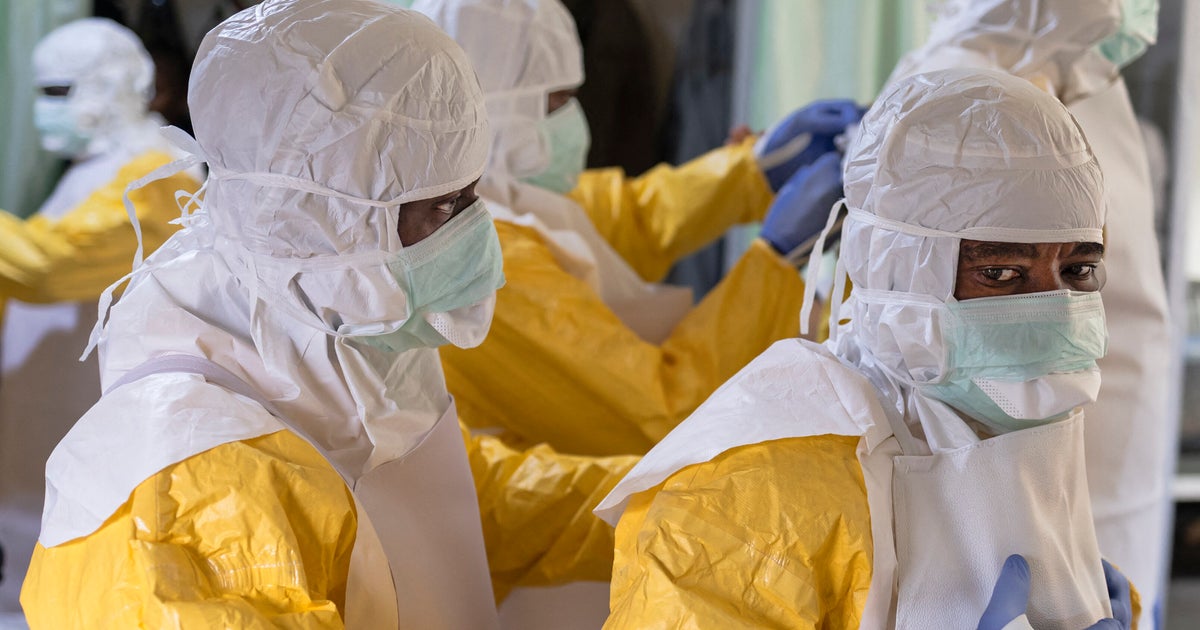
Kenya has confirmed its first-ever case of Ebola, marking a critical new turning point in the region's expanding health crisis after a citizen who contracted the virus abroad died in Nairobi. The development brings the fast-moving epidemic across international borders once again, prompting immediate containment measures from health authorities.
According to Health Minister Aden Duale, the infected individual had been residing in the Democratic Republic of Congo, where he fell ill roughly a month before attempting to travel home. He received initial treatment at various hospitals within Congo before undertaking an overland journey by road to Kampala, the capital of Uganda. From there, he boarded a commercial flight operated by Jambojet and landed at Jomo Kenyatta International Airport in Nairobi.
Media additions

Upon arrival, the man passed through routine public health screening and immigration desks without triggering immediate red flags. Officials later noted that medication may have temporarily masked his symptoms during airport checks. Relatives subsequently collected him in a private vehicle and transferred him directly to Nairobi Hospital. Once admitted, medical staff quickly recognized the severity of his condition, placing him into isolation as he presented with a high fever, chills, intense fatigue, muscle pain, painful swallowing, a sore throat, and visible bleeding beneath the skin at injection sites.
Laboratory testing conducted at both the National Virology Reference Laboratory and the Kenya Medical Research Institute confirmed the presence of the Bundibugyo virus. Despite receiving supportive care in the hospital's specialized isolation facility — a unit originally established during the COVID-19 pandemic — the patient died late on Monday night. Preparations were immediately put in place for a safe and dignified burial adhering strictly to infectious disease protocols.
The strain involved is the rare Bundibugyo virus, a distinct species within the Orthoebolavirus genus that differs from the Zaire strain responsible for past epidemics in West Africa. Medical experts emphasize that standard countermeasures, such as the Ervebo vaccine or specific monoclonal antibody treatments utilized for Zaire Ebola, cannot automatically be assumed to offer protection against the Bundibugyo variant. Treatment is therefore strictly limited to intensive supportive care, including rehydration and symptom management.
| Metric / Detail | Reported Figure | Context |
|---|---|---|
| Confirmed Cases in DRC | Over 8,300 to 8,463 | Ongoing outbreak declared in mid-May |
| Total Deaths in DRC | Over 4,000 | Spanning seven provinces |
| Uganda Regional Cases | 20 cases, 2 deaths | Declared Ebola-free in August |
| Kenyan Primary Contacts | 28 individuals | Family members and healthcare workers |
| Flight Manifest Contacts | 23 passengers, 4 crew members | Actively being traced by authorities |
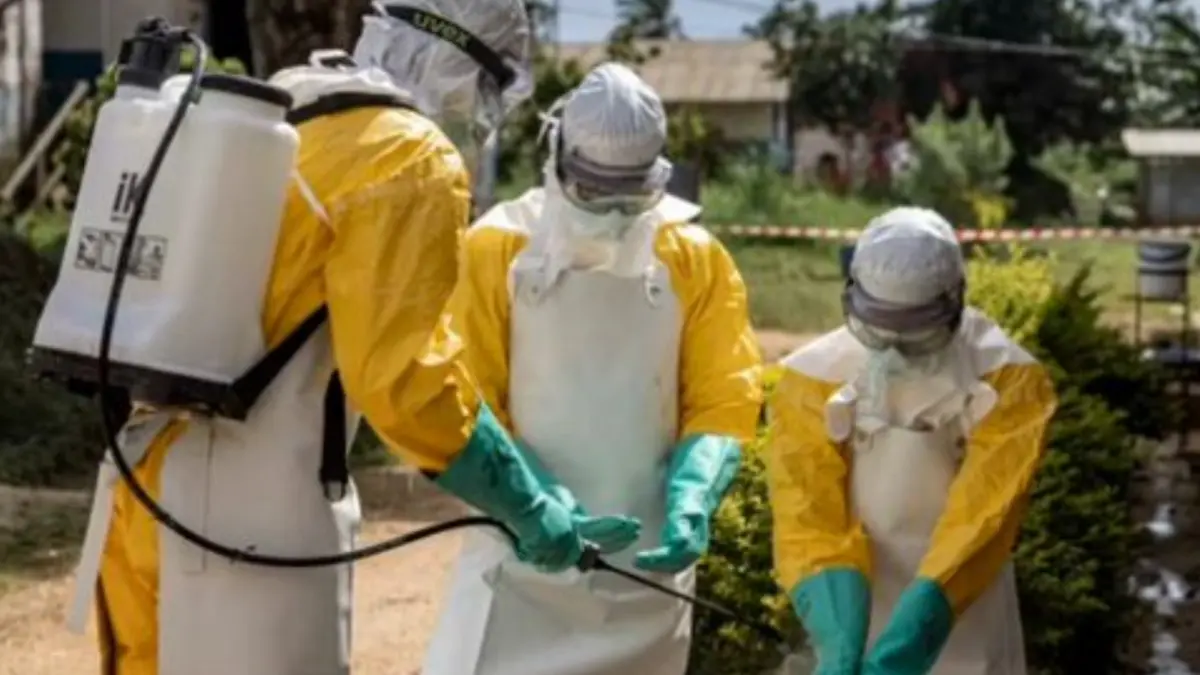
Foreign Affairs Principal Secretary Korir Sing'oei sought to reassure the public by emphasizing that Ebola is not a respiratory disease and requires direct contact with bodily fluids to spread, meaning ordinary presence in the same area does not automatically lead to infection. Nevertheless, the Ministry of Health activated its National Ebola Incident Management System, placing border points on high alert and deploying mobile laboratories to high-risk northern and western crossings.
Health officials have identified 28 primary contacts, including family members and medical workers who attended to the man, who will remain under quarantine and monitoring for the maximum incubation period of 21 days. Authorities are simultaneously pursuing the remaining passengers and crew members who shared the flight from Entebbe. The Africa Centres for Disease Control and Prevention dispatched a high-level support team to assist Kenyan responders as surveillance efforts expand across the country's formal entry points.
The wider outbreak originating in eastern Congo continues to strain regional health systems amid ongoing conflict, security challenges, and community mistrust. Aid organizations such as Médecins Sans Frontières have warned of an alarming surge in hot spots across North Kivu and surrounding provinces.
What to Watch Next
- Daily updates from the Kenyan Ministry of Health regarding the health status of the 28 quarantined primary contacts.
- Results from the ongoing tracing operation to locate and screen all passengers and crew members from the patient's flight.
- Further regional containment assessments from the World Health Organization as cross-border surveillance continues.
How significant is this development?
Contribute your assessment to the aggregated reader sentiment ledger.
Frequently Asked Questions
Key questions answered in this reportWhat is the key development in: Kenya Confirms First Ebola Case After Patient Dies in Nairobi?
Kenya has confirmed its first-ever Ebola case after a citizen infected abroad traveled to Nairobi and died, triggering urgent contact tracing.
Why is this World development significant for the UK?
This report covers critical events in our World beat. Independent reporting monitors related UK statements, regulatory shifts, and public responses as further verified details emerge.
How was this reporting corroborated and verified?
Newsarchy UK compiles and cross-references reporting from primary reporting from allafrica.com and cross-checked wire reports. All coverage adheres to published editorial standards.
When was this report published?
This briefing was published on October 6, 2026 and is permanently cataloged in the Newsarchy UK World archives.