Blazes merge outside Madrid as tens of thousands flee fires in France
France and Spain have declared emergency measures as uncontrollable wildfires force mass evacuations across tourist hotspots and residential areas. Authorities are now calling for international aid to combat the rapidly spreading blazes.
- Core Development: France and Spain have declared emergency measures as uncontrollable wildfires force mass evacuations across tourist hotspots and residential areas. Authorities are now calling for international aid to combat the rapidly spreading blazes.
- Beat Context: Categorized under World with independent corroboration.
- Reporting Depth: 3 minute analytical read synthesized from verified newsroom sources.
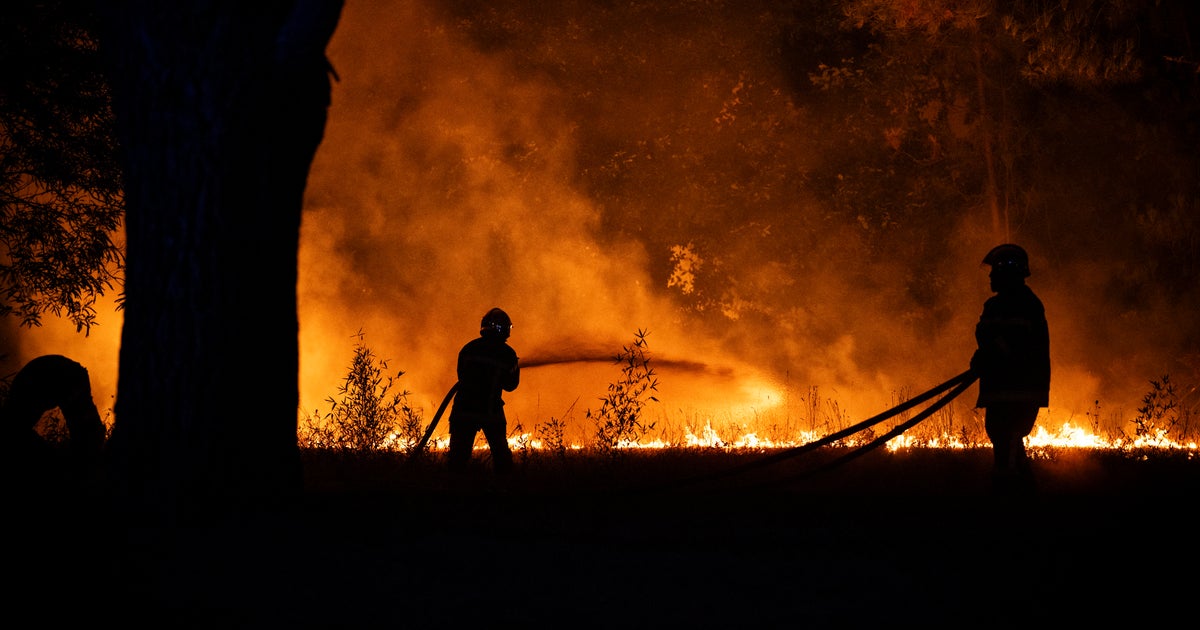
Tens of thousands of people fled wildfires in southwest France by car and boat on Friday, while Spain declared a national emergency as huge blazes merged outside Madrid. The incidents occur as Europe experiences searing heat and tinder-dry conditions, with authorities in both nations seeking international support to manage the strain on firefighting resources.
In France, officials ordered the total evacuation of the Cap Ferret peninsula, a tourism hotspot on the Atlantic Coast. A separate fire in the town of Biscarrosse also forced residents to leave their homes. Across the region, approximately 63,000 people were instructed to evacuate as fires threatened homes and campsites.
"From our home, we had a view of the fires ... We could see the clouds becoming darker and darker,"
Yoan Urien, resident, via Reuters
A fire that began in Saumos, north of Cap Ferret, currently stands as the largest blaze in France this season. Interior Minister Laurent Nunez noted that the fire threatens the only road providing an exit from the peninsula. The blaze has consumed 10,000 hectares of forest and destroyed 80 homes, with approximately 50 of those properties completely lost. Residents, including family caregiver Corinne Paillaube, described the emotional toll of seeing the area affected by smoke and flame. Others, such as Ambre Dubos from the nearby Landes region, described the conditions as totally apocalyptic
.
Spain is grappling with similar intensity in the mountains west of Madrid. Two major fires converged, and officials indicated that a third fire in Avila province was on the verge of merging with the others. Interior Minister Fernando Grande-Marlaska stated that more than 19,000 people have been ordered to evacuate, while more than 2,000 personnel and 10 aircraft have struggled to contain the spread. The area is densely populated with second homes, and a single residential development suffered the loss of 43 houses.
"I had to run from my house. There was a ball of fire. If I'd taken five more minutes, it would have wiped us out,"
Enrique Martin, evacuee, via Khaleejtimes
The Spanish government declared a national emergency, a measure intended to provide federal funding and improve the coordination of resources. Regional leader Isabel Diaz Ayuso stated that the situation represents a perfect storm of very high temperatures and ceaseless winds that aren’t letting up
. According to Environment Minister Sara Aagesen, Spain has recorded more than 29 major fires this year, resulting in damage to a surface area five times larger than the extent seen at this point in 2025. Local residents, such as Javier Martin in Navaluenga, reported that they had never witnessed such events in decades of living in the area.
International support has been mobilized to address the crisis. The Greek civil protection ministry confirmed the deployment of two CL-415 aircraft to operate near Toledo in Spain. Meanwhile, Croatia has sent a Canadair CL-415 aircraft, along with two flight crews and 11 army technical staff, to assist French firefighting operations.
The outlook for the coming days remains challenging. While temperatures in France may see a brief reprieve over the weekend, official forecasts indicate a sharp rise in average temperatures beginning next week. Rising river temperatures threaten to impact the operation of nuclear reactors, which rely on river water for cooling. Data from operator EDF shows that the Golfech 2 nuclear reactor in southern France has remained offline since July 7 due to heat-related restrictions. Additionally, the sustained hot weather is impacting maize crops in France, which serves as the largest grain producer in the European Union.
How significant is this development?
Contribute your assessment to the aggregated reader sentiment ledger.
Frequently Asked Questions
Key questions answered in this reportWhat is the key development in: Blazes merge outside Madrid as tens of thousands flee fires in France?
France and Spain have declared emergency measures as uncontrollable wildfires force mass evacuations across tourist hotspots and residential areas. Authorities are now calling for international aid to combat the rapidly spreading blazes.
Why is this World development significant for the UK?
This report covers critical events in our World beat. Independent reporting monitors related UK statements, regulatory shifts, and public responses as further verified details emerge.
How was this reporting corroborated and verified?
Newsarchy UK compiles and cross-references reporting from primary reporting from khaleejtimes.com and cross-checked wire reports. All coverage adheres to published editorial standards.
When was this report published?
This briefing was published on July 24, 2026 and is permanently cataloged in the Newsarchy UK World archives.