France recorded 5,764 excess deaths during its historic June heat wave
France’s public-health agency confirmed a 36% rise in mortality during a late-June heat wave that surpassed the toll of the previous summer. Officials are now calling for stronger heat-risk strategies as extreme temperatures impact the nation.

- Core Development: France’s public-health agency confirmed a 36% rise in mortality during a late-June heat wave that surpassed the toll of the previous summer. Officials are now calling for stronger heat-risk strategies as extreme temperatures impact the nation.
- Beat Context: Categorized under World with independent corroboration.
- Reporting Depth: 4 minute analytical read synthesized from verified newsroom sources.
France’s public‑health agency confirmed on Wednesday that the country suffered 5,764 excess deaths between 17 June and 2 July 2026, a mortality spike that eclipses every heat‑related surge since the 2003 disaster. The surge arrived as Europe wrestles with a season of record‑breaking temperatures, prompting urgent calls for stronger heat‑risk strategies.
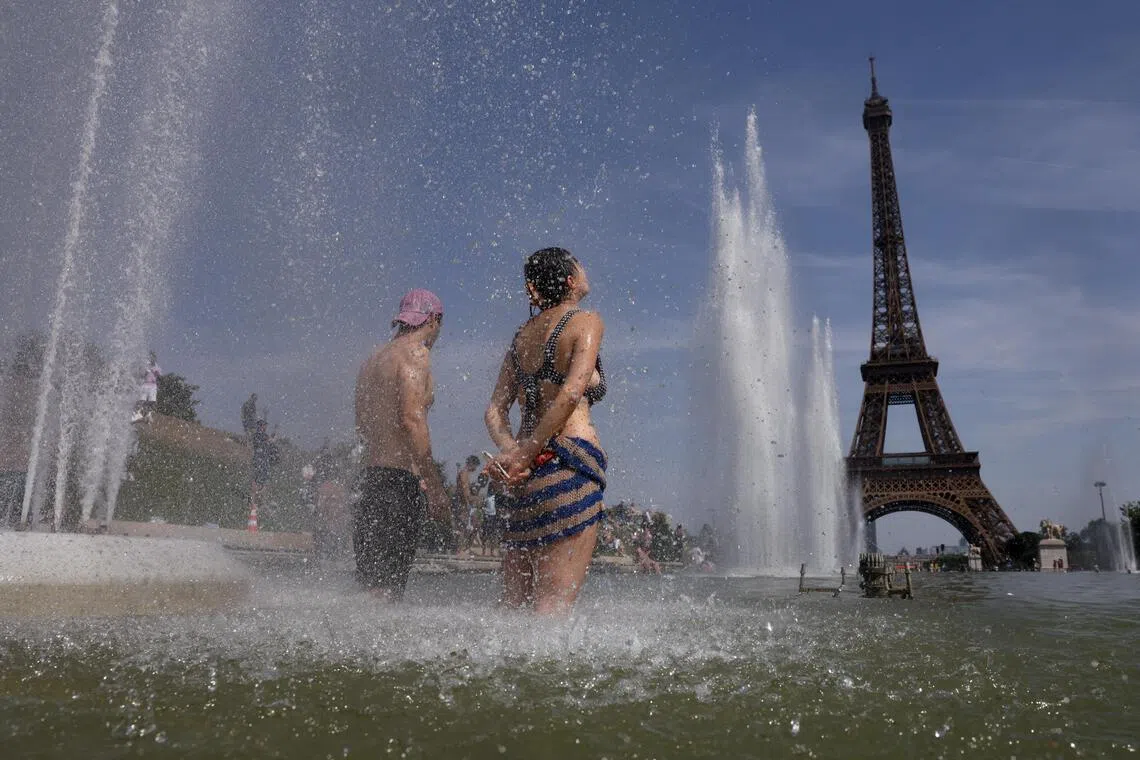
Health officials said the excess mortality represents a 36 % rise over the deaths that would have been expected in the same period, based on statistical modelling of previous years. More than half of the unexpected deaths occurred during the three‑day peak from 25 June to 27 June, when the nation logged its hottest ever days on record – an average of 30 °C nationwide, with many locations soaring above 40 °C.
Media additions
Why the toll matters now
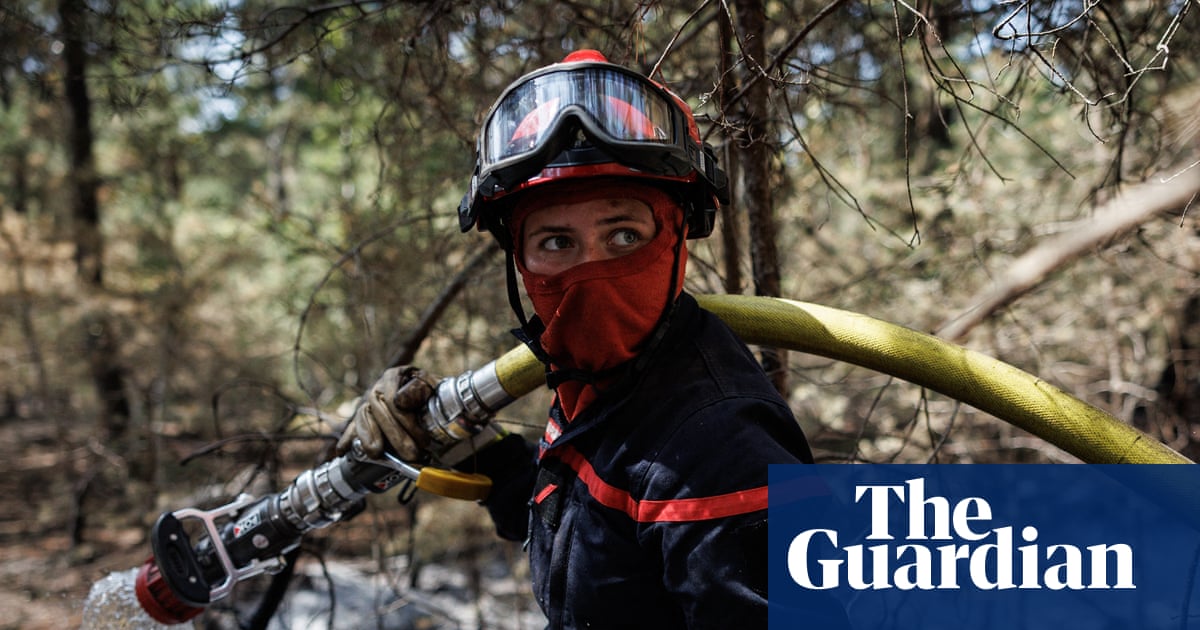
The numbers arrive at a time when southern Europe is contending with simultaneous wildfires, drought and heat‑related illnesses. In Spain, a blaze in the Guadalajara region has scorched roughly 32,000 hectares, while France itself recorded two firefighter fatalities in Gironde and a 2,500‑hectare fire in the Var department that forced 400 residents to evacuate.
“We must raise public awareness and not trivialise the climate emergency,” warned Spain’s prime minister during a recent visit to the wildfire‑hit villages, underscoring the cross‑border urgency of the heat crisis.
Geographic and demographic breakdown
The Paris region bore the brunt of the excess mortality, with the health agency counting 1,999 unexpected deaths – roughly 80 % more than would have been anticipated without a heat wave. Nationwide, hospitals saw a surge of heat‑related admissions, accounting for nearly half of the 21,674 total deaths from all causes recorded in the affected regions. About a third of the excess deaths occurred at home, and the remainder were largely in care homes for older people.
Age‑related analysis showed that roughly two‑thirds of the excess deaths were among people aged 75 and older, while less than a fifth involved those aged 45 to 64. The agency emphasized that most of the deaths were listed under “all causes” because heat often triggers underlying conditions – a heart attack, for example, may be recorded without reference to the temperature spike.
Historical context
The 2026 episode marks the highest excess mortality from heat in France since the 2003 wave, which claimed an estimated 15,000 lives. By contrast, the previous summer (2025) saw 5,722 excess deaths linked to high temperatures, a figure that the current tally now surpasses.
| Year | Excess deaths | Event description |
|---|---|---|
| 2003 | ≈15,000 | Deadliest heatwave on record |
| 2025 (June‑Sept) | 5,722 | Heat‑related excess mortality |
| 2026 (June 17‑July 2) | 5,764 | Historic heatwave with 36 % excess mortality |
Official response and expert commentary
Public Health France described the episode as “unprecedented”, noting its early onset, intensity and duration exposed nearly the entire population while schools and workplaces remained fully operational. The agency said its latest estimate will be refined later in the year as more complete data become available.
Experts cautioned that the full impact of heat‑related deaths often remains hidden, because medical certificates may attribute fatalities to pre‑existing conditions rather than the heat itself. This methodological challenge means the reported figure could be a conservative estimate of the human cost.
In a parallel development, French authorities urged citizens to avoid using barbecues in areas experiencing extreme heat, noting that nine out of ten fires in the country are sparked by human activity. This advisory follows a spate of wildfires across the Var department and southern regions, where 1,100 firefighters battled all‑night blazes.
What to watch next
- Release of the final mortality report from Public Health France later in 2026, which will incorporate data from nursing homes and regional registries.
- Potential policy revisions on heat‑wave emergency plans, including school closures and workplace adjustments, as urged by health experts.
- Continued monitoring of wildfire activity in Spain, France and Italy, with particular attention to the risk of human‑triggered ignitions during prolonged heat.
- Updates from European climate agencies on the projected frequency of extreme‑heat events, given the continent’s status as the world’s fastest‑warming region.
The stark rise in excess deaths has reignited debate over France’s preparedness for climate‑driven emergencies. As heatwaves become the new normal across Europe, policymakers, health services and the public will need to coordinate more closely to mitigate the lethal toll of extreme temperatures.
For ongoing coverage of climate‑related health impacts, see our World section.
How significant is this development?
Contribute your assessment to the aggregated reader sentiment ledger.
Frequently Asked Questions
Key questions answered in this reportWhat is the key development in: France recorded 5,764 excess deaths during its historic June heat wave?
France’s public-health agency confirmed a 36% rise in mortality during a late-June heat wave that surpassed the toll of the previous summer. Officials are now calling for stronger heat-risk strategies as extreme temperatures impact the nation.
Why is this World development significant for the UK?
This report covers critical events in our World beat. Independent reporting monitors related UK statements, regulatory shifts, and public responses as further verified details emerge.
How was this reporting corroborated and verified?
Newsarchy UK compiles and cross-references reporting from primary reporting from straitstimes.com and cross-checked wire reports. All coverage adheres to published editorial standards.
When was this report published?
This briefing was published on July 23, 2026 and is permanently cataloged in the Newsarchy UK World archives.