Modi faces mass Gen Z cockroach protests over exam leaks at Jantar Mantar
Prime Minister Narendra Modi faces mounting pressure as India's cockroach movement stages massive Jantar Mantar protests over competitive exam leaks.
- Core Development: Prime Minister Narendra Modi faces mounting pressure as India's cockroach movement stages massive Jantar Mantar protests over competitive exam leaks.
- Beat Context: Categorized under World with independent corroboration.
- Reporting Depth: 3 minute analytical read synthesized from verified newsroom sources.
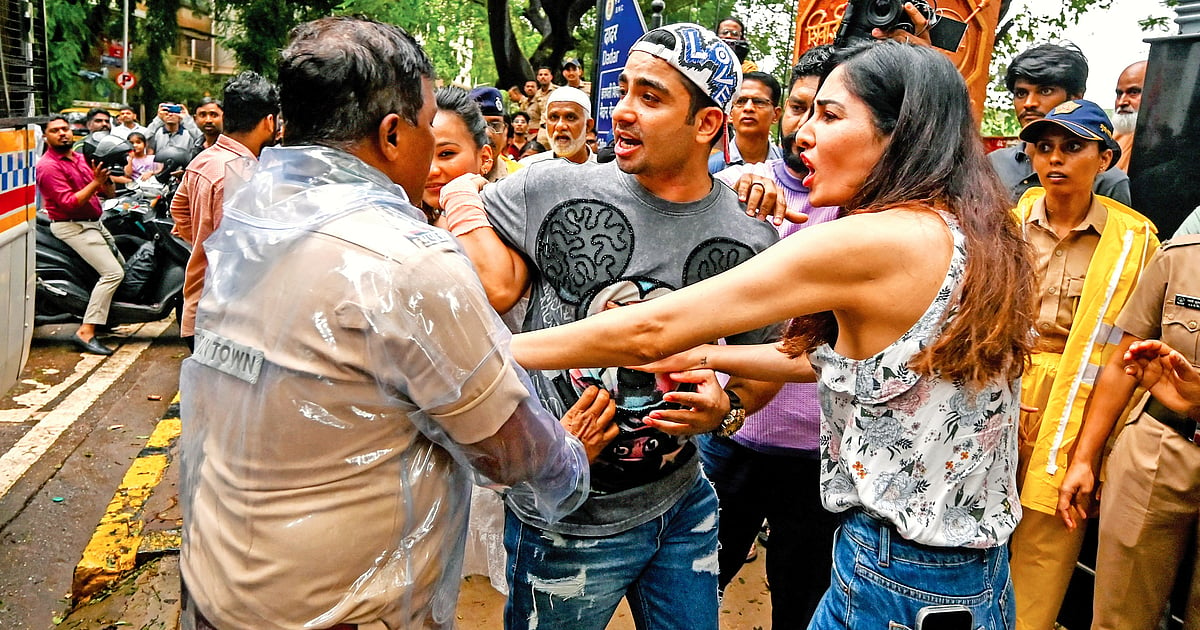
Thousands of young demonstrators camped at New Delhi’s Jantar Mantar in a mobilization driven by anger over competitive exam leaks. Prime Minister Narendra Modi addressed the issue publicly for the first time by announcing fast-track courts to handle examination paper leak cases, writing on X that nothing is more important than the welfare and future of the youth, according to Global News. The demonstrations follow overnight clashes and earlier marches toward Parliament where police dispersed crowds using tear gas and batons.
The protests began as an online satire campaign in May and shifted to street demonstrations in June across smaller cities before expanding into a nationwide movement involving the Cockroach Janta Party. Demonstrators have demanded the resignation of Education Minister Dharmendra Pradhan, examination system reforms, and compensation for families of students who died by suicide following exam paper leaks.
Media additions


A diverse coalition and historical parallels
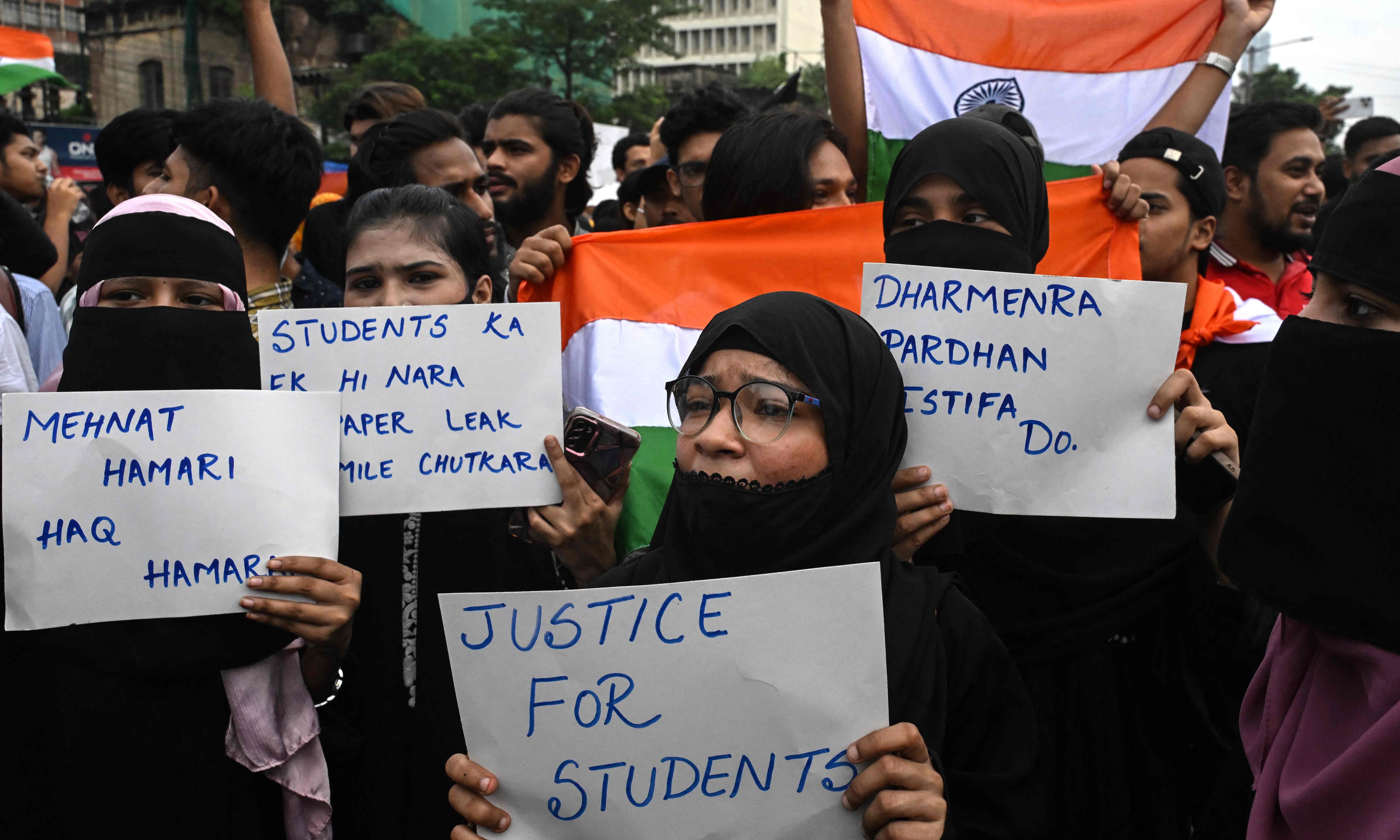
National Herald India describes the Jantar Mantar crowd as a diverse mix of college and school students, professionals, the unemployed, parents, teachers, artists, activists, social media influencers, celebrities, and political leaders. The demographic includes left-wing student unions such as AISA, SFI, and AISF alongside disillusioned Bharatiya Janata Party supporters, Ambedkarites, and liberals.
Analyses liken the demonstrators to the precariat, a social class identified by British labor economist Guy Standing as living in chronic uncertainty regarding employment and social stability. Because this group is vulnerable to both left-wing ideas of social equity and right-wing populist promises, commentators note the movement's ideological agnosticism.
The protests have drawn comparisons to historical student movements lacking a unified ideological core, such as the 1968 student uprisings in France and across Europe and North America, as well as the Arab Spring and Occupy Wall Street.
Clashes and police intervention
Police tactics have drawn intense scrutiny. Deccan Chronicle characterizes the official response as overly aggressive, pointing to the closure of 16 Delhi Metro stations, digital tracking of protesters in Mumbai, and clashes involving plainclothes officers with batons and tear gas. Despite warnings and advisories from institutions urging students to stay away, crowds continued to converge.
In Mumbai, approximately 2,500 youths gathered across locations including Dadar, Chembur, Juhu, Colaba, and Powai. Model Rhiya Ahir became a prominent figure in the Mumbai agitation by blocking a police van containing detained students until they were released.
During the Chalo Sansad protest on 20 July, demonstrations turned volatile. Timesnownews reports that while peaceful protesters faced water cannons and tear gas, other individuals unconnected to the student core clashed with police, pushed barricades, and intimidated journalists, with police later reporting weapons recoveries.
Leadership and the role of activists
Questions of discipline and strategy have emerged as the movement scales. CJP founder Abhijeet Dipke posted a meme captioned with an image of Pradhan reading Hi, my name is Nothing. While Dipke suggested that older activists in their sixties and seventies should step aside, commentators note that the protests gained significant momentum after activist Sonam Wangchuk joined and launched a hunger strike.
Wangchuk concluded a 26-day fast at Gurgaon’s Medanta Hospital in the presence of Union ministers J.P. Nadda and Jitendra Singh, alongside his wife and CJP leaders. Meanwhile, opposition figures have amplified calls for Pradhan's resignation and an apology from the Prime Minister.
Comparative snapshot of the protest’s scale
| Metric | Detail from sources |
|---|---|
| Initial online phase | May (satire campaign) |
| First street actions | June (smaller city protests) |
| Mass rally at Jantar Mantar | 20 July (thousands gathered) |
| Metro shutdown | 16 Delhi Metro stations closed |
| Youth participation in Mumbai | Approx. 2,500 young people at Dadar |
| Duration of Wangchuk’s fast | 26 days |
What to watch next
- Whether formal negotiations will open regarding the demands put forward by the CJP and Sonam Wangchuk.
- Further parliamentary debates concerning examination system reforms and the future of Education Minister Dharmendra Pradhan.
- Potential responses from senior opposition leaders and whether student leadership can maintain peaceful discipline during upcoming demonstrations.
How significant is this development?
Contribute your assessment to the aggregated reader sentiment ledger.
Frequently Asked Questions
Key questions answered in this reportWhat is the key development in: Modi faces mass Gen Z cockroach protests over exam leaks at Jantar Mantar?
Prime Minister Narendra Modi faces mounting pressure as India's cockroach movement stages massive Jantar Mantar protests over competitive exam leaks.
Why is this World development significant for the UK?
This report covers critical events in our World beat. Independent reporting monitors related UK statements, regulatory shifts, and public responses as further verified details emerge.
How was this reporting corroborated and verified?
Newsarchy UK compiles and cross-references reporting from primary reporting from nationalheraldindia.com and cross-checked wire reports. All coverage adheres to published editorial standards.
When was this report published?
This briefing was published on July 25, 2026 and is permanently cataloged in the Newsarchy UK World archives.