Indiana storm leaves thousands without power in Gary nearly two weeks later
Nearly two weeks after a powerful derecho battered northwest Indiana, thousands of residents in Gary remain without power amid mounting frustration, state criticism, and a class-action lawsuit against NIPSCO.
- Core Development: Nearly two weeks after a powerful derecho battered northwest Indiana, thousands of residents in Gary remain without power amid mounting frustration, state criticism, and a class-action lawsuit against NIPSCO.
- Beat Context: Categorized under World with independent corroboration.
- Reporting Depth: 5 minute analytical read synthesized from verified newsroom sources.
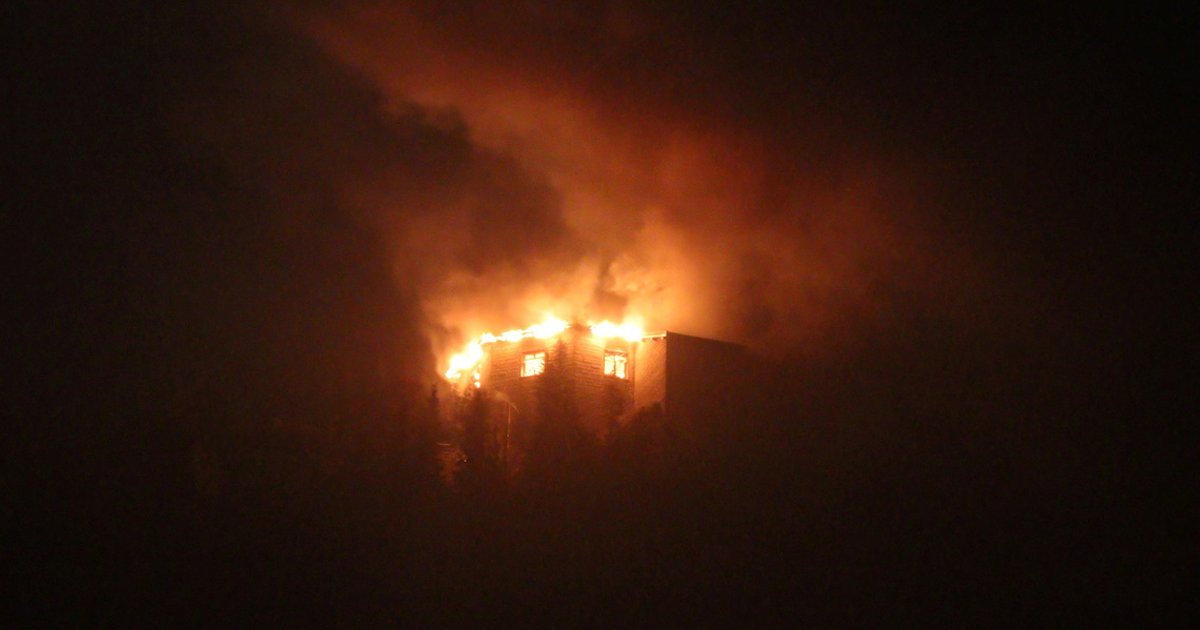
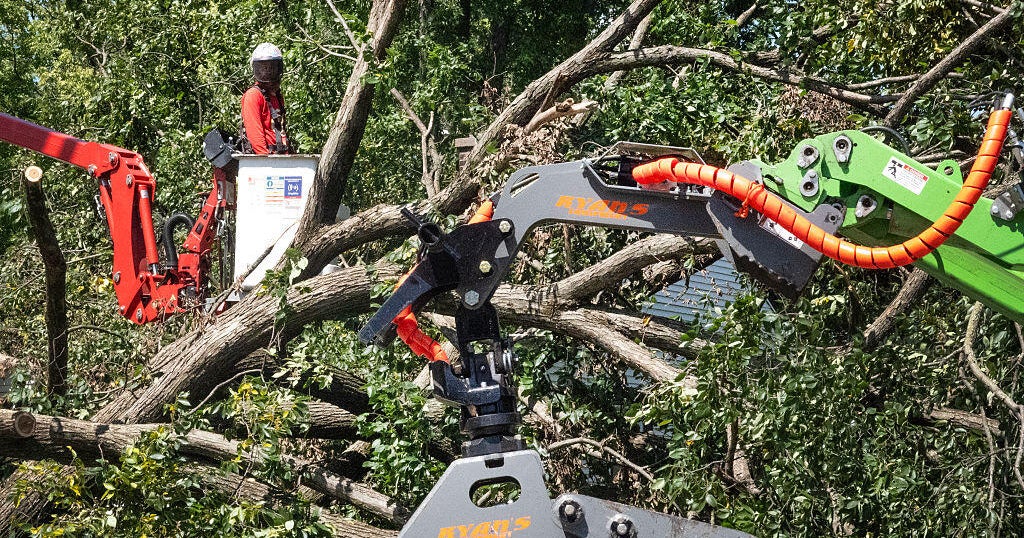
Frustration continues to mount in northwest Indiana where thousands of residents remain without electricity nearly two weeks after a destructive weather system battered the region, according to CBS News. The severe weather event, classified as a derecho, swept through the area bringing exceptionally strong winds that uprooted trees, flooded communities, and caused widespread devastation.
As detailed by Chicago, a powerful wind gust tore through Gary on Aug. 11, knocking out power to nearly 38,300 utility customers in the city alone. At the height of the regional weather event, electricity was cut off for 374,500 customers of the Northern Indiana Public Service Company, the primary electrical utility provider for the area. By Sunday morning, just over 28,000 NIPSCO customers remained without power across the region, with approximately 20,000 of those affected located in Gary, as reported by CBS News and Chicago.
Media additions
The prolonged blackout has forced many residents to navigate sweltering conditions without air conditioning or functioning refrigerators. Shatiya Hardin described the ongoing ordeal to CBS News.
"It's been absolutely horrible," Hardin told CBS News. "At night we're sweating, we're irritable, we have children to look out for, elderly people who need electricity for oxygen tanks."
Shatiya Hardin, Gary resident, via CBS News
Hardin added that the area lacked mobile service, leaving streets pitch black at night except for the headlights of passing cars, and noted that residents were tired of being in survival mode. Many locals have relied heavily on a designated community center for air conditioning, hot meals, and a place to charge mobile phones, while city schools have remained closed, according to CBS News and Npr.
The slow restoration timeline has prompted sharp criticism from local and state leaders. Indiana Gov. Mike Braun publicly demanded swift action from the utility provider, writing on social media that Hoosiers had waited long enough and urging the company to bring in additional crews and dedicate every available resource to the field, as reported by NPR. Gov. Braun activated the National Guard to assist with ongoing recovery efforts and requested an expedited major disaster declaration from FEMA covering 54 counties, estimating that storm losses could exceed $5 billion.
Melody Birmingham, executive vice president of NIPSCO's parent company NiSource and president of NiSource's utilities division, defended the pace of the work during a press conference. Birmingham noted that the storm damage created one of the most extensive and complex situations recovery crews had ever encountered, stating that technicians were essentially rebuilding entire systems in a matter of days rather than weeks or months.
The timing of the disaster has also drawn scrutiny regarding corporate payouts and systemic equity. The onset of the prolonged blackout coincided with an announcement by NiSource Inc. That it would distribute roughly $140 million in dividends to shareholders, according to NPR. Civil rights leaders, including Bernice King, and the American Civil Liberties Union branch in Indiana highlighted disparities in disaster response. Gary's population is nearly 80% Black, and roughly one in three residents lives in poverty, according to U.S. Census data cited by CBS News. King stated on social media that the lengthy outage in Gary fits a pattern where predominantly Black communities are expected to absorb losses and endure conditions that would be considered intolerable elsewhere.
Atmospheric and environmental researchers point to a punishing meteorological combination behind the destruction. Dan Chavas, an atmospheric science professor at Purdue University who leads the Purdue Extreme Weather Laboratory, explained to Chicago that derechos produce sustained, straight-line winds over a much broader geographic footprint than localized tornadoes, putting continuous pressure on thousands of trees simultaneously. Sarah Mincey, an environmental resilience researcher at Indiana University, noted that saturated soils from heavy, extreme precipitation acted in tandem with the region's tree canopy, creating a sail-like effect that easily uprooted trees constrained by limited urban rooting space.
Legal fallout has already begun. A class-action lawsuit was filed against NIPSCO, alleging that the utility failed to proactively trim vegetation near power lines and that falling trees were the primary cause of the blackouts. NIPSCO strongly disputed the allegations, pointing out that its vegetation management spending has more than doubled since 2016. Gary Mayor Eddie Milton told CBS News that the city would re-evaluate its emergency management plans while demanding greater accountability from the utility provider moving forward.
Restoration Timeline and Key Developments
- Aug. 11: A derecho with wind gusts up to 100 mph strikes northwest Indiana, leaving 374,500 NIPSCO customers without power and killing at least seven people.
- Subsequent Week: Schools remain closed, residents seek aid at community centers, and state leaders request federal disaster declarations while deploying the National Guard.
- Mid-August: A class-action lawsuit is filed against NIPSCO over vegetation management, which the utility disputes.
- Sunday, Aug. 23: Roughly 20,000 customers in Gary and over 28,000 across the wider region remain without electricity.
- Tuesday, Aug. 25: Utility officials target 11:59 p.m. For full power restoration in Gary, making the city one of the last Northwest Indiana communities expected to come back online.
Experts analyzing long-term grid resilience emphasize that utilities face difficult choices when hardening infrastructure against severe weather. While burying power lines underground can prevent wind damage, Sam Gomberg of the Union of Concerned Scientists and engineering professor Emmanouil Anagnostou noted that undergrounding can cost seven to 10 times as much as overhead lines, making widespread implementation cost-prohibitive. Instead, utilities may need to balance equipment reinforcement, system redundancy, and vegetation management with emergency deployment readiness.
As recovery efforts continue, attention turns to the utility's promised restoration deadline and the broader discussions regarding equitable disaster relief.
How significant is this development?
Contribute your assessment to the aggregated reader sentiment ledger.
Frequently Asked Questions
Key questions answered in this reportWhat is the key development in: Indiana storm leaves thousands without power in Gary nearly two weeks later?
Nearly two weeks after a powerful derecho battered northwest Indiana, thousands of residents in Gary remain without power amid mounting frustration, state criticism, and a class-action lawsuit against NIPSCO.
Why is this World development significant for the UK?
This report covers critical events in our World beat. Independent reporting monitors related UK statements, regulatory shifts, and public responses as further verified details emerge.
How was this reporting corroborated and verified?
Newsarchy UK compiles and cross-references reporting from primary reporting from chicago.suntimes.com and cross-checked wire reports. All coverage adheres to published editorial standards.
When was this report published?
This briefing was published on August 23, 2026 and is permanently cataloged in the Newsarchy UK World archives.