Indonesia earthquake leaves two dead and sparks evacuations on Flores island
A powerful 7.7-magnitude earthquake off Indonesia's Flores region left two people dead, damaged buildings, and triggered mass evacuations.
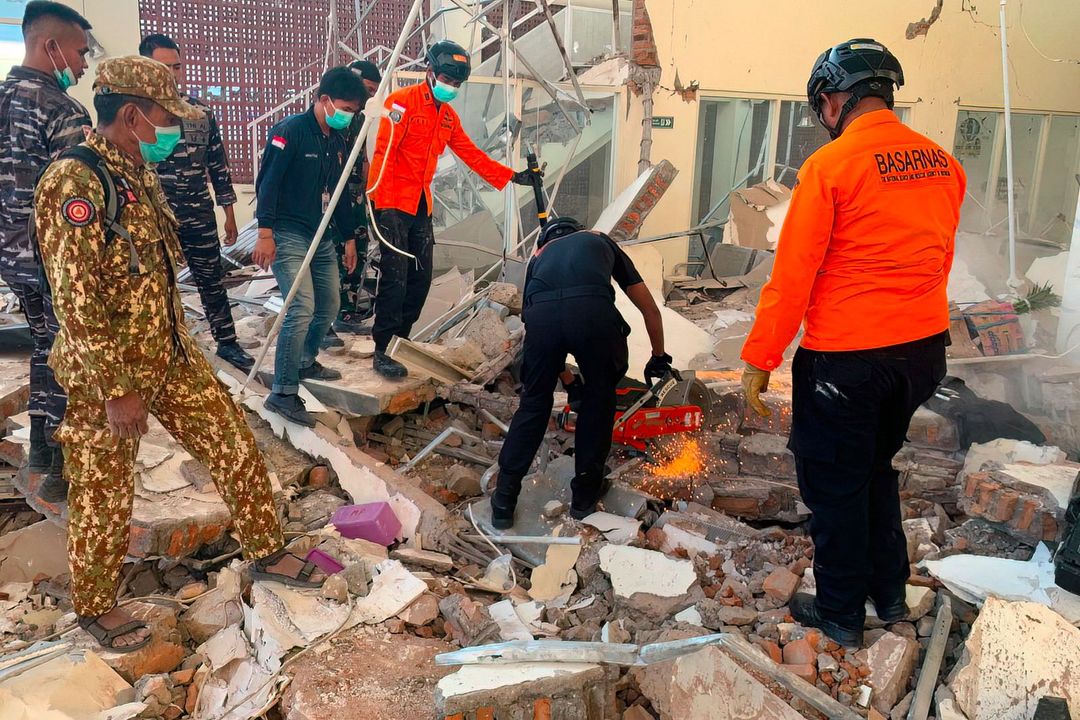
- Core Development: A powerful 7.7-magnitude earthquake off Indonesia's Flores region left two people dead, damaged buildings, and triggered mass evacuations.
- Beat Context: Categorized under World with independent corroboration.
- Reporting Depth: 3 minute analytical read synthesized from verified newsroom sources.
A powerful 7.7-magnitude earthquake struck off the coast of Indonesia's Flores region on Saturday, 15 August 2026, leaving two people dead and triggering widespread evacuations and structural collapses, according to The Guardian, Trtworld, and Thestar. The shallow tremor hit at 5:58 a.m. Local time at a depth of 10 kilometres, with US and Indonesian authorities placing the epicentre approximately 68 kilometres northwest of the coastal town of Ende in East Nusa Tenggara province. The initial jolt was followed by strong aftershocks in the same area, including a 6.1-magnitude tremor.
Disaster agency spokesman Berton Suar Pelita Panjaitan told reporters in Jakarta that two fatalities — comprising a man and a woman — had been reported. Preliminary reports from the Maumere Search and Rescue Agency cited by Thestar indicated at least two residents were injured as buildings collapsed across the region. Panjaitan added that once data are fully confirmed, officials will officially announce the final number of casualties and the full extent of structural damage.
Media additions
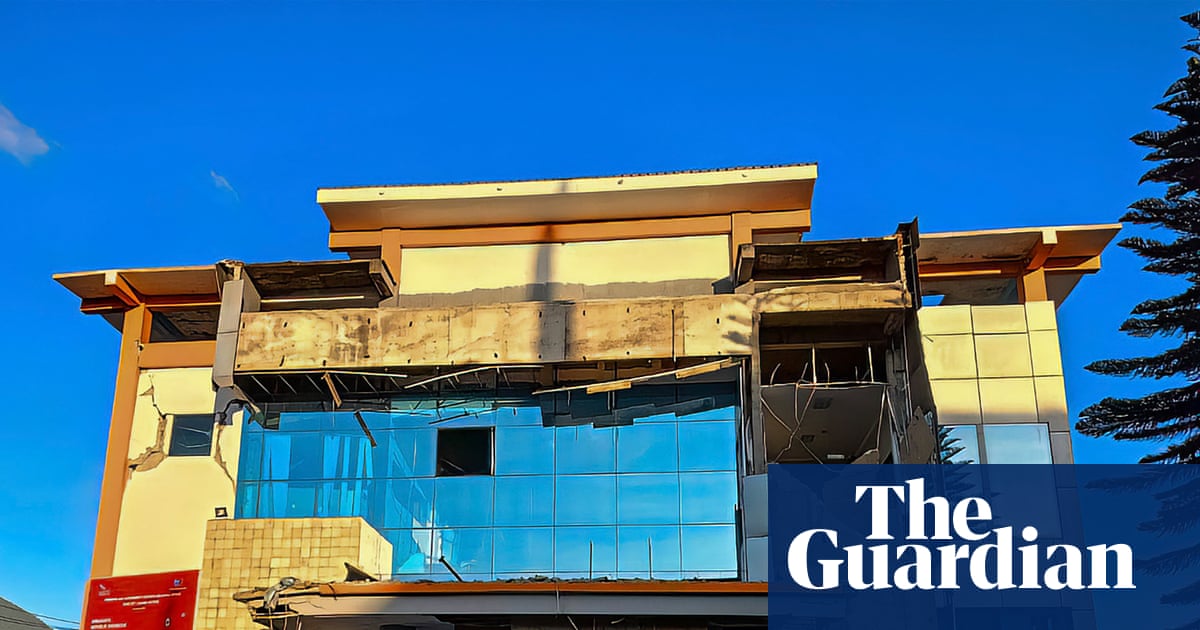
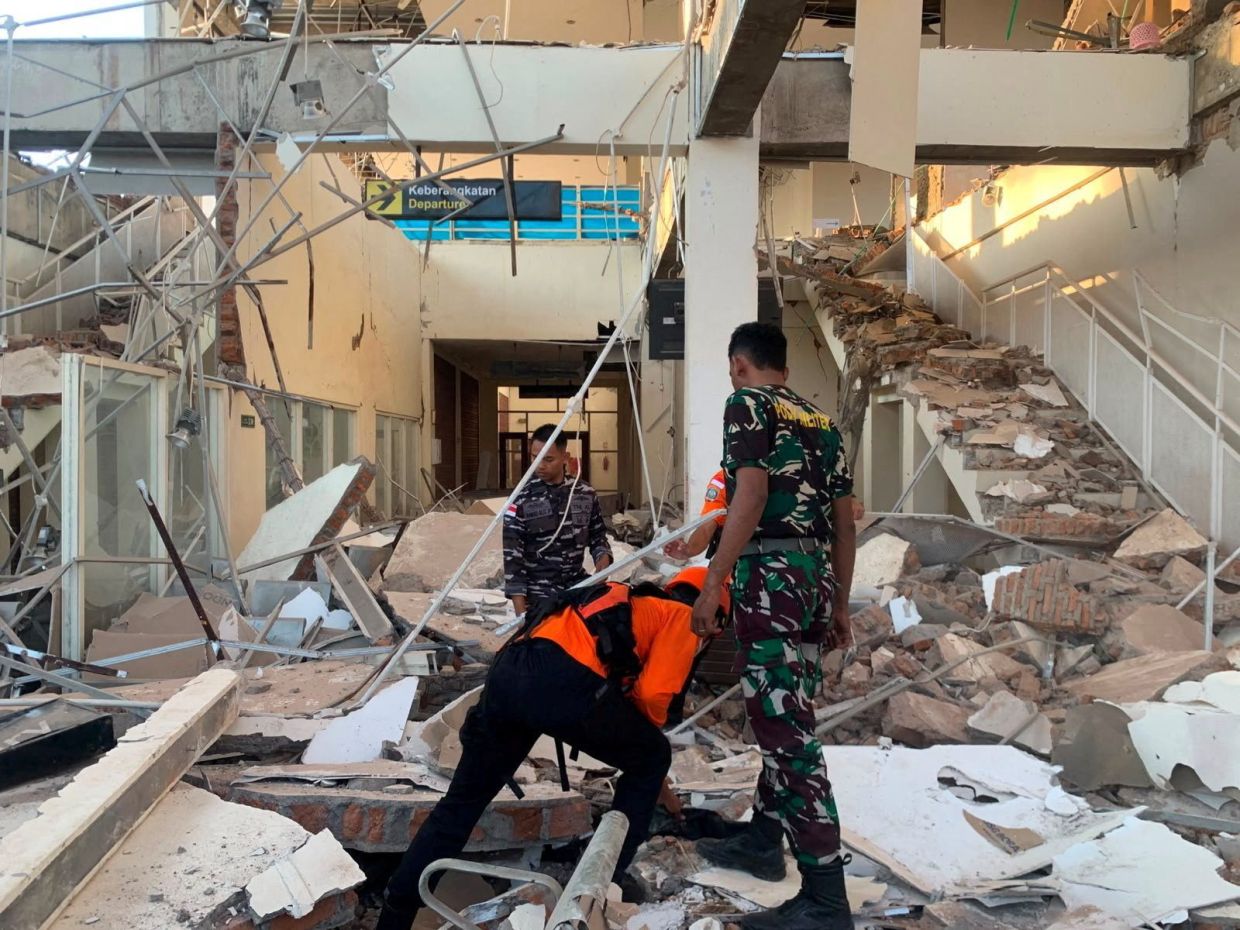
The violent shaking caused mass panic across Flores island. Lukas Lotar, a 31-year-old hospital customer service official and resident of Maumere, described patients fleeing medical facilities as walls cracked. Broadcast footage on local television showed hospital staff moving equipment outdoors, including beds, IV stands, and oxygen cylinders, to establish temporary treatment areas. At St. Peter Major Seminary in Sikka, also known locally as Ritapiret Seminary on the predominantly Catholic island, students attending morning Mass fled as an assembly hall roof collapsed. The rector, the Rev. Guidelbertus Tanga, stated that students and nuns ran out in panic beneath the falling roof, and at least one priest suffered a broken leg after jumping from the second floor of a building during the quake.
Residents in Nagekeo regency, the area closest to the epicentre, raced for higher ground as the sea retreated, which AFP journalists observed as a possible sign of an approaching tsunami. Yohanes Babo, a 56-year-old marketgoer in Nagekeo, described the intense shaking and the subsequent rush toward the hills. Yohanna Embu, a resident of Sikka regency, reported heavy structural damage across the area, noting that the waiting room at the port terminal in Maumere had collapsed. Images broadcast on Indonesian television showed hundreds of people evacuating the area amid the rubble of damaged buildings.
Indonesia's Meteorology, Climatology, and Geophysics Agency (BMKG) promptly issued a tsunami warning for parts of East Nusa Tenggara, West Nusa Tenggara, and South Sulawesi provinces. Abdul Muhari of the national disaster agency, BNPB, urged residents along the northern and southern coasts of Flores and surrounding regions to carry out self-evacuations immediately by moving more than two kilometres inland or ascending hilly areas higher than 10 metres. BMKG earthquake and tsunami director Wijayanto noted that initial modelling suggested potential waves ranging from 0.5 metres to three metres, and authorities reported that tsunami waves between 19 and 30 centimetres were detected. However, the warning was subsequently lifted after monitoring showed no significant sea-level changes posing a threat to coastal communities. Australia’s tsunami warning centre separately confirmed that the undersea earthquake posed no tsunami threat to the Australian mainland, islands, or territories.
The disaster highlights the persistent seismic hazards faced by the vast archipelago of more than 17,000 islands, which sits along the Pacific "Ring of Fire", an arc of intense volcanic and fault-line activity stretching from Japan through Southeast Asia and across the Pacific basin. The region has a history of catastrophic seismic events, including a powerful earthquake and tsunami in December 1992 that killed about 2,500 people on the southeastern island of Flores. Other historic disasters include the devastating 2004 Sumatra quake and tsunami that killed 220,000 throughout the region (including about 170,000 in Indonesia), a 2018 earthquake sequence on Lombok and Sumbawa that killed more than 550 people, and a 7.5-magnitude quake and tsunami in Palu on Sulawesi island later that year that left more than 4,300 people dead or missing.
Authorities stated they will keep monitoring the sea level following the cancellation of the tsunami warning, while disaster management teams continue gathering confirmed data on casualties and structural damage across East Nusa Tenggara province.
How significant is this development?
Contribute your assessment to the aggregated reader sentiment ledger.
Frequently Asked Questions
Key questions answered in this reportWhat is the key development in: Indonesia earthquake leaves two dead and sparks evacuations on Flores island?
A powerful 7.7-magnitude earthquake off Indonesia's Flores region left two people dead, damaged buildings, and triggered mass evacuations.
Why is this World development significant for the UK?
This report covers critical events in our World beat. Independent reporting monitors related UK statements, regulatory shifts, and public responses as further verified details emerge.
How was this reporting corroborated and verified?
Newsarchy UK compiles and cross-references reporting from primary reporting from thestar.com.my and cross-checked wire reports. All coverage adheres to published editorial standards.
When was this report published?
This briefing was published on August 15, 2026 and is permanently cataloged in the Newsarchy UK World archives.