Iran claims strike on US vessel in Strait of Hormuz as fighting escalates
EXECUTIVE BRIEFKey Takeaways & Signal
Core Development: Iran claims it struck an unmanned U.S. vessel entering the Strait of Hormuz, marking a sharp escalation that the U.S. military dismissed as a lie.
Beat Context: Categorized under World with independent corroboration.
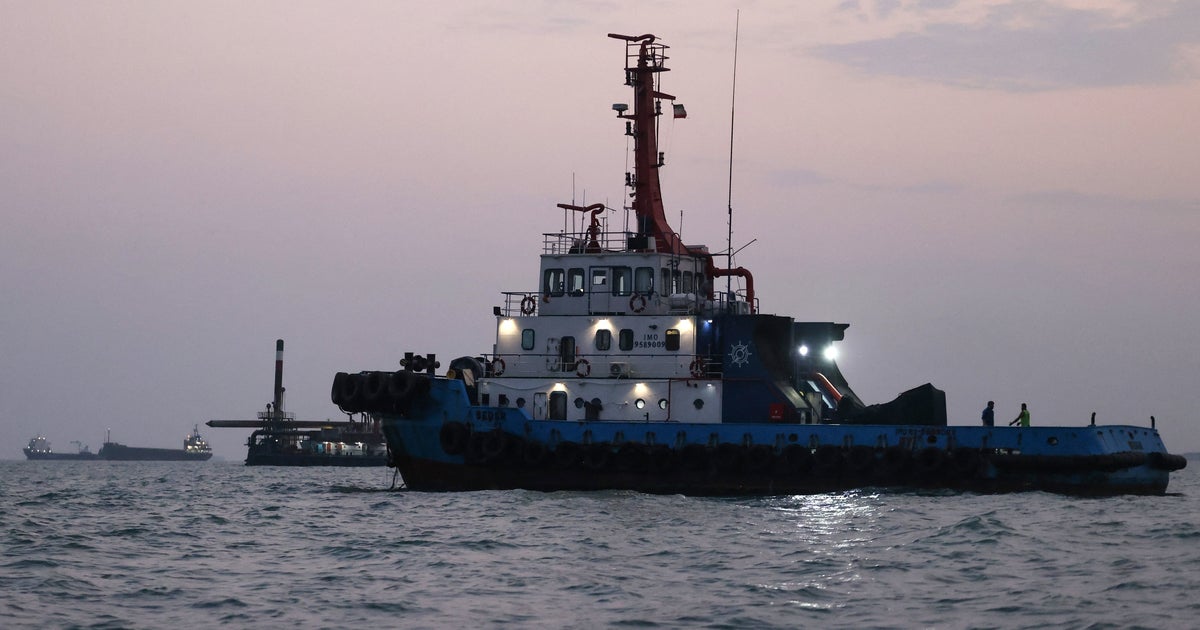
Iran claimed on Sunday that its forces struck an unmanned American vessel attempting to enter the Strait of Hormuz, marking a sharp escalation in renewed hostilities between Tehran and Washington. According to AP News, state-run media in Tehran reported that the unmanned vessel was targeted after trying to enter an area that Iran considers restricted within the vital waterway. The United States military dismissed the assertion entirely, with U.S. Central Command spokesman Capt. Tim Hawkins declaring the report from Iranian state media to be a total lie, as reported by Newsday. The unfolding events continue to rattle international markets, including fuel prices as covered in Wvtm13 coverage, while broader regional instability persists alongside updates detailed in United News of Bangladesh and Ctinsider.
The reported maritime strike occurred just a day after the U.S. Military announced it had struck three Iranian oil tankers. Those American strikes were executed in response to a missile attack launched against U.S. Navy warships. Highlighting the administration's retaliatory posture, Adm. Brad Cooper, head of U.S. Central Command, stated via Wvtm13:
"Let the message to the IRGC be clear: If you shoot at two of our ships, we will impose an even higher economic cost — taking out three of yours."
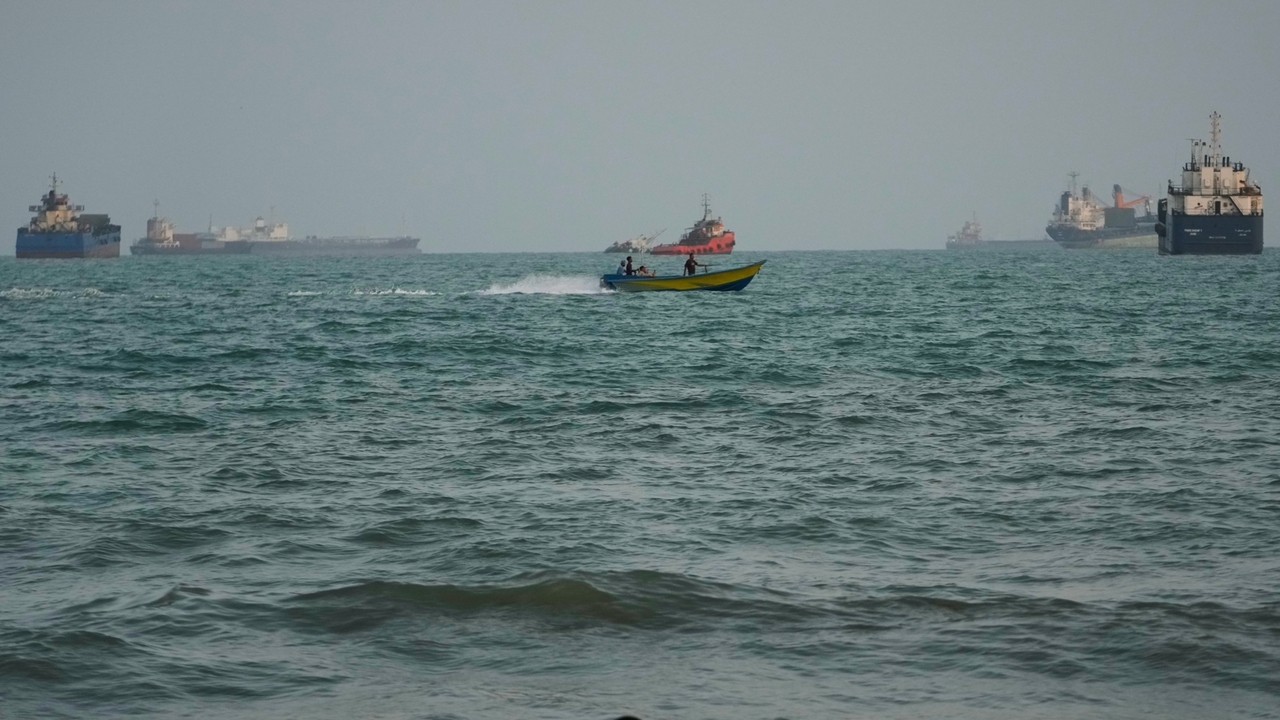
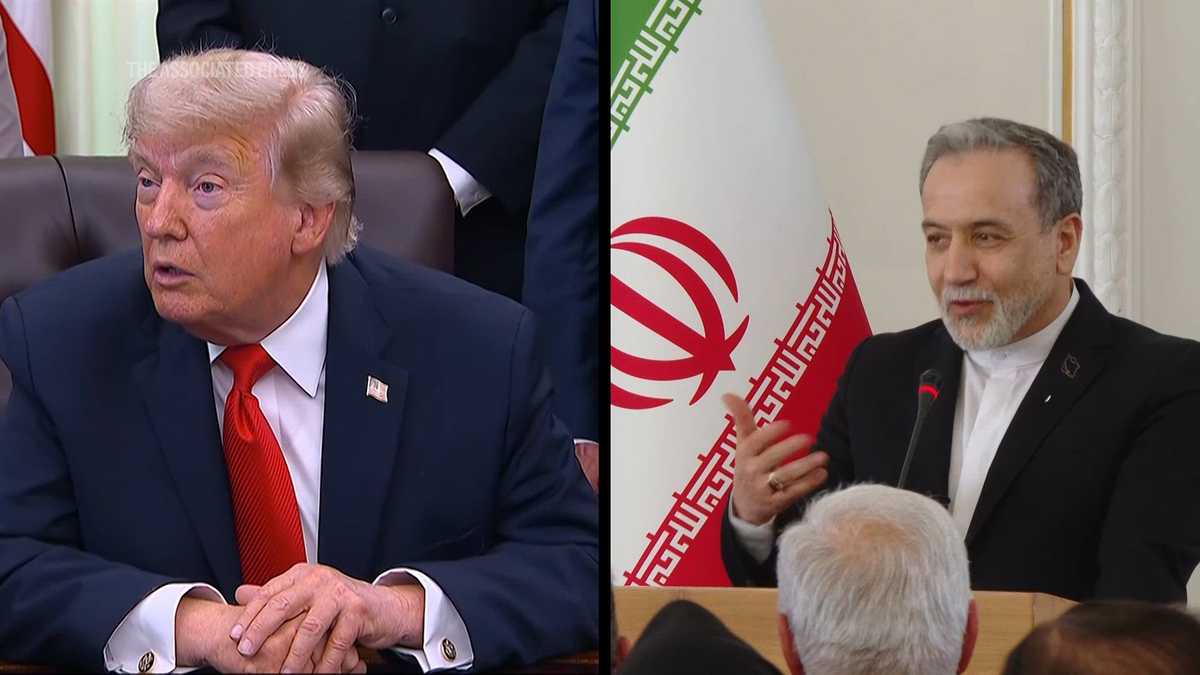
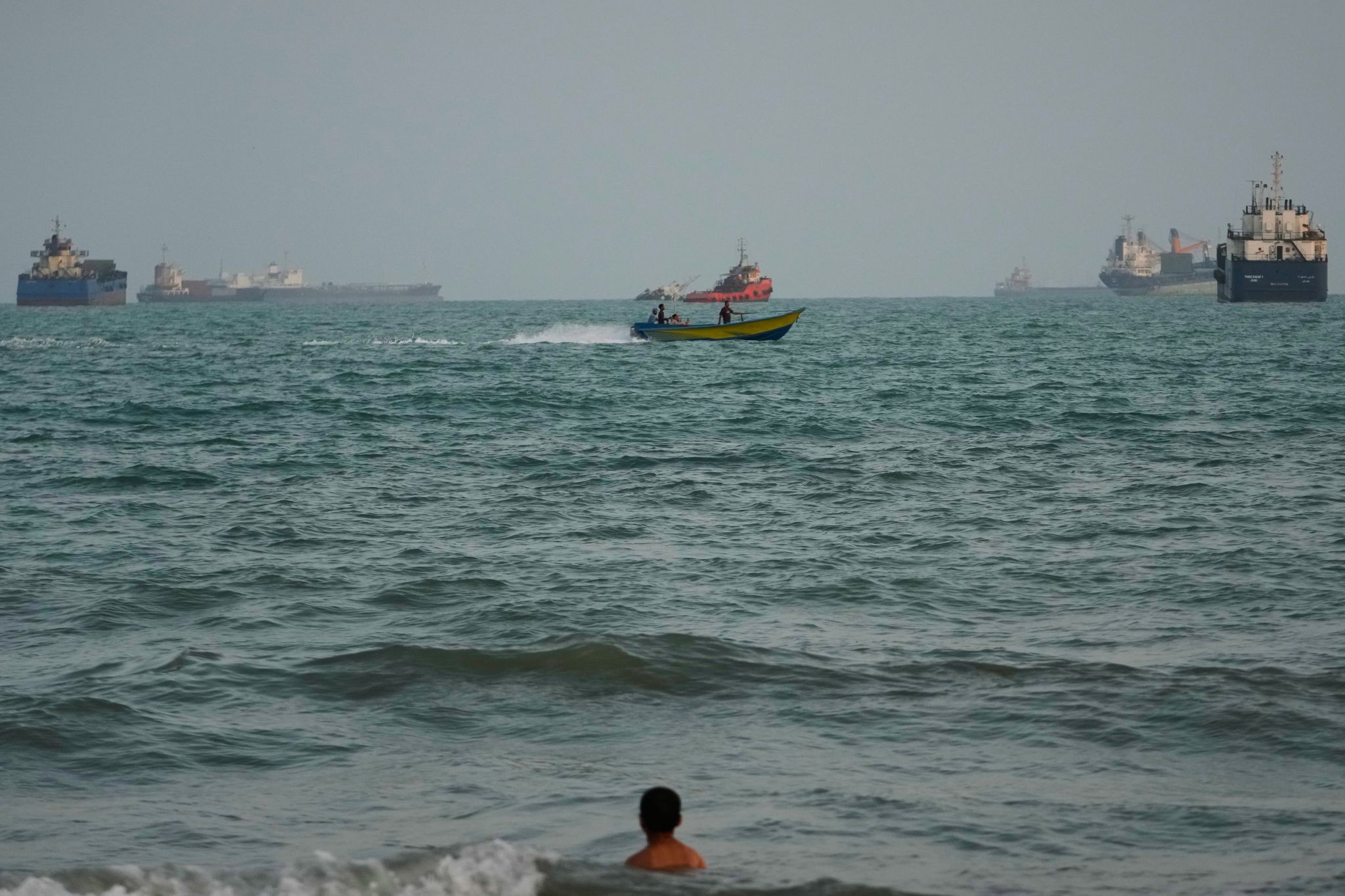
Image via newsday.comImage via wvtm13.comImage via registercitizen.com
Adm. Brad Cooper, Head of U.S. Central Command, via Wvtm13
This exchange shatters a brief period of calm that had settled over the region following a month of relative quiet, demonstrating that the underlying conflict remains deeply volatile.
The wider conflict originated with joint U.S. And Israeli attacks on Iran on February 28. Although a ceasefire agreement was announced in June, intermittent fighting has persisted as both sides attempt to inflict maximum military and economic pain following the collapse of diplomatic negotiations. Last week saw renewed violence targeting both the Strait of Hormuz and surrounding Iranian communities, including a U.S. Bombardment in southern Iran that killed at least five people earlier in the week, according to Huffpost.
The Trump administration has maintained a dual-prong strategy, combining direct military responses to threats in the strait with aggressive financial targeting of foreign institutions handling Iranian capital. Meanwhile, Tehran's hard-line senior leadership has signaled an unwavering willingness to dig in. To bypass the American blockade and ease mounting economic pressures, Iran continues to rely on a shadow fleet of vessels to transport and sell its crude oil to international buyers, as noted in United News of Bangladesh.
Diplomatic channels addressing Tehran's nuclear program have effectively broken down. Negotiations collapsed shortly after both nations signed a memorandum of understanding in mid-June. Consequently, diplomats from the United States, Britain, France, and Germany are seeking to refer Iran to the United Nations Security Council for failing to comply with nonproliferation obligations. Deprived of a functional nuclear dialogue, Tehran has shifted its primary leverage to the Strait of Hormuz—a crucial international waterway vital to global oil and natural gas shipments that has effectively been militarized by the ongoing war.
Conflict Milestone / Metric
Previous Phase (June)
Current Status (September)
Diplomatic Engagement
Ceasefire agreement announced; memorandum of understanding signed
Negotiations collapsed; Western push for U.N. Security Council referral
Strait of Hormuz Status
Viewed as an international waterway subject to reopening
Militarized flashpoint; restricted access and recurring naval skirmishes
Military Actions
Ceasefire period with relative calm
Renewed U.S. Strikes on oil tankers and Iranian communities
The persistent disruption in the Persian Gulf has rippled across international energy markets. According to data tracked by Wvtm13, average retail prices for regular gasoline in the United States have climbed significantly since the outbreak of hostilities in late February, while diesel costs have reached record highs, compounding transportation and consumer goods expenses.
As developments unfold, observers are closely monitoring several critical factors that will shape the trajectory of the conflict:
Whether diplomatic channels can be re-established through third-party intermediaries to secure shipping lanes in the Strait of Hormuz.
The progression of Western diplomatic efforts at the United Nations Security Council regarding Iran's nuclear nonproliferation compliance.
Potential adjustments to U.S. Military deployments and economic sanctions as the conflict enters its sixth month.
Future market stability and fuel price fluctuations tied directly to security conditions along key Middle Eastern maritime trade routes.
With regional tensions remaining exceptionally high and military commands exchanging contradictory accounts of naval engagements, the situation along the Strait of Hormuz continues to threaten broader stability across the Middle East and international shipping networks alike.
READER INTELLIGENCE PULSE
How significant is this development?
Contribute your assessment to the aggregated reader sentiment ledger.
Click an option to register your anonymous assessment.
Frequently Asked Questions
Key questions answered in this report
What is the key development in: Iran claims strike on US vessel in Strait of Hormuz as fighting escalates?
Iran claims it struck an unmanned U.S. vessel entering the Strait of Hormuz, marking a sharp escalation that the U.S. military dismissed as a lie.
Why is this World development significant for the UK?
This report covers critical events in our World beat. Independent reporting monitors related UK statements, regulatory shifts, and public responses as further verified details emerge.
How was this reporting corroborated and verified?
Newsarchy UK compiles and cross-references reporting from primary reporting from apnews.com and cross-checked wire reports. All coverage adheres to published editorial standards.
When was this report published?
This briefing was published on September 6, 2026 and is permanently cataloged in the Newsarchy UK World archives.