Iran conflict widens to Red Sea and Caspian despite US strike pause
The Middle East conflict has expanded toward the Red Sea and Caspian Sea as Houthi forces strike Saudi oil infrastructure and Ukraine targets an Iranian vessel, while the US pauses direct airstrikes.
- Core Development: The Middle East conflict has expanded toward the Red Sea and Caspian Sea as Houthi forces strike Saudi oil infrastructure and Ukraine targets an Iranian vessel, while the US pauses direct airstrikes.
- Beat Context: Categorized under World with independent corroboration.
- Reporting Depth: 3 minute analytical read synthesized from verified newsroom sources.
The Middle East conflict has expanded dramatically toward the Red Sea and the Caspian Sea, according to primary reports by Yahoo News, even as the United States paused its direct airstrikes following a prolonged bombing campaign. That pause in Washington's aerial assault coincides with growing diplomatic maneuvering and acute strategic repositioning across several fronts, fundamentally altering the trajectory of the regional crisis.
The widening hostilities threaten vital energy infrastructure and commercial shipping arteries far beyond the Persian Gulf. According to The Times of India, the United States military suspended its bombing runs after a sustained period of nightly attacks. A senior administration official indicated that diplomacy remains the preferred path for President Donald Trump, though Washington maintains that Iran has been shown the severe consequences of refusing serious negotiations. Simultaneously, the U.S. Naval blockade against Iran remains fully operational, tightening economic pressure while negotiators talk.
Media additions
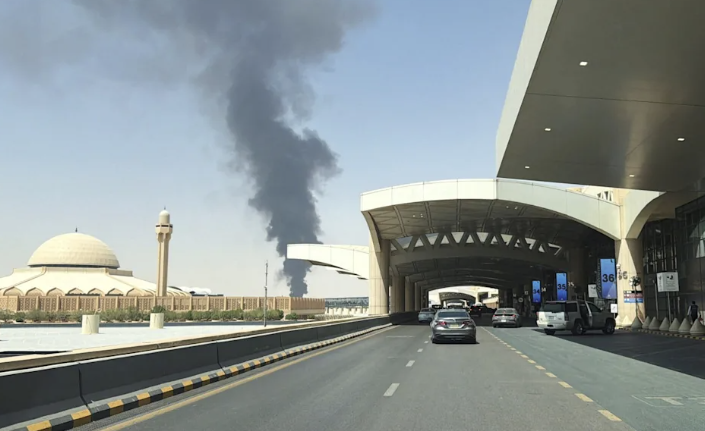
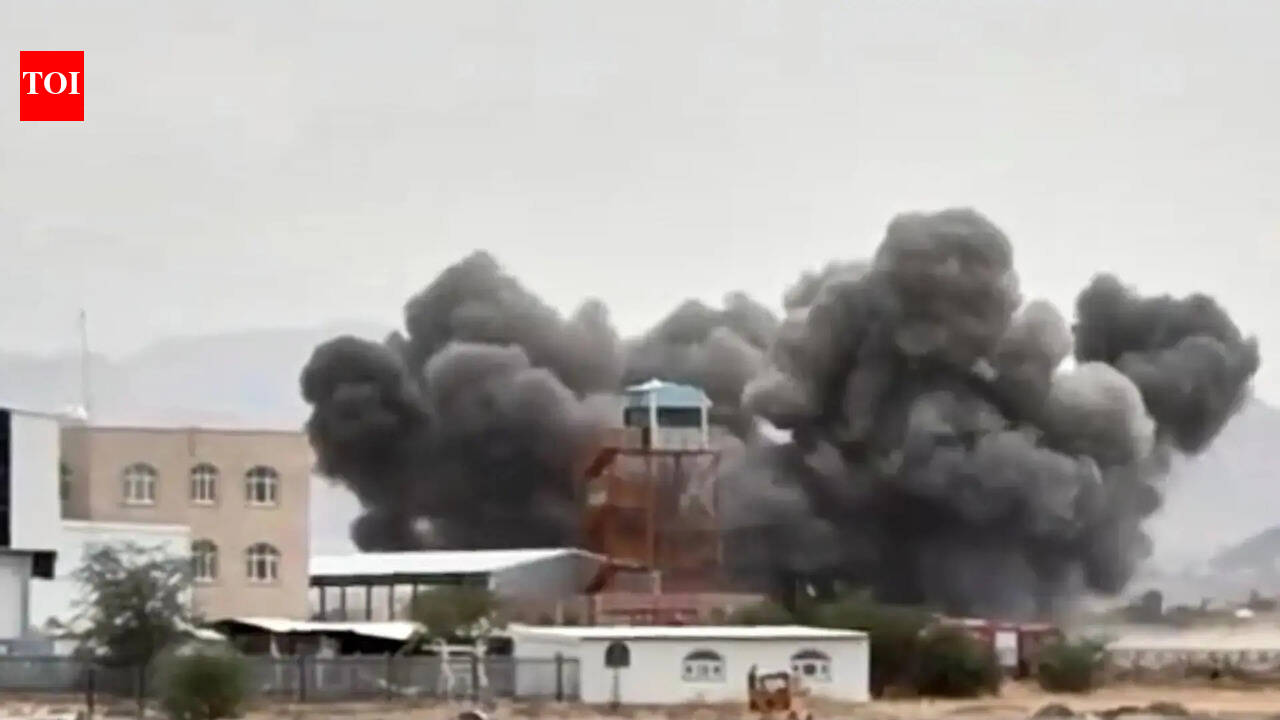
That military pause did little to quell the wider theater of war. Yemen's Iran-backed Houthi forces launched aggressive strikes on Saudi Aramco oil facilities located in Jizan and Yanbu, as reported by Moneycontrol. Video footage captured thick smoke billowing near the Jizan refinery, a critical installation capable of processing massive quantities of crude daily. Meanwhile, a U.S.-made Patriot missile defense system operated by Greek forces successfully intercepted two missiles targeting Yanbu. The Yanbu corridor has served as a crucial bypass route for Saudi oil exports, circumventing the Iranian-enforced blockades within the Strait of Hormuz. A sustained campaign against these alternative energy transit routes threatens to destabilize global supply chains and commercial maritime traffic permanently.
The friction points extend deep into northern waters as well. Iran formally accused Ukraine of executing a targeted attack against an Iranian commercial vessel operating in the Caspian Sea. The resulting explosion claimed the life of one sailor and left another injured. Ukrainian President Volodymyr Zelenskyy asserted that Kyiv conducted robust long-range strikes in the Caspian theater, specifically targeting vessels and a warship involved in carrying Iranian military cargo. Tehran strongly condemned the strike as a hostile and criminal act, summoning Ukraine’s charge d’affaires in response. Furthermore, Zelenskyy claimed that Russia has actively supported Iranian military operations by sharing crucial satellite intelligence regarding Gulf nations and U.S. Military installations.
Tensions remain exceptionally high around the Strait of Hormuz itself. Brigadier General Mohammad Reza Akraminia stated that Iranian forces positioned U.S. Military bases in Jordan, Kuwait, and Bahrain at the center of their retaliatory operations. Iranian officials accused Washington of deliberately breaching a prior memorandum of understanding by attempting to institute an unauthorized shipping corridor through the strategic waterway. Iranian Foreign Minister Abbas Araghchi argued that U.S. Forces intentionally redirected commercial traffic away from designated Iranian safe transit zones. Conversely, regional sources indicate that parallel diplomatic channels involving Oman and Iran have shown tangible progress toward reopening the vital maritime choke point.
Financial fallout from the prolonged instability continues to ripple outward. Broader economic crosscurrents are evident in global markets, where analysts are monitoring fiscal pressures and currency movements. Independent of immediate Middle Eastern skirmishes, broader economic strategies—such as Japan's planned investment-led growth blueprints evaluated by Deutsche Bank analysts—reflect a global environment characterized by heightened sensitivity to external shocks and debt management challenges.
Flashpoints in the Widened Conflict
- Red Sea Corridor: Houthi missile and drone strikes target critical Saudi energy infrastructure in Jizan and Yanbu, threatening alternative oil export routes.
- Caspian Sea Theater: Kyiv targets Iranian military cargo shipments and a warship, drawing sharp condemnation from Tehran.
- Strait of Hormuz: Ongoing disputes over naval blockades and alternative shipping lanes run parallel to exploratory diplomatic talks mediated via regional partners.
- Retaliatory Posturing: Iranian leadership points to U.S. Facilities across neighboring Gulf states as primary targets amidst an existential framing of the conflict.
As the situation develops, international observers and maritime authorities will track whether the tentative pause in direct U.S. Airstrikes evolves into a lasting diplomatic breakthrough or merely serves as a tactical regrouping before hostilities intensify further. Ongoing talks between regional diplomats and Washington's next moves regarding the naval blockade will dictate the immediate future of global energy security.
How significant is this development?
Contribute your assessment to the aggregated reader sentiment ledger.
Frequently Asked Questions
Key questions answered in this reportWhat is the key development in: Iran conflict widens to Red Sea and Caspian despite US strike pause?
The Middle East conflict has expanded toward the Red Sea and Caspian Sea as Houthi forces strike Saudi oil infrastructure and Ukraine targets an Iranian vessel, while the US pauses direct airstrikes.
Why is this World development significant for the UK?
This report covers critical events in our World beat. Independent reporting monitors related UK statements, regulatory shifts, and public responses as further verified details emerge.
How was this reporting corroborated and verified?
Newsarchy UK compiles and cross-references reporting from primary reporting from timesofindia.indiatimes.com and cross-checked wire reports. All coverage adheres to published editorial standards.
When was this report published?
This briefing was published on July 26, 2026 and is permanently cataloged in the Newsarchy UK World archives.