Isar Aerospace reaches orbit in historic first commercial launch from Europe
German startup Isar Aerospace has successfully reached low Earth orbit on its second test flight, deploying payloads from Arctic Norway.

- Core Development: German startup Isar Aerospace has successfully reached low Earth orbit on its second test flight, deploying payloads from Arctic Norway.
- Beat Context: Categorized under World with independent corroboration.
- Reporting Depth: 3 minute analytical read synthesized from verified newsroom sources.
A German aerospace startup has accomplished what no private European company achieved before. According to Isar Aerospace and the European Space Agency, the uncrewed Spectrum rocket successfully reached low Earth orbit and deployed its payloads on Saturday, September 5, 2026. This milestone is a notable breakthrough for European spaceflight, which has historically relied heavily on launch sites outside Europe and on competitors such as SpaceX.
The Munich-based startup lifted off from the Andøya Spaceport in northern Norway. The mission, dubbed 'Onward and Upward', carried five CubeSats and a technology experiment. This triumph comes eighteen months after the company's maiden flight in March 2025 ended prematurely when the vehicle was terminated after roughly thirty seconds and fell into the sea in a controlled manner from the same Norwegian site.
Media additions

European leaders immediately celebrated the breakthrough. German Chancellor Friedrich Merz wrote on X that the milestone represents the beginning of a new era, stating, Das erste Mal vom europäischen Kontinent aus in die Erdumlaufbahn. Das ist der Beginn einer neuen era.
EU defense and space commissioner Andrius Kubilius stated that Europe's independent access to space received a major boost, while Norwegian Industry and Trade Minister Cecilie Myrseth emphasized that orbital launch capabilities from Andøya strengthen both Norwegian and European security amid heightened geopolitical tensions.
The success arrives at a critical juncture for the continent's space strategy. For years, European institutions have relied heavily on launch sites outside Europe and on competitors like SpaceX. European governments have grown increasingly wary of depending on US-owned infrastructure for access to space and communications, particularly as Starlink connectivity has expanded in conflict zones.
Chief Commercial Officer Stella Guillen told CNBC that the space industry is desperate for additional launch capacity. The demand is so big,
Guillen told CNBC's "Squawk Box Europe," noting that new constellations and projects have emerged and are financed. Isar Aerospace currently maintains a pipeline worth more than ten billion euros, though the startup did not immediately clarify how much of that represents contracted orders. Defense customers represent approximately sixty percent of the company's order book, and Isar's launch capacity is fully booked through 2028.
| Company / Vehicle | Origin | Key Specifications & Status |
|---|---|---|
| Isar Aerospace Spectrum | Germany | 28-metre, two-stage rocket; reached orbit on second flight from Andøya Spaceport. |
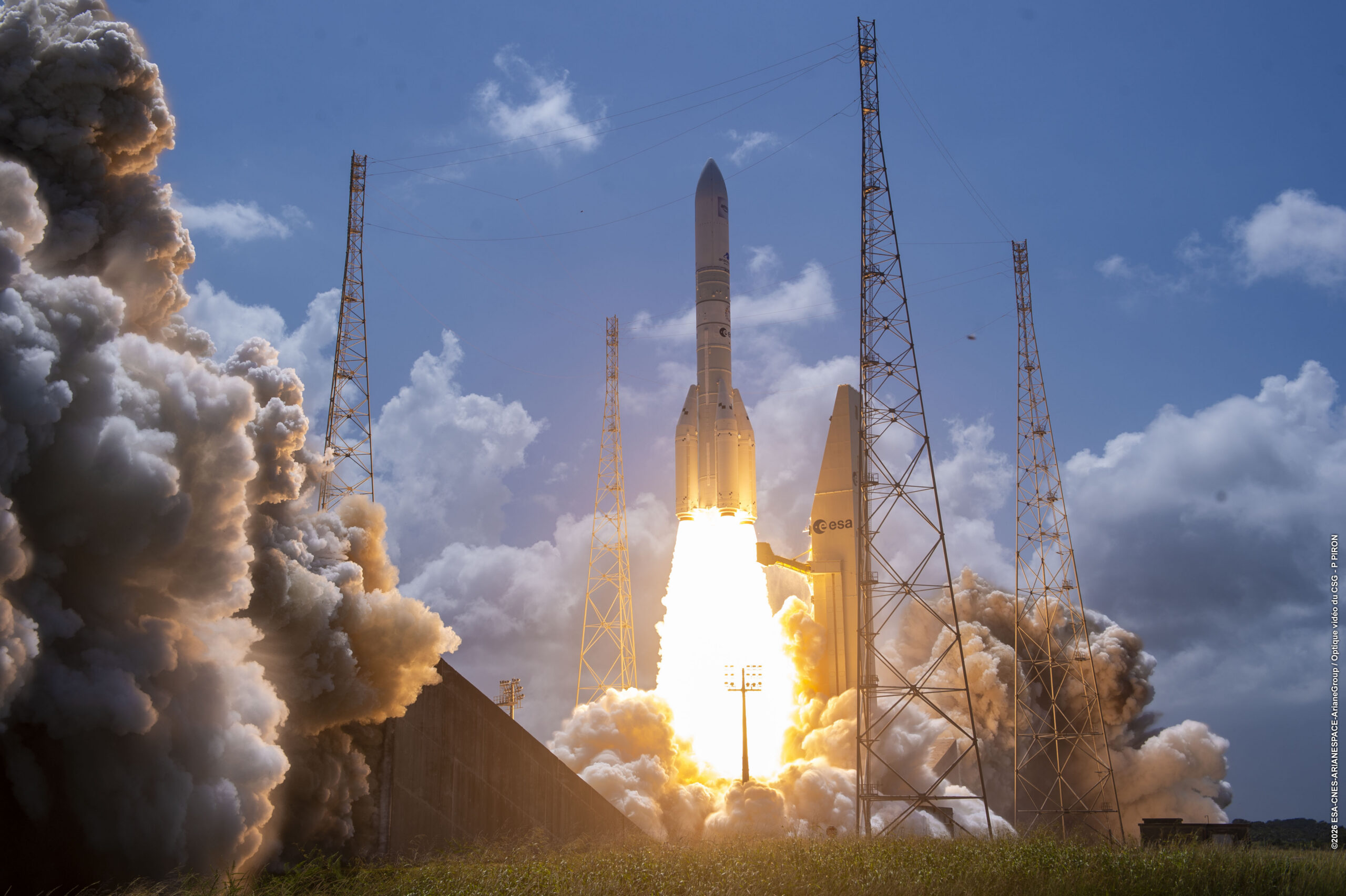
| Arianespace Ariane 64 | Europe | Europe's largest rocket, recently debuted with a commercial satellite launch. |
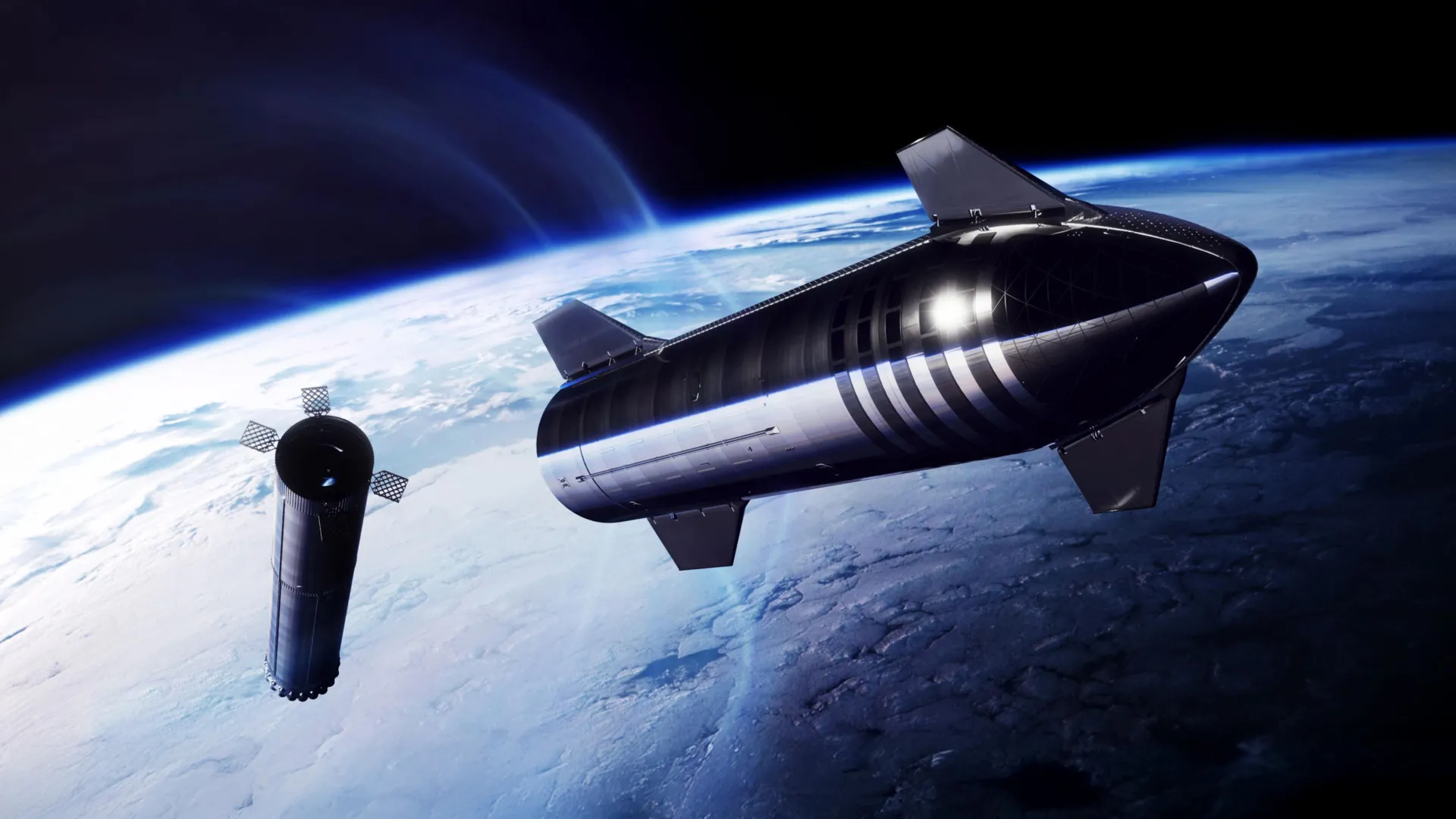
| SpaceX Starship | United States | Heavy-lift, fully reusable vehicle capable of massive payloads. |
Founded in 2018 by Daniel Metzler, Josef Fleischmann, and Markus Brandl out of the Technical University of Munich, the privately held firm has attracted prominent investors including Porsche, Lakestar, HV Capital, and the NATO Innovation Fund. The company secured a substantial financing boost through a Series D funding round in June to scale production and expand its global launch network, alongside previous backing from the European Space Agency under the European Launcher Challenge.
While Isar's scale remains dwarfed by U.S. Competitors, the startup is bringing a new 40,000-square-metre facility near Munich online as it scales production. Chief executive Daniel Metzler said that access to space remains one of the biggest constraints for the industry, and that the privately owned firm remains well funded while a stock market listing is not on the table for now. The company eventually targets up to forty launches annually.
Sustaining this launch cadence will ultimately determine whether Europe has made meaningful progress toward independent space access or merely completed a first step. Additional context highlights how emerging regional providers are racing to close the gap as Europe’s satellite launch ambitions take off.
How significant is this development?
Contribute your assessment to the aggregated reader sentiment ledger.
Frequently Asked Questions
Key questions answered in this reportWhat is the key development in: Isar Aerospace reaches orbit in historic first commercial launch from Europe?
German startup Isar Aerospace has successfully reached low Earth orbit on its second test flight, deploying payloads from Arctic Norway.
Why is this World development significant for the UK?
This report covers critical events in our World beat. Independent reporting monitors related UK statements, regulatory shifts, and public responses as further verified details emerge.
How was this reporting corroborated and verified?
Newsarchy UK compiles and cross-references reporting from primary reporting from MIT Technology Review and cross-checked wire reports. All coverage adheres to published editorial standards.
When was this report published?
This briefing was published on September 7, 2026 and is permanently cataloged in the Newsarchy UK World archives.


