Israel election ends in stalemate as Netanyahu and Eisenkot blocs fall short
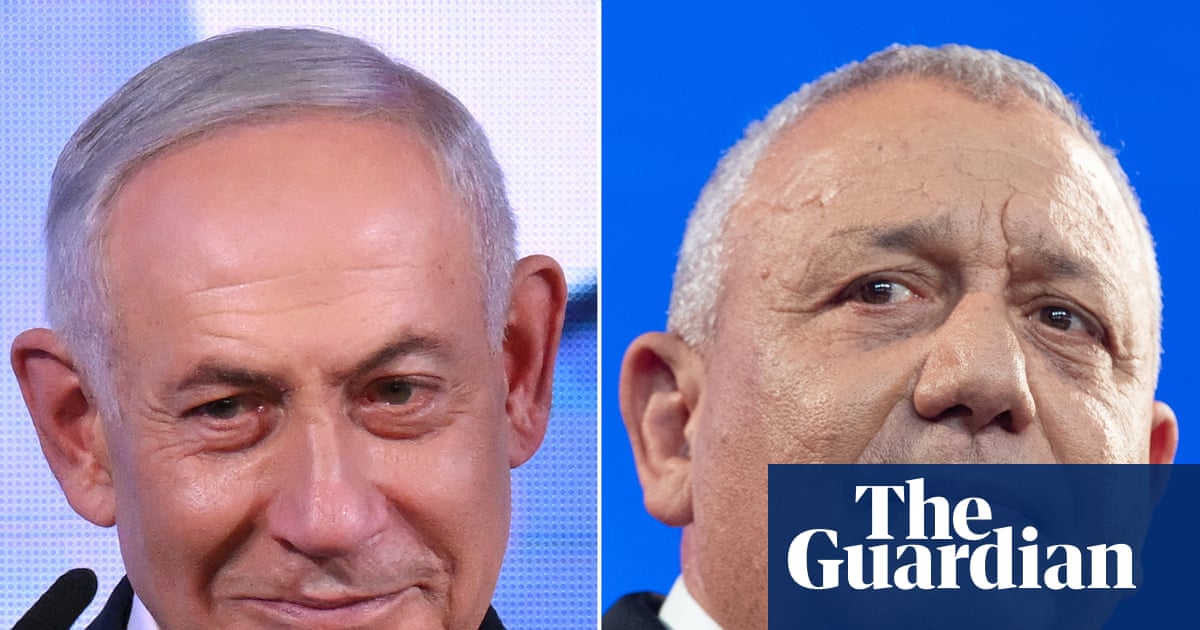
Israel's national election has ended in an inconclusive stalemate as both Benjamin Netanyahu and Gadi Eisenkot fell short of a majority in the Knesset.
- Core Development: Israel's national election has ended in an inconclusive stalemate as both Benjamin Netanyahu and Gadi Eisenkot fell short of a majority in the Knesset.
- Beat Context: Categorized under World with independent corroboration.
- Reporting Depth: 4 minute analytical read synthesized from verified newsroom sources.
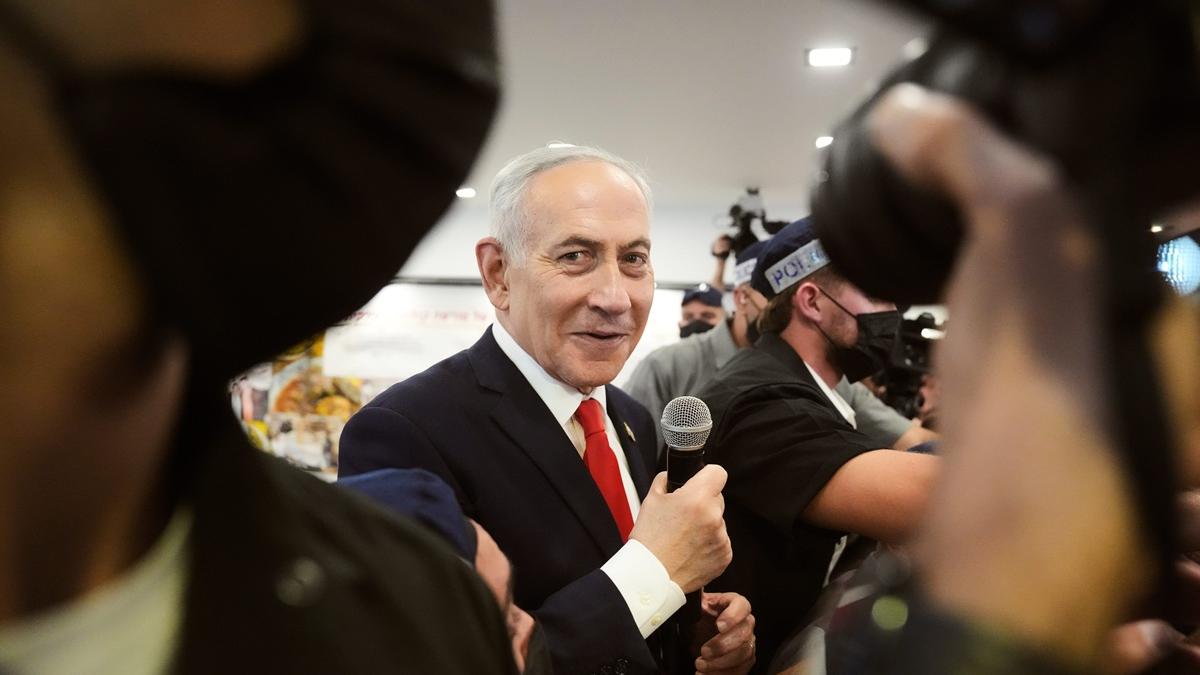
Israel faces a fresh political stalemate after a high-stakes national election concluded without either major political alliance securing the decisive majority required to govern. Voting closed at 10 p.m. Local time on Tuesday, NewsCord reported, following a campaign that drew a turnout of 77.7%, the highest recorded level in decades according to the Central Elections Committee cited by Latest news from Azerbaijan. As vote counting proceeded through Wednesday, partial returns showed Prime Minister Benjamin Netanyahu’s right-wing bloc edging ahead of the opposition alliance led by retired general Gadi Eisenkot, yet both camps remained well short of the 61 seats needed in the 120-member Knesset to form an outright government, as detailed by The Guardian.
The inconclusive outcome plunges the country into familiar political limbo. Under Israeli electoral mechanics, citizens vote for parties rather than individual candidates, and because no single faction has ever captured an outright parliamentary majority, governance invariably depends on complex coalition-building. Netanyahu currently remains in office as an interim caretaker prime minister, a role he is expected to maintain while negotiations drag on for weeks. According to Mathrubhumi English, Likud led the single-party tallies with 21.4% of the vote with 60% counted, while Eisenkot’s Yashar party stood at 16.2%. As counting advanced past 70%, Netanyahu’s bloc gained ground, bolstered by absentee ballots including votes cast by deployed soldiers. The military confirmed that final turnout among Israel Defense Forces personnel reached 79.9%, representing an increase compared to the previous vote in 2022, with polling stations deployed across military bases, the Gaza Strip, Lebanon, and Syria.
Media additions

Financial markets reacted swiftly to the ongoing uncertainty. Latest news from Azerbaijan reported that shares on the Tel Aviv Stock Exchange declined, with the TA-125 benchmark index slumping 1.7% and the shekel weakening against the dollar as investors awaited finalized tallies to gauge the direction of future economic and fiscal policy.
| Bloc or Party Group | Exit Poll Projections | Partial Results Status |
|---|---|---|
| Netanyahu Right-Wing Bloc | 50 to 52 seats | Edging ahead in counts (up to 54–56 seats in varying partial tallies) |
| Eisenkot Opposition Bloc | 49 to 53 seats | Trailing in ongoing counts (around 49 seats) |
| Arab-Led Parties (Joint List & Ra’am) | 17 to 19 seats | Projected record showing, holding potential kingmaker status |
The political arithmetic places extraordinary leverage on the Arab-led parties, the Joint List and Ra’am, which surged to a projected 16 to 19 seats amid high turnout among Palestinian citizens of Israel. Both Netanyahu and Eisenkot had previously ruled out formal partnerships with Arab factions during a febrile campaign marked by sharp rhetoric and heightened polarization. Yet Yair Golan, leader of the center-left Democrats party within Eisenkot's opposition alliance, publicly urged his allies to reconsider, posting on X that Anyone who tries to erase the votes of Arab citizens is surrendering to Netanyahu and giving up on Israel
as reported by The Guardian. Similarly, Joint List leader Yousef Jabareen asserted that his party’s strong performance meant it can’t be ignored under any political scenario
and expressed readiness to help oust the incumbent administration, according to The Guardian and Mathrubhumi English.
International reactions and regional implications accompanied the tallying process. US President Donald Trump claimed credit for Netanyahu’s stronger-than-expected performance, telling reporters aboard Air Force One that his public endorsement helped him a lot
(The Guardian and Latest news from Azerbaijan). Meanwhile, Eisenkot issued a direct warning to the prime minister, telling supporters that the public had voted for change and cautioning Netanyahu not to use Israel’s security for your political needs
(Latest news from Azerbaijan and Mathrubhumi English). Political commentators noted the heavy psychological weight of the election, which unfolded against ongoing conflict in Gaza, the West Bank, and wider regional tensions.
With official results expected to be finalized by Thursday according to the Israel Central Elections Committee cited by NewsCord, attention turns toward the official state machinery. President Isaac Herzog stated that he would soon begin formal consultations with every faction leader in the Knesset. Herzog emphasized a firm desire to prevent another electoral cycle, declaring we must do everything we can... to avoid another round of elections
(BBC). Once consultations conclude, the president will grant the chosen candidate a window of up to six weeks to assemble a functioning coalition.
How significant is this development?
Contribute your assessment to the aggregated reader sentiment ledger.
Frequently Asked Questions
Key questions answered in this reportWhat is the key development in: Israel election ends in stalemate as Netanyahu and Eisenkot blocs fall short?
Israel's national election has ended in an inconclusive stalemate as both Benjamin Netanyahu and Gadi Eisenkot fell short of a majority in the Knesset.
Why is this World development significant for the UK?
This report covers critical events in our World beat. Independent reporting monitors related UK statements, regulatory shifts, and public responses as further verified details emerge.
How was this reporting corroborated and verified?
Newsarchy UK compiles and cross-references reporting from primary reporting from Latest news from Azerbaijan and cross-checked wire reports. All coverage adheres to published editorial standards.
When was this report published?
This briefing was published on October 28, 2026 and is permanently cataloged in the Newsarchy UK World archives.