Israeli opposition bloc weighs direct prime minister elections to break deadlock
Israel's opposition is considering legislation to introduce direct prime ministerial elections to break a parliamentary stalemate following a fractured national vote.
- Core Development: Israel's opposition is considering legislation to introduce direct prime ministerial elections to break a parliamentary stalemate following a fractured national vote.
- Beat Context: Categorized under World with independent corroboration.
- Reporting Depth: 3 minute analytical read synthesized from verified newsroom sources.
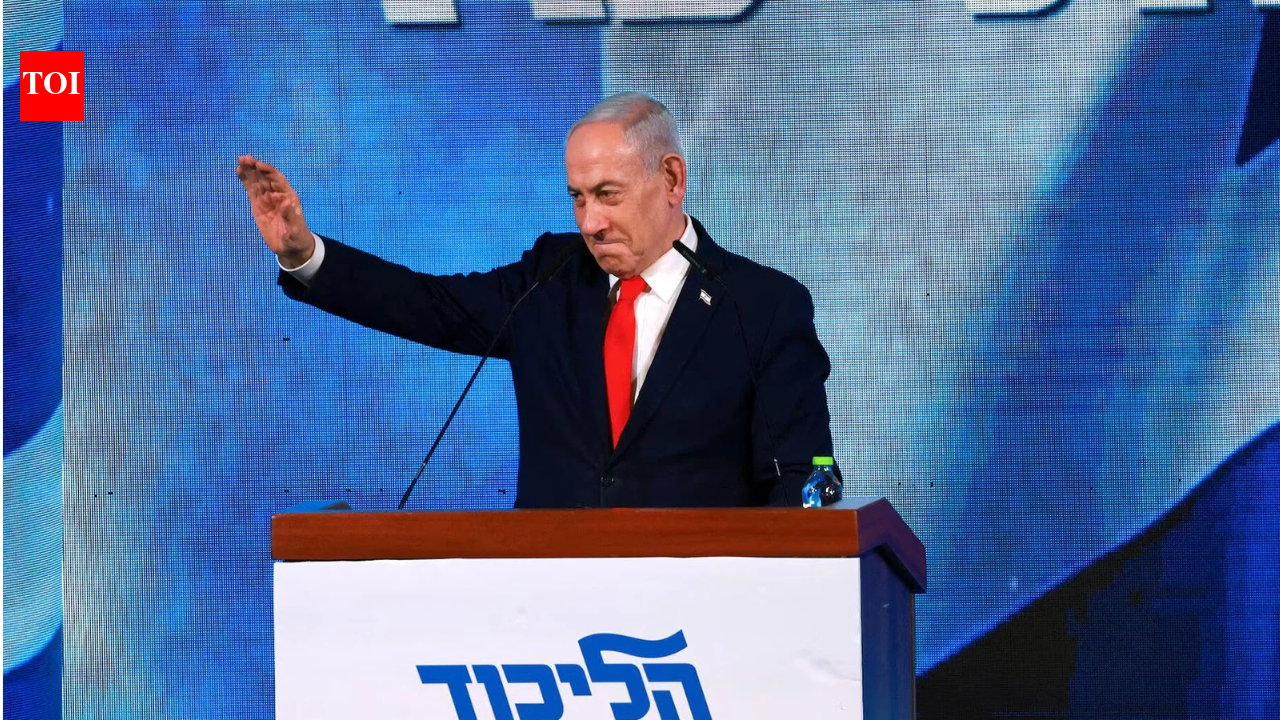
Parties within Israel's opposition bloc are actively considering advancing legislation to introduce direct elections for prime minister, seeking a dramatic maneuver to break the prolonged political deadlock following the national vote held on Tuesday. According to reporting covered by Report, the proposed mechanism would allow voters to cast ballots for the premier separately from the broader government lineup, potentially providing a route to form a minority administration without depending on the parliamentary backing of Arab factions.
The definitive distribution of parliamentary seats leaves both major camps short of the 61-seat threshold required for a governing majority in the 120-seat Knesset. As reported by ANI News, Prime Minister Benjamin Netanyahu's right-wing bloc secured 53 seats, whereas the principal opposition coalition led by Gadi Eisenkot won 48 seats. Meanwhile, Arab-led parties achieved a historic milestone by capturing 19 seats, driven by an organic voter surge that nearly doubled previous participation rates as citizens voiced fierce opposition to the incumbent administration and its far-right allies.
Media additions

| Political Grouping / Alliance | Seat Count (2026 Election) |
|---|---|
| Netanyahu Bloc (Likud and Allies) | 53 |
| Opposition Bloc (Led by Gadi Eisenkot) | 48 |
| Arab-Led Parties (Ra'am and Joint List) | 19 |
Implementing direct elections for prime minister would require a substantial legislative amendment to Israel's quasi-constitutional Basic Law: The Government, which presently dictates that any prospective administration must win a formal vote of confidence inside the 120-seat Knesset before taking office. Under the contemplated system, a victorious premier could theoretically form a minority government free from standard legislative constraints. A similar proposal was previously floated by Netanyahu himself following the inconclusive parliamentary ballot in March 2021.
The political maneuvering comes against a backdrop of deep friction regarding coalition arithmetic. At the same time, The New York Times noted that civil society demonstrations organized by movements such as Standing Together have drawn crowds in cities like Tel Aviv and Jerusalem to demand that opposition leaders honor the electoral outcome through Jewish-Arab collaboration.
Compounding the legislative turbulence, Netanyahu and his Likud allies amplified unsubstantiated allegations concerning electoral integrity and foreign interference hours before official tallies were finalized. The head of Israel's Central Elections Committee, Supreme Court Justice Noam Sohlberg, referred the matter to the Shin Bet security agency for investigation, though acting director general Dean Livne stressed that reports concerning systematic violations were entirely unfounded and would not alter the certified results.
As NewsCord reported, the final certified tally is scheduled for formal submission to President Isaac Herzog. Following delivery of the results, President Herzog will meet with individual party leaders to ascertain which candidate possesses the most viable path toward assembling a governing coalition before the newly elected Knesset is formally sworn in.
How significant is this development?
Contribute your assessment to the aggregated reader sentiment ledger.
Frequently Asked Questions
Key questions answered in this reportWhat is the key development in: Israeli opposition bloc weighs direct prime minister elections to break deadlock?
Israel's opposition is considering legislation to introduce direct prime ministerial elections to break a parliamentary stalemate following a fractured national vote.
Why is this World development significant for the UK?
This report covers critical events in our World beat. Independent reporting monitors related UK statements, regulatory shifts, and public responses as further verified details emerge.
How was this reporting corroborated and verified?
Newsarchy UK compiles and cross-references reporting from primary reporting from The New York Times and cross-checked wire reports. All coverage adheres to published editorial standards.
When was this report published?
This briefing was published on October 31, 2026 and is permanently cataloged in the Newsarchy UK World archives.