Israeli strikes on southern Lebanon kill 11 in worst toll since June truce
A series of deadly Israeli airstrikes in southern Lebanon left 11 people dead, shattering weeks of relative calm and marking the highest death toll since the summer truce.
- Core Development: A series of deadly Israeli airstrikes in southern Lebanon left 11 people dead, shattering weeks of relative calm and marking the highest death toll since the summer truce.
- Beat Context: Categorized under World with independent corroboration.
- Reporting Depth: 3 minute analytical read synthesized from verified newsroom sources.
A series of deadly Israeli airstrikes struck southern Lebanon, leaving 11 people dead in the highest death toll recorded since a summer truce temporarily quieted hostilities between Israel and Hezbollah. The escalation shattered weeks of relative calm and triggered an immediate exodus from the affected districts, even as regional friction boiled over across multiple fronts from the Persian Gulf to the Red Sea.
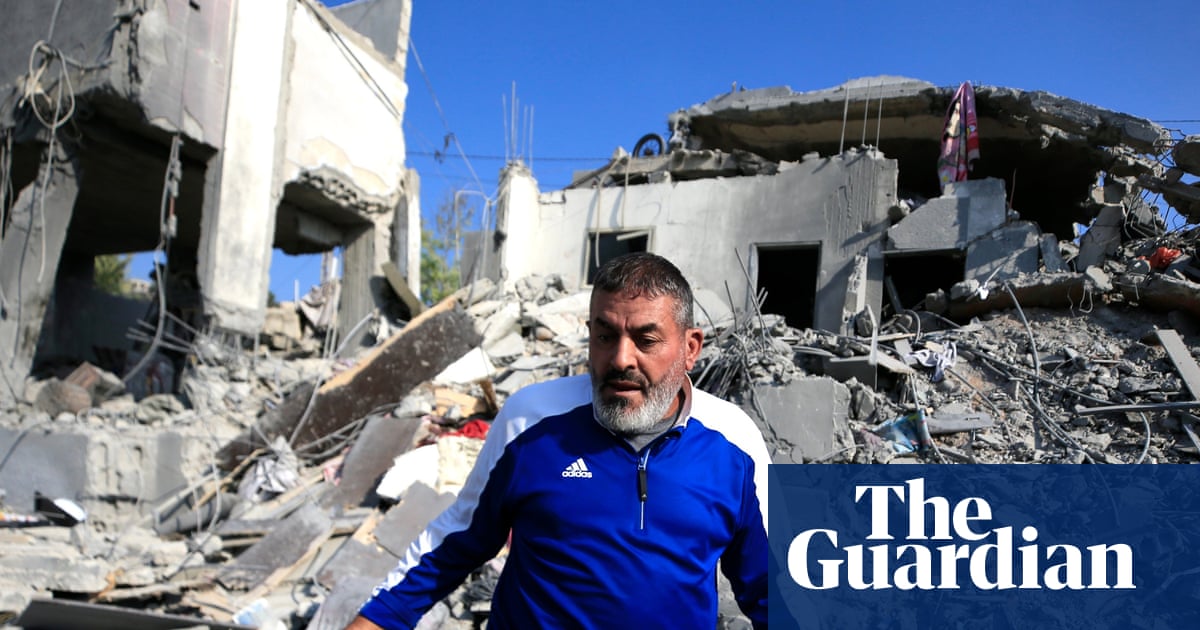
The first major strike hit a residential home on the outskirts of the village of Ansar, flattening the building and killing seven people, according to The Guardian. Hours later, a second airstrike struck a house in Deir al-Zahrani, killing four individuals and leaving streets covered in smoke and debris, as reported by Ksat. State media outlets and health officials confirmed that the dead included three children and two women, marking the deadliest single day of violence since the June framework agreements.
Media additions


The Israel Defense Forces defended the operation by stating that warplanes targeted Hezbollah infrastructure in response to a cross-border attack against Israeli soldiers operating within a self-declared security zone. According to statements from Prime Minister Benjamin Netanyahu's office, three Israeli soldiers were seriously injured in the initial Hezbollah action. The military specifically asserted that the strikes eliminated Ali Samir Al-Haj Hassan, described as a battalion commander in Hezbollah's elite Radwan Force. Israeli officials claimed the commander utilized his family as human shields inside a military headquarters, maintaining that the family members were not the intended targets.
Lebanese leaders roundly condemned the bloodshed. Prime Minister Nawaf Salam rejected Israel's justification, stating that the victims were ordinary civilians rather than military targets and demanding an immediate halt to the bombardment. Meanwhile, Hezbollah vowed a decisive retaliation against the attacks. The group also directed criticism toward the Lebanese government, accusing state authorities of undermining national sovereignty by participating in U.S.-led diplomatic initiatives.
The violence in Lebanon coincided with a broader regional flare-up documented by Yahoo News. The United Arab Emirates accused Iran of launching a hostile strike against an oil tanker operated by the Abu Dhabi National Oil Company in the Strait of Hormuz. In Yemen, Houthi forces fired ballistic missiles at the Red Sea port of Mokha, killing three people, including two marines, and prompting the suspension of port operations.
Recent Middle East Developments
- Southern Lebanon: Eleven killed in Israeli airstrikes across Ansar and Deir al-Zahrani; IDF claims target was a Hezbollah commander using human shields.
- Strait of Hormuz: ADNOC oil tanker struck in an unprovoked attack blamed on Iran, compounding ongoing tanker security crises.
- Yemen: Houthi missile attack on the port of Mokha leaves three dead and halts operations.
- Qatar: Tehran alleges Qatari forces are holding three missing Iranian pilots, a claim swiftly denied by Qatari officials.
As traffic choked the escape routes out of Nabatieh, residents weighed whether to flee deeper north or attempt to shelter in place.
Diplomatic efforts and military rotations remain fluid as mediators prepare for upcoming high-level visits. U.S. Envoy Jared Kushner and Gaza high representative Nickolay Mladenov are scheduled to travel to Israel and Egypt to bridge lingering gaps regarding regional peace proposals. Simultaneously, the U.S. Military is rotating carrier strike groups in the region, with the USS George Washington arriving to relieve the USS Abraham Lincoln following months of intense operational deployment.
How significant is this development?
Contribute your assessment to the aggregated reader sentiment ledger.
Frequently Asked Questions
Key questions answered in this reportWhat is the key development in: Israeli strikes on southern Lebanon kill 11 in worst toll since June truce?
A series of deadly Israeli airstrikes in southern Lebanon left 11 people dead, shattering weeks of relative calm and marking the highest death toll since the summer truce.
Why is this World development significant for the UK?
This report covers critical events in our World beat. Independent reporting monitors related UK statements, regulatory shifts, and public responses as further verified details emerge.
How was this reporting corroborated and verified?
Newsarchy UK compiles and cross-references reporting from primary reporting from theguardian.com and cross-checked wire reports. All coverage adheres to published editorial standards.
When was this report published?
This briefing was published on August 16, 2026 and is permanently cataloged in the Newsarchy UK World archives.