Jiang Xueqin warns US economic strangulation of Iran drives global conflict
Analyst Jiang Xueqin warns that US economic strangulation of Iran is driving a structural shift toward World War III through economic warfare and blockades.
- Core Development: Analyst Jiang Xueqin warns that US economic strangulation of Iran is driving a structural shift toward World War III through economic warfare and blockades.
- Beat Context: Categorized under World with independent corroboration.
- Reporting Depth: 4 minute analytical read synthesized from verified newsroom sources.
The intensifying economic strangulation of Iran by the United States is accelerating a structural shift toward global conflict, according to analyst Jiang Xueqin, who warns that twenty-first-century warfare has already crossed the threshold into World War III. Speaking on the Greater Eurasia Podcast, Xueqin argued that contemporary geopolitical hostilities have moved beyond traditional battlefield engagements into economic warfare, supply-chain sabotage, and financial blockades reminiscent of twentieth-century attrition tactics. The conflict is drawing in regional and global powers, carrying severe implications for global stability, energy markets, and international alliances.
The trajectory of the conflict traces back to major escalations in the Middle East. Xueqin noted that the United States initially attempted a decapitation strategy targeting Iranian leadership during the early phases of hostilities. When Iranian resilience forced a tactical shift, Washington pivoted to economic strangulation—a campaign designed to degrade Tehran's capacity to finance military operations by restricting oil exports and enforcing a naval blockade around the Strait of Hormuz.
Media additions


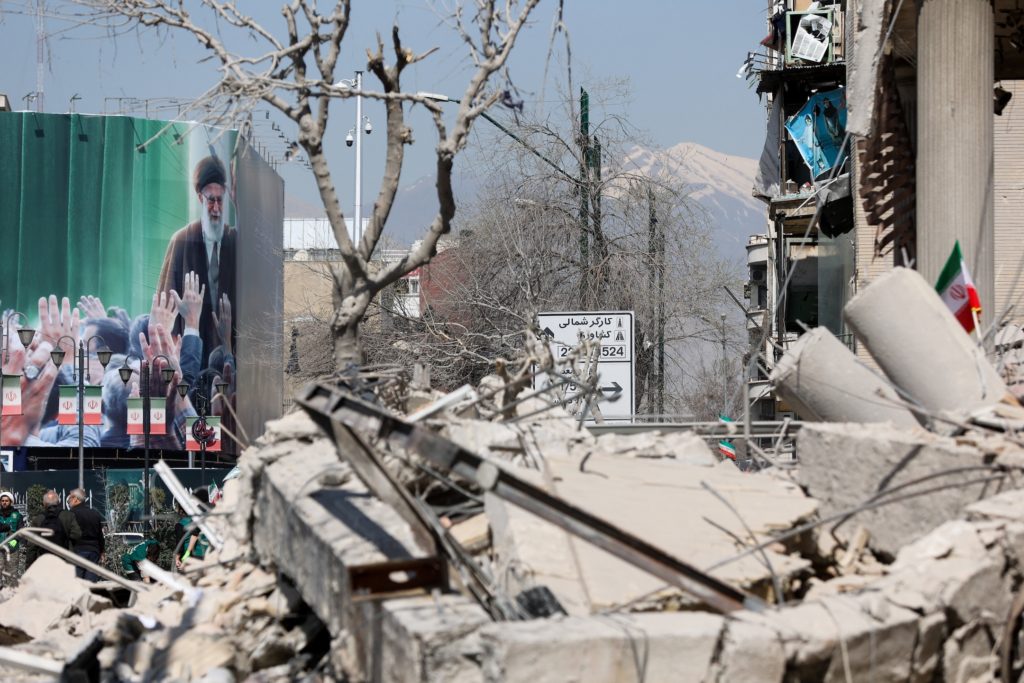
This economic squeeze has created profound fissures across the region. Gulf Cooperation Council nations face high-stakes dilemmas regarding trade routes and regional security. The United Arab Emirates and Saudi Arabia view a resurgent Iran as an enduring security threat, while nations like Bahrain navigate severe internal sectarian pressures. Meanwhile, the Islamic Revolutionary Guard Corps and political leaders in Tehran experience internal friction over ceasefires, as military factions push for a prolonged defense of their leverage points.
The broader architecture of twenty-first-century conflict extends far beyond the Middle East. Xueqin highlighted that twenty-first-century warfare relies heavily on economic warfare and asset seizures, pointing to maritime intercepts involving shuttle tankers and ongoing infrastructural sabotage. For deeper context on these disruptions, see Iran war drives oil prices to $100 per barrel as Tehran strikes ships and Iran and US trade tanker attacks in Strait of Hormuz escalation. These developments parallel broader systemic pressures affecting vulnerable regions globally, including humanitarian crises detailed in reports on Sudan’s health system on brink of collapse after aid cuts, MSF warns. For ongoing updates on international flashpoints, consult our dedicated World coverage section.
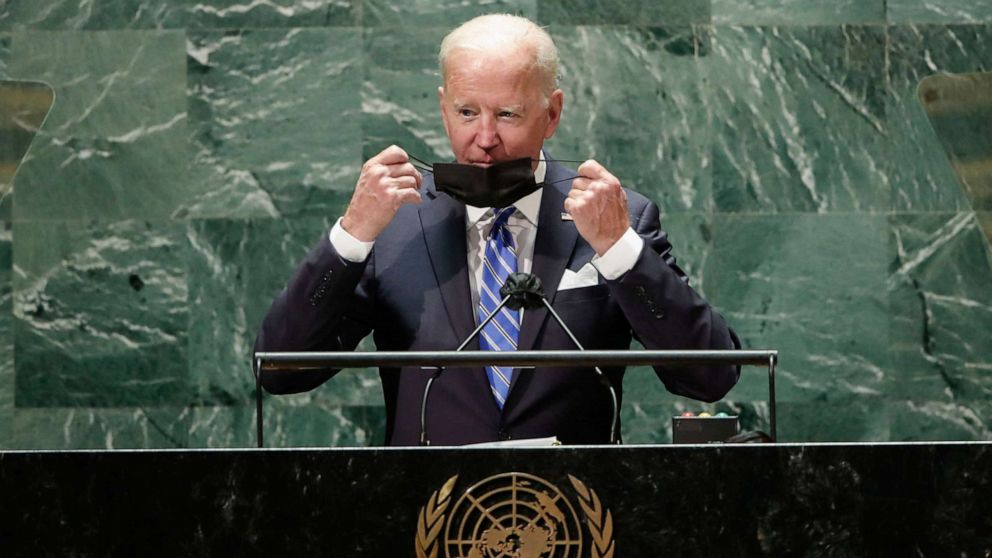
Diplomatic positioning from Western leaders has frequently emphasized international cooperation and the strengthening of multilateral institutions. During an address to the United Nations General Assembly, former U.S. President Joe Biden stressed the urgency of addressing global crises through collective frameworks, stating that nations must work together to tackle shared challenges rather than default to unilateral conflict (Full transcript: Biden addresses 76th UN General Assembly via ABC News). Biden underscored the importance of alliances like NATO and multilateral forums in preserving global order.
However, analysts argue that the underlying economic pressures driving superpower competition continue to strain global stability. According to Xueqin’s analysis on The Singju Post, American grand strategy toward major rivals like China relies on financial leverage and debt-management frameworks to maintain global economic dominance without triggering systemic collapse. Simultaneously, European leadership has faced significant economic fallout from severed energy pipelines and sanctions regimes, leading to internal political realignments and growing public discontent.
| Strategic Phase | Primary Mechanism | Key Objectives |
|---|---|---|
| Phase 1 | Leadership Decapitation | Force immediate surrender and regime change through high-value targeting. |
| Phase 2 | Economic Strangulation | Enforce naval blockades, restrict oil exports, and exhaust state financial capacity. |
| Phase 3 | Ground and Enclave Strategy | Secure coastlines and support regional ethnic minority groups to increase domestic pressure. |
What to Watch Next
- Upcoming diplomatic negotiations and high-level bilateral visits intended to shape global trade and financial architecture.
- Shifts in military posture and internal governance within Iran regarding the enforcement of regional shipping lanes.
- Policy adjustments by GCC member states concerning energy trade settlements and regional security pacts.
- European domestic political responses to ongoing economic pressures and energy supply restructuring.
How significant is this development?
Contribute your assessment to the aggregated reader sentiment ledger.
Frequently Asked Questions
Key questions answered in this reportWhat is the key development in: Jiang Xueqin warns US economic strangulation of Iran drives global conflict?
Analyst Jiang Xueqin warns that US economic strangulation of Iran is driving a structural shift toward World War III through economic warfare and blockades.
Why is this World development significant for the UK?
This report covers critical events in our World beat. Independent reporting monitors related UK statements, regulatory shifts, and public responses as further verified details emerge.
How was this reporting corroborated and verified?
Newsarchy UK compiles and cross-references reporting from primary reporting from NBC News and cross-checked wire reports. All coverage adheres to published editorial standards.
When was this report published?
This briefing was published on September 10, 2026 and is permanently cataloged in the Newsarchy UK World archives.


