Jonathan the giant tortoise's DNA reveals mitochondrial secrets of longevity
DNA sequencing of 194-year-old giant tortoise Jonathan reveals 287 unique gene variants and stable mitochondrial epigenetics that offer clues to extreme longevity.
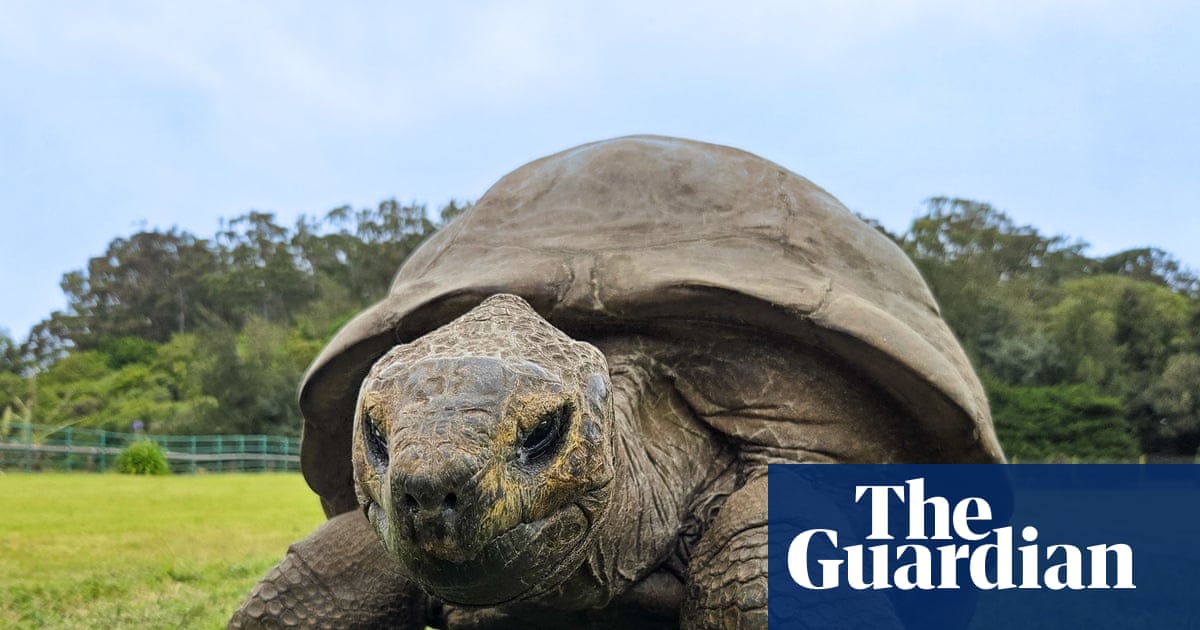
- Core Development: DNA sequencing of 194-year-old giant tortoise Jonathan reveals 287 unique gene variants and stable mitochondrial epigenetics that offer clues to extreme longevity.
- Beat Context: Categorized under World with independent corroboration.
- Reporting Depth: 3 minute analytical read synthesized from verified newsroom sources.
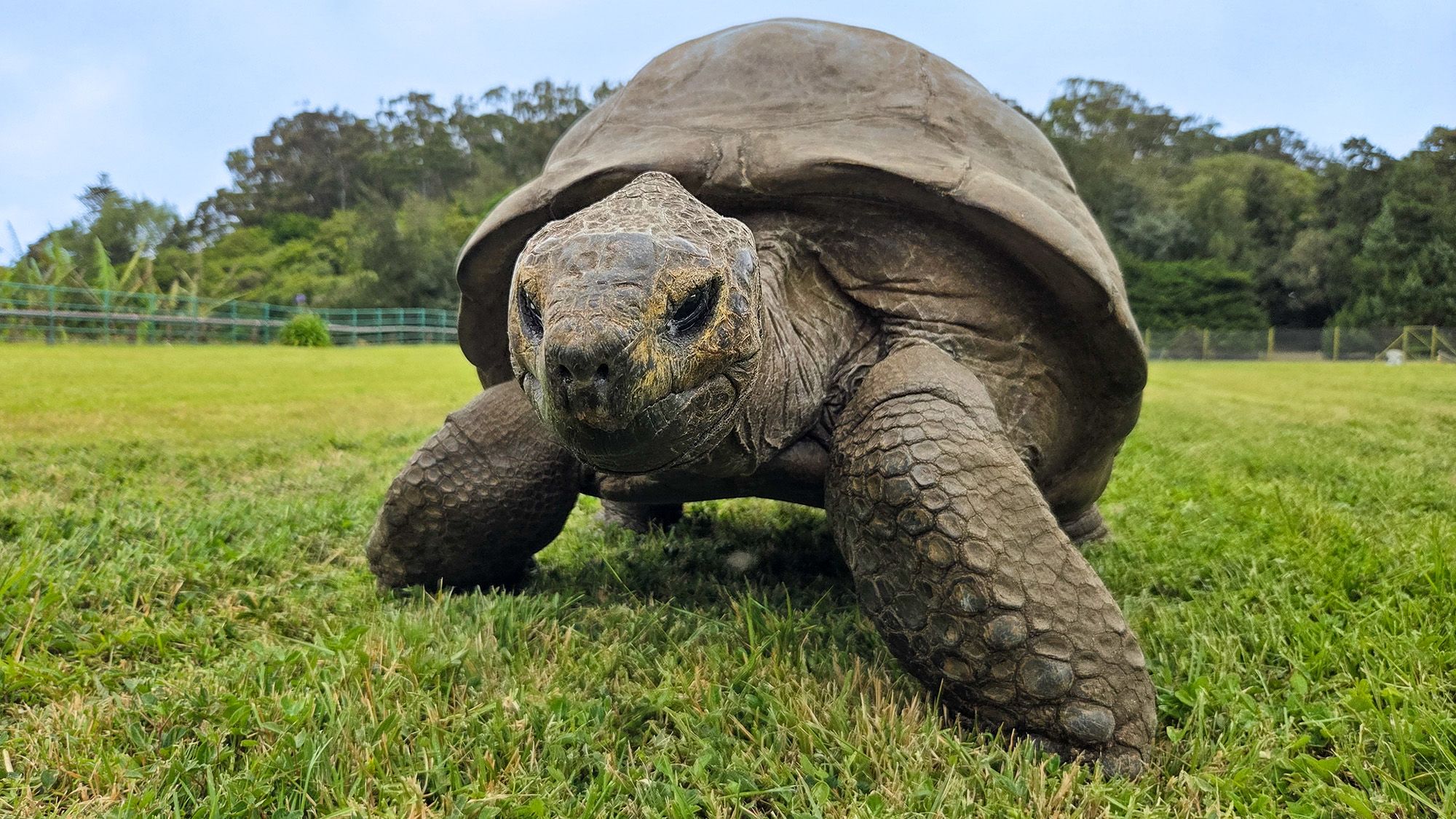
The world’s oldest living land animal has offered scientists a rare look into the biology of extreme longevity. An international research team has sequenced the DNA of Jonathan, an Aldabra giant tortoise living on the remote South Atlantic island of Saint Helena. According to the study, published in Science Advances, the findings may provide clues about slowing the ageing process and tackling human diseases.
The research was led by Benjamin Vaisvil of the non-profit Kallel Foundation, alongside colleagues including Stephen Clark, Justin Gerlach, and Joe Hollins. The project involved comparing Jonathan's genetic and epigenetic data with those of other specimens, including a younger Aldabra tortoise and Lonesome George, a Galápagos tortoise.
Media additions
Genetic Sequencing and Unique Variants
Collecting the genetic material required careful protocols. Island authorities forbade drawing the tortoise's blood due to infection risks. Joe Hollins, the former senior veterinary officer of Saint Helena who took over Jonathan's care, initially gathered samples via cheek swabs. After initial computer crashes revealed bacterial contamination from the tortoise's mouth, Hollins collected fresh cheek-scrape samples instead.
Because the resulting DNA was fragmented, researchers filled in gaps using a reference genome from a 36-year-old Aldabra tortoise named Tank. Across Jonathan's genome, the analysis identified 287 unique variants of genes linked to aging-related pathways. According to the study, these variants control processes such as DNA damage repair, inflammation reduction, insulin regulation, cancer suppression, and telomere function.
"We found that the gene regulators involved in energy production and DNA repair have remained incredibly stable in Jonathan over almost two centuries,"
Justin Gerlach, University of Cambridge, via BBC Wildlife Magazine
Mitochondrial Epigenetics and Methylation Entropy
Beyond the DNA sequence itself, researchers investigated epigenetic markers, specifically DNA methylation, where chemical methyl groups attach to DNA and act as gene regulators. In older animals, methylation patterns typically become disordered over time, a phenomenon known as methylation entropy. While many of Jonathan's genes showed high entropy similar to older animals, his mitochondrial genes displayed strikingly organized patterns comparable to much younger tortoises.
"Keeping the entropy low in these mitochondrial genes, or keeping pristine mitochondria, is likely to be a contributor to longevity,"
Stephen Clark, chief scientist, Kallel Foundation, via Live Science
Mitochondria serve as cellular batteries generating energy for function and repair. The study suggests that preserving mitochondrial stability may help prevent age-related decline. However, researchers noted that the study did not establish definitive causality between this epigenetic patterning and Jonathan's lifespan.
Background and Recent Events
Jonathan resides at Plantation House, the official residence of the governor of Saint Helena. He arrived from the Seychelles as a fully grown gift to the governor. He is estimated to be 194 years old, making him a contemporary of Queen Victoria and Charles Darwin.
When Hollins assumed care for the tortoise, Jonathan was blind from cataracts, had lost his sense of smell, and possessed a soft, crumbly beak. Hollins began hand-feeding him, which successfully restored the tortoise's weight and hard, serrated beak. More recently, Jonathan survived a viral "crypto death" scam on X in April, which prompted the governor of Saint Helena to check on the tortoise and confirm he was alive and well.
Scientific Implications and Next Steps
Vincent Lynch, a professor of biology at the University at Buffalo, suggested that a full genetic profile across various organs must wait until after the tortoise's death to map tissue-specific mutations, while questioning whether entropy is uniformly useful for characterizing methylation patterns.
"Aging is the greatest risk factor for nearly every chronic disease we face,"
Stephen Clark, Kallel Foundation, via The Guardian
According to the Kallel team, next steps include exploring whether mitochondrial stability can be replicated or induced in other organisms and eventually in human cells. Researchers also plan to collect additional tissue samples after Jonathan's passing to evaluate age-related mutations across specific organs.
| Feature | Jonathan | Tank (Young Aldabra Tortoise) |
|---|---|---|
| Unique longevity gene variants | 287 | Reference genome comparison |
| Mitochondrial gene methylation entropy | Low (organized/stable) | Low (organized/stable) |
| Other gene methylation entropy | High (disordered) | Low (organized/stable) |
How significant is this development?
Contribute your assessment to the aggregated reader sentiment ledger.
Frequently Asked Questions
Key questions answered in this reportWhat is the key development in: Jonathan the giant tortoise's DNA reveals mitochondrial secrets of longevity?
DNA sequencing of 194-year-old giant tortoise Jonathan reveals 287 unique gene variants and stable mitochondrial epigenetics that offer clues to extreme longevity.
Why is this World development significant for the UK?
This report covers critical events in our World beat. Independent reporting monitors related UK statements, regulatory shifts, and public responses as further verified details emerge.
How was this reporting corroborated and verified?
Newsarchy UK compiles and cross-references reporting from primary reporting from Live Science and cross-checked wire reports. All coverage adheres to published editorial standards.
When was this report published?
This briefing was published on October 7, 2026 and is permanently cataloged in the Newsarchy UK World archives.