Drone attack suspends production at Iraq’s Khor Mor gasfield
A drone attack on the Khor Mor gasfield in northern Iraq halted production and slashed regional electricity generation by up to 80 percent, triggering widespread power outages.

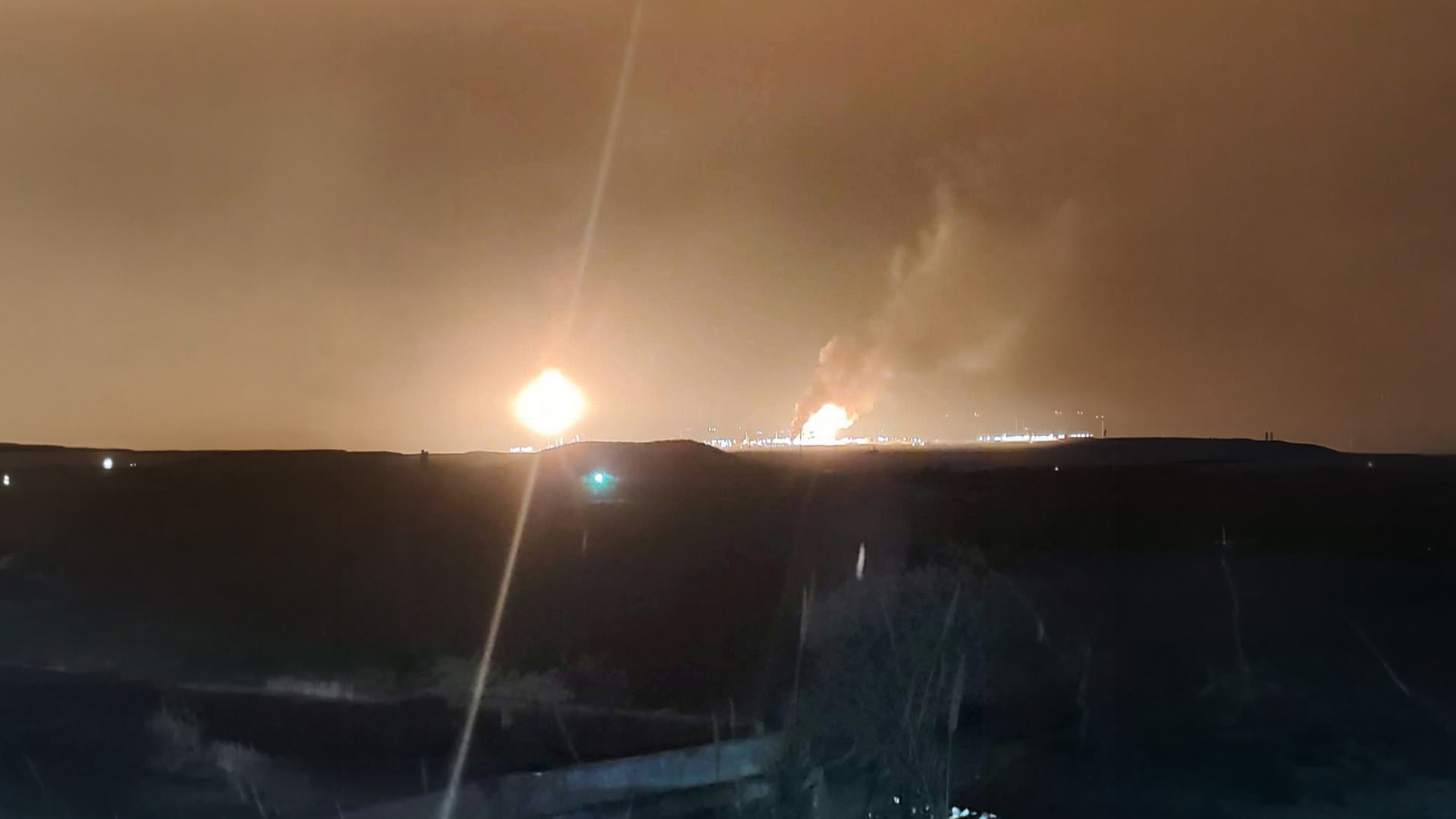
A Sunday night drone strike on 8 November 2026 struck northern Iraq’s Khor Mor gasfield, halting gas production and slashing regional electricity generation by up to 80 percent, plunging the semi-autonomous Kurdish region into widespread power outages. The facility, located in the Qadir Karam subdistrict of Chamchamal within the Sulaimaniyah governorate, is one of the largest gas production complexes in the region. According to Kurdistan24, the explosive-laden drone hit the installation's "Old Field" section, which is responsible for daily liquefied petroleum gas production and had not previously been targeted.
The impact damaged a liquefied petroleum gas storage tank and triggered a massive fire with flames visible across the garmiyan independent administration. Security sources speaking to The Hindu and Devdiscourse confirmed that smoke rose over the site immediately after the impact. An engineer working at the facility reported that an emergency alarm sounded before the impact, allowing workers to evacuate into shelters over fears of further attacks. Initial assessments cited by Iraqi Prime Minister Ali al-Zaidi and reported by Al Jazeera and Chosunbiz confirmed there were no casualties among employees or security personnel.
Media additions


The destruction of the gas storage unit immediately cut fuel supplies to power stations across Erbil, Sulaimaniyah, Bazian, Chamchamal, and Duhok. Omid Ahmed, spokesperson for the Kurdistan Regional Government’s Ministry of Electricity, stated that the outage knocked between 2,500 and 2,800 megawatts of generation capacity off the local grid, with the Kurdish Regional Government's ministry of electricity stating the loss reached about 2.8 gigawatts. While Al Jazeera reported that more than 70 percent of the region was left without power, investingLive noted that normal regional production hovers around 4 gigawatts, meaning roughly two-thirds of its power supply was taken offline.
| Metric | Reported Figure | Source |
|---|---|---|
| Power Generation Lost | 2,500 to 2,800 megawatts | Al Jazeera |
| Power Generation Lost | Nearly 2.8 gigawatts | investingLive, Chosunbiz |
| Grid Capacity Reduction | 70 to 80 percent | Al Jazeera |
| Grid Capacity Reduction | Roughly two-thirds | investingLive |
To mitigate the crisis, the regional electricity ministry announced emergency protocols. Officials activated hydroelectric power stations at the Dukan and Darbandikhan dams alongside alternative-fuel plants to route whatever electricity remained toward critical infrastructure, including hospitals and water treatment plants, preventing a nationwide blackout. Because Khor Mor feeds domestic power networks rather than export markets, international crude and liquefied natural gas markets experienced limited direct disruption, though investingLive noted it reinforces the war-risk premium for crude.
No group immediately claimed responsibility for the late-night assault. However, Chosunbiz and investingLive noted that local authorities and regional experts quickly pointed suspicion toward Iran-backed armed groups in Iraq, which have carried out repeated missile and drone attacks on the region. The Kurdish Regional Government's ministries of natural resources and electricity issued a joint statement describing the event as a terror attack. The facility has faced repeated strikes in prior years, including an incident in November of last year that also halted production. InvestingLive highlighted the sensitive diplomatic timing of the strike, occurring just hours after statements from Washington regarding de-escalation prospects, cutting across diplomatic messages of restraint.
In response to the security breach, Iraqi Prime Minister Ali al-Zaidi ordered the formation of a joint investigative committee alongside relevant authorities in the Kurdish region to probe how the strike occurred, according to Al Jazeera. Meanwhile, firefighting crews worked to extinguish the blaze while regional monitors assessed the structural integrity of the damaged production units. Pressure on Iraq is also building from Washington, as Iraq's foreign minister stated that the US Treasury asked Baghdad to close all but two of its border crossings with Iran as part of a wider push to tighten economic pressure on Tehran.
Attention now turns to several unfolding developments:
- The speed at which firefighting teams can secure the site and evaluate repair timelines for the liquefied petroleum gas storage facility.
- Whether investigators formally assign responsibility for the strike to a specific armed faction or state actor.
- How quickly Pearl Petroleum and regional authorities can safely resume gas extraction to restore standard electricity grids across Erbil, Sulaimaniyah, and surrounding provinces.
- Potential diplomatic or economic responses from Washington and Baghdad as pressure mounts on regional border corridors.