Lok Sabha passes anti-paper leak bill amid uproar over student protests
The Lok Sabha advanced the Public Examinations Amendment Bill, 2026 by voice vote amidst a tumultuous parliamentary session marked by political clashes.
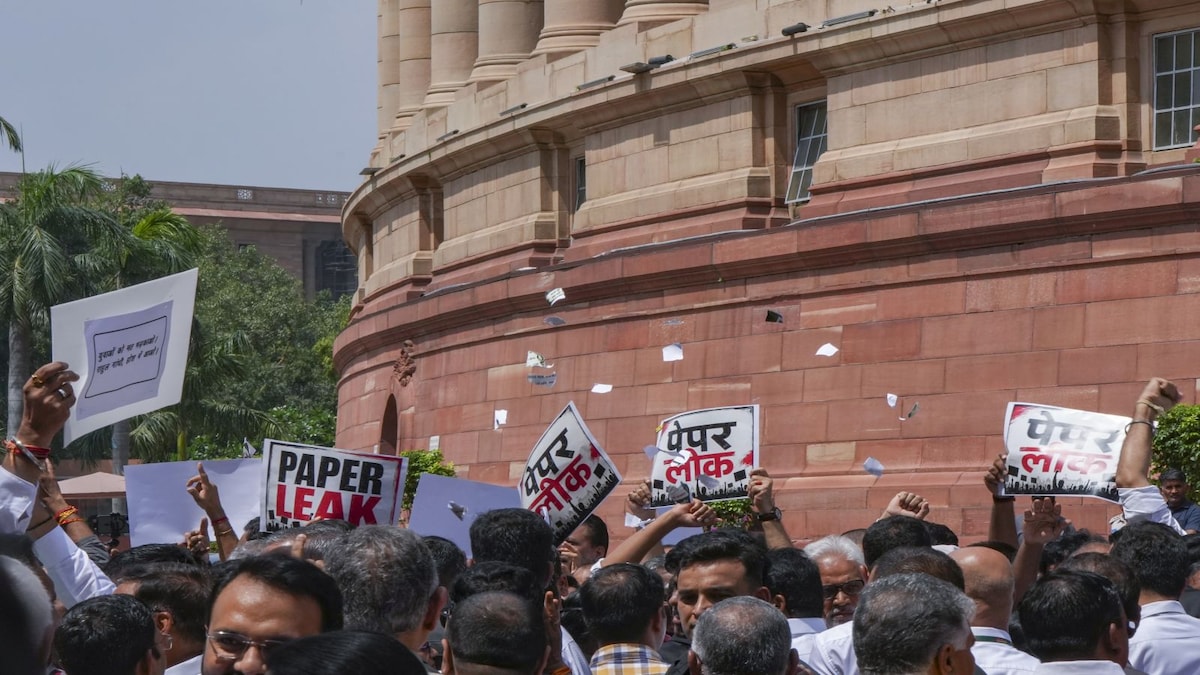
- Core Development: The Lok Sabha advanced the Public Examinations Amendment Bill, 2026 by voice vote amidst a tumultuous parliamentary session marked by political clashes.
- Beat Context: Categorized under World with independent corroboration.
- Reporting Depth: 3 minute analytical read synthesized from verified newsroom sources.
The Lok Sabha has successfully advanced the Public Examinations (Prevention of Unfair Means) Amendment Bill, 2026, according to reporting from CNBC-TV18 and News24online. The legislative measure cleared the Lower House by voice vote, unfolding amid fierce political friction and intense parliamentary exchanges regarding nationwide youth demonstrations.
According to the Free Press Journal, the legislative milestone coincided with a tumultuous session where Leader of the Opposition Rahul Gandhi alleged that ruling party parliamentarians prevented him from completing his remarks. Gandhi had raised the issue of alleged police brutality against demonstrators in Delhi, pointing directly at the executive leadership in the national capital.
Media additions

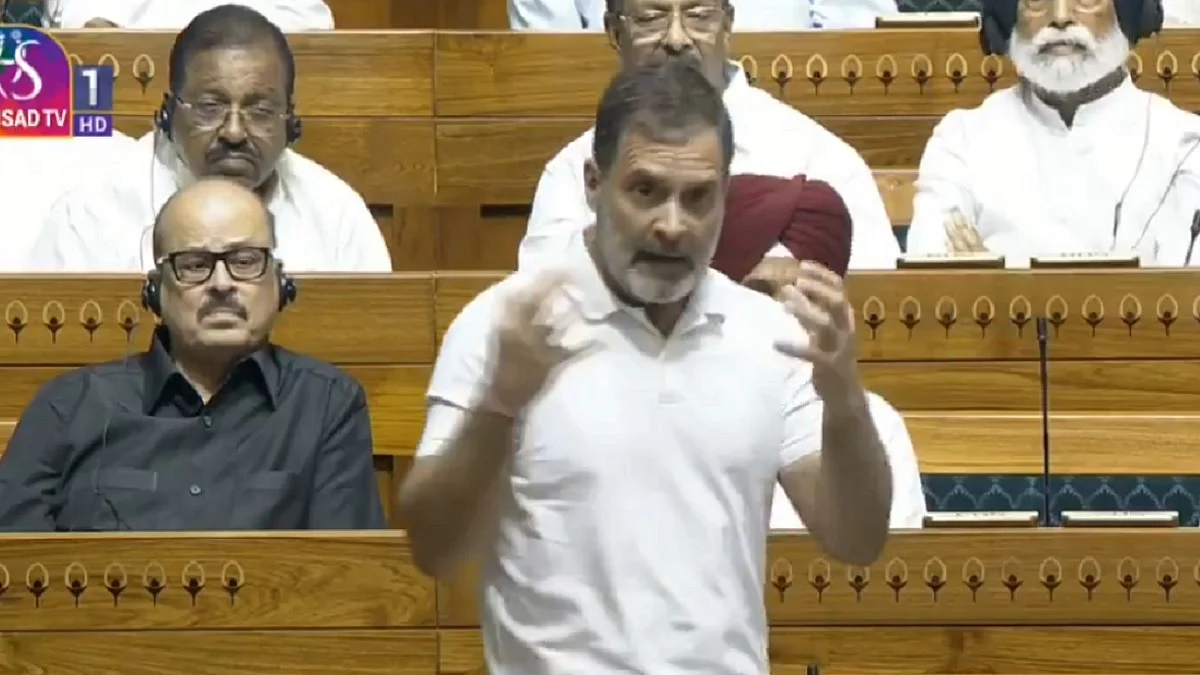
"Today, during my speech in Parliament, I raised the issue of the brutality inflicted on students in Delhi and named the one responsible Home Minister Amit Shah. The BJP did not let me speak"
Rahul Gandhi, Leader of the Opposition, via Free Press Journal
During the heated debate in the Lok Sabha, Gandhi defended the ongoing youth demonstrations. He characterized the movement as a peaceful expression of aspirations rather than acts of aggression. The address also featured a narrated conversation with an 18-year-old student, which categorised individuals into specific groups. This analogy triggered loud protests from BJP MPs, prompting Parliamentary Affairs Minister Kiren Rijiju to demand that particular terminology be expunged from official parliamentary records.
Gandhi maintained that Union Home Minister Amit Shah bore direct responsibility for alleged excessive force deployed against demonstrators in Delhi. Treasury bench members forcefully rejected the accusations. Union ministers labeled the claims as false and misleading, leading to repeated interruptions and heated cross-house shouting matches before the anti-paper leak measure was advanced.
Following the disruption in the chamber, Gandhi turned to social media and announced plans to speak directly to journalists to air details he claimed were suppressed during the parliamentary session. They can turn off the mic but not the students' echo,
Gandhi stated online, adding that he would outline his complete stance outside the legislature later in the day.
Legislative Path and Next Steps
The newly advanced legislation is designed to institute tougher penalties for examination malpractice, featuring provisions that include lengthy prison sentences, substantial financial fines, and expedited three-month trials as outlined in the legislative text reported by CNBC-TV18.
Following its passage in the Lower House, the Public Examinations (Prevention of Unfair Means) Amendment Bill, 2026, faces subsequent legislative hurdles before it can become law:
- Upper House Consideration: The legislation moves next to the Rajya Sabha for review and passage, according to CNBC-TV18. The Rajya Sabha currently has a strength of 245 members against the maximum permissible strength of 250 under Article 80 of the Constitution. The BJP has 117 MPs in the House , while the NDA's strength exceeds 130, giving the ruling alliance an edge.
- Presidential Assent: Upon successful clearance in the Upper House, the measure will advance to the President for assent. It will become law after receiving the President's approval.
The confrontation adds yet another volatile flashpoint to an ongoing national debate concerning exam integrity, administrative accountability, and state responses to youth-led movements. With the opposition scheduling further public briefings and the ruling coalition defending its legislative and administrative record, the broader political battle over examination reforms and police action during protests is expected to intensify further.
How significant is this development?
Contribute your assessment to the aggregated reader sentiment ledger.
Frequently Asked Questions
Key questions answered in this reportWhat is the key development in: Lok Sabha passes anti-paper leak bill amid uproar over student protests?
The Lok Sabha advanced the Public Examinations Amendment Bill, 2026 by voice vote amidst a tumultuous parliamentary session marked by political clashes.
Why is this World development significant for the UK?
This report covers critical events in our World beat. Independent reporting monitors related UK statements, regulatory shifts, and public responses as further verified details emerge.
How was this reporting corroborated and verified?
Newsarchy UK compiles and cross-references reporting from primary reporting from news24online.com and cross-checked wire reports. All coverage adheres to published editorial standards.
When was this report published?
This briefing was published on July 30, 2026 and is permanently cataloged in the Newsarchy UK World archives.