Met Police spent £2.5m to hide undercover officer from former partner
The Metropolitan Police spent £2.5m in public funds to relocate undercover officer John Dines after he conducted a deceitful relationship with activist Helen Steel.
- Core Development: The Metropolitan Police spent £2.5m in public funds to relocate undercover officer John Dines after he conducted a deceitful relationship with activist Helen Steel.
- Beat Context: Categorized under World with independent corroboration.
- Reporting Depth: 5 minute analytical read synthesized from verified newsroom sources.
The spycops inquiry investigates the conduct of undercover operatives who infiltrated more than 1,000 political groups between 1968 and at least 2010. Recent evidence demonstrates how top police officials coordinated with international law enforcement to track a prominent leftwing campaigner as she searched for her former partner.
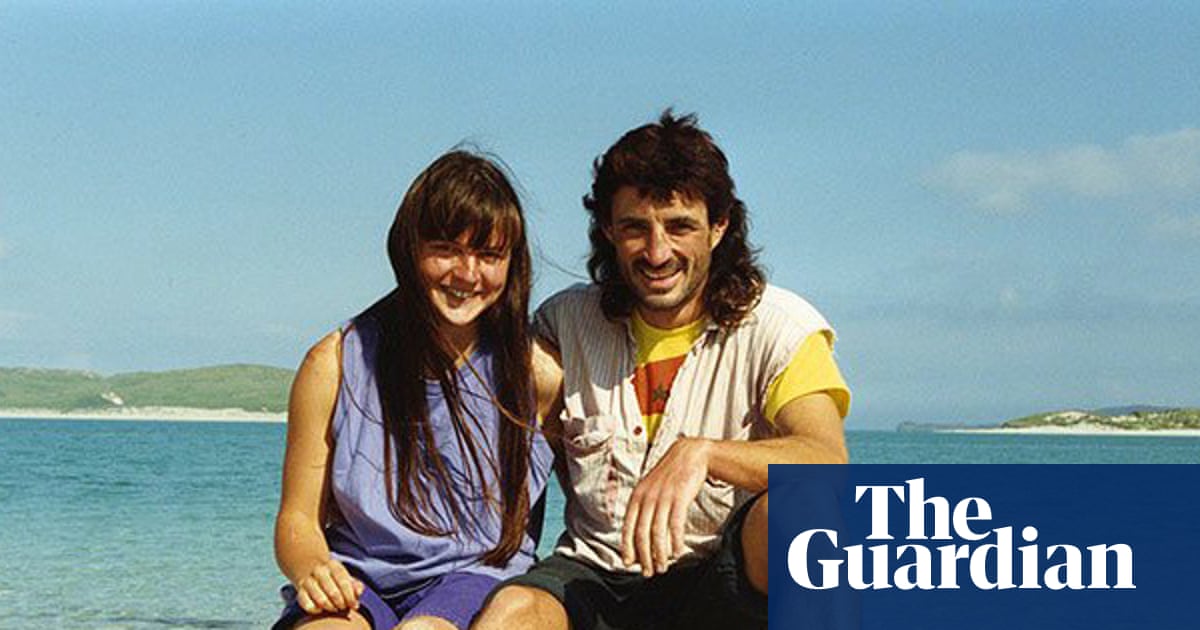
The undercover officer, John Dines, entered into a two-year relationship with Helen Steel while using a false identity. Dines started the relationship with Steel in 1990, and she initially believed she had fallen in love with an ideal man in what felt like an idyllic relationship. He told her he wanted to have six children and spend the rest of his life with her. But in 1992, he abruptly vanished under the guise of suffering a mental breakdown, which was a lie to enable him to end his deployment. Steel has described how Dines had subjected her to a sadistic and callous psychological torture over a prolonged period
. For six months, he gave her contradictory signals by repeatedly going missing, claiming he could not handle their relationship and life, before returning and proclaiming his love for her. After he finally disappeared, Steel was devastated and fearful that her missing partner might have been suicidal, prompting her to investigate who he really was as none of it made any sense. It took Steel nearly two decades to establish, by fitting together disparate clues and visiting many archives, that he had been an undercover spy. Years later, documents revealed that Dines had relocated to New Zealand after leaving the Metropolitan police, working as a barrister in Auckland.
Fearing that Steel would track him down during her travels, senior Scotland Yard officers orchestrated a covert operation halfway across the world. When Steel and her family landed at Auckland airport at 2pm on 14 December 2002 for a family holiday, their tiring journey included an irritating one-hour delay. What they did not know until recently was that their arrival had triggered a secret warning on Steel that had been put in place by police three weeks earlier, prompting customs to carry out a discreet search of her luggage. Steel’s sister collected the family and drove them to her home 90 minutes away, unaware that surveillance officers employed by New Zealand police were tailing them. Over the next few weeks, police officers tracked their movements and took photographs of them, including a picture of them leaving her sister's home. One police report set out the measures that would be put in place to monitor Steel's movements whilst in New Zealand, noting that she had done little other than local shopping with her sister, while urgent inquiries were made to fully identify her sister and family. Steel stated that although it was not the primary purpose of her visit, she also contacted people she believed could have been relatives of her former boyfriend to see if they would tell her where he now was.
To prevent discovery, senior officers authorized the expenditure of £2.5m of public funds to relocate Dines and his family to Australia quickly. The financial package included subsidizing the purchase of a house in Sydney that was four times more expensive than his New Zealand home, and compensating him for his lost professional income as a barrister.
Police officials argued that the expenditure was necessary because Steel posed a threat to the former operative. Steel dismissed this rationale as false, asserting that the true objective was to prevent public embarrassment for the force. Giving evidence to the inquiry, Steel said the surveillance and use of taxpayers' money was an abuse of state powers to prevent her discovering how a police officer had deceived and sexually exploited
her. She added that she was really angry the Metropolitan police had put her and her family under surveillance to protect an illegitimate and undemocratic operation in which undercover officers spied on tens of thousands of political campaigners across four decades. The officers claimed they did not know Dines had a sexual relationship with Steel and did not question why she was intent on finding him, a claim dismissed as implausible by campaigners and lawyers at the inquiry who noted undercover officers routinely formed sexual relationships with women they were spying on.
The inquiry also uncovered wider systemic failures within the Metropolitan police. Former commissioner Paul Condon admitted during proceedings that Scotland Yard failed to control managers and officers who committed horrendous abuses, including monitoring grieving families such as the parents of murdered teenager Stephen Lawrence who were campaigning about police wrongdoing, stealing the identities of dead children, and lying in court.
Furthermore, archival documents showed that police tracked Steel's communications and home telephone calls, logging visits to people who turned out to be Dines's relatives and noting contact with the chambers of Keir Starmer, then a barrister supporting progressive causes. Starmer was giving her legal advice as she had become a defendant in the celebrated McLibel case, the longest trial in English history, where she and another campaigner were sued by the fast food chain McDonald's in a David and Goliath battle. The inquiry previously heard how Dines spied on Starmer and accessed confidential details of his legal advice.
Key Developments in the Inquiry
- Senior Scotland Yard officers arranged covert foreign surveillance on a British campaigner and her family across multiple trips.
- Public funds totaling £2.5m were allocated to relocate the undercover operative to Australia, including a heavily subsidized Sydney home and lost income compensation.
- Former Met commissioner Paul Condon acknowledged historical institutional failures and horrendous abuses, including monitoring grieving families and stealing identities.
- Inquiry evidence highlighted widespread infiltration of political groups and personal lives, alongside covert access to legal chambers.
How significant is this development?
Contribute your assessment to the aggregated reader sentiment ledger.
Frequently Asked Questions
Key questions answered in this reportWhat is the key development in: Met Police spent £2.5m to hide undercover officer from former partner?
The Metropolitan Police spent £2.5m in public funds to relocate undercover officer John Dines after he conducted a deceitful relationship with activist Helen Steel.
Why is this World development significant for the UK?
This report covers critical events in our World beat. Independent reporting monitors related UK statements, regulatory shifts, and public responses as further verified details emerge.
How was this reporting corroborated and verified?
Newsarchy UK compiles and cross-references reporting from primary reporting from theguardian.com and cross-checked wire reports. All coverage adheres to published editorial standards.
When was this report published?
This briefing was published on July 26, 2026 and is permanently cataloged in the Newsarchy UK World archives.