Nampa figurine endures as archaeological hoax debate after 130 years
Recovered from a water well in 1889, the Nampa figurine continues to spark debate over archaeological methodology, pseudoscience, and historical hoaxes.

- Core Development: Recovered from a water well in 1889, the Nampa figurine continues to spark debate over archaeological methodology, pseudoscience, and historical hoaxes.
- Beat Context: Categorized under World with independent corroboration.
- Reporting Depth: 3 minute analytical read synthesized from verified newsroom sources.
A tiny clay figurine pulled from an Idaho water well more than a century ago continues to spark debate over archaeological methodology, pseudoscience, and the persistence of historical hoaxes, according to TheTravel.
The object in question first surfaced during a water-drilling operation in Nampa, Idaho. Workers pumping debris from deep underground brought up a humanoid figurine depicting a woman. The small artifact measures about 1.5 inches in size
and is composed of clay, quartz, and iron oxide. Because the drill pump indiscriminately mixed soil, sand, and rock from various depths, any reliable stratigraphic context was instantly destroyed. Despite this, Charles Francis Adams Jr. Relied on the depth of the extraction to assign a remarkable antiquity to the piece.
Media additions
Archaeological consensus has long rejected the notion of a prehistoric American sculpture from that era. Modern research places the earliest human presence in the Americas tens of thousands of years ago, and fired clay pottery did not emerge in the region until much later. Furthermore, critics in the 19th century—including geologist John Powell—noted striking resemblances between the figurine and late-19th-century Native American toys, suggesting the entire episode was an elaborate practical joke directed at the dig's supervisors. Academic criticism was fierce, with geologist and anthropologist William John McGee condemning the discussions surrounding its authenticity as fuel for scam artists.
| Analysis / Figure | Proposed Date / Timeframe | Methodology or Source Context |
|---|---|---|
| Charles Francis Adams Jr. Assessment | Two million years old | Based entirely on drill depth in stratigraphic layers |
| George Frederick Wright assessment | Around 10,000 years old | Believed the artifact was genuine but younger |
| Modern archaeological consensus | Approximately 130 years old | Recognised as a local hoax or late-period toy |
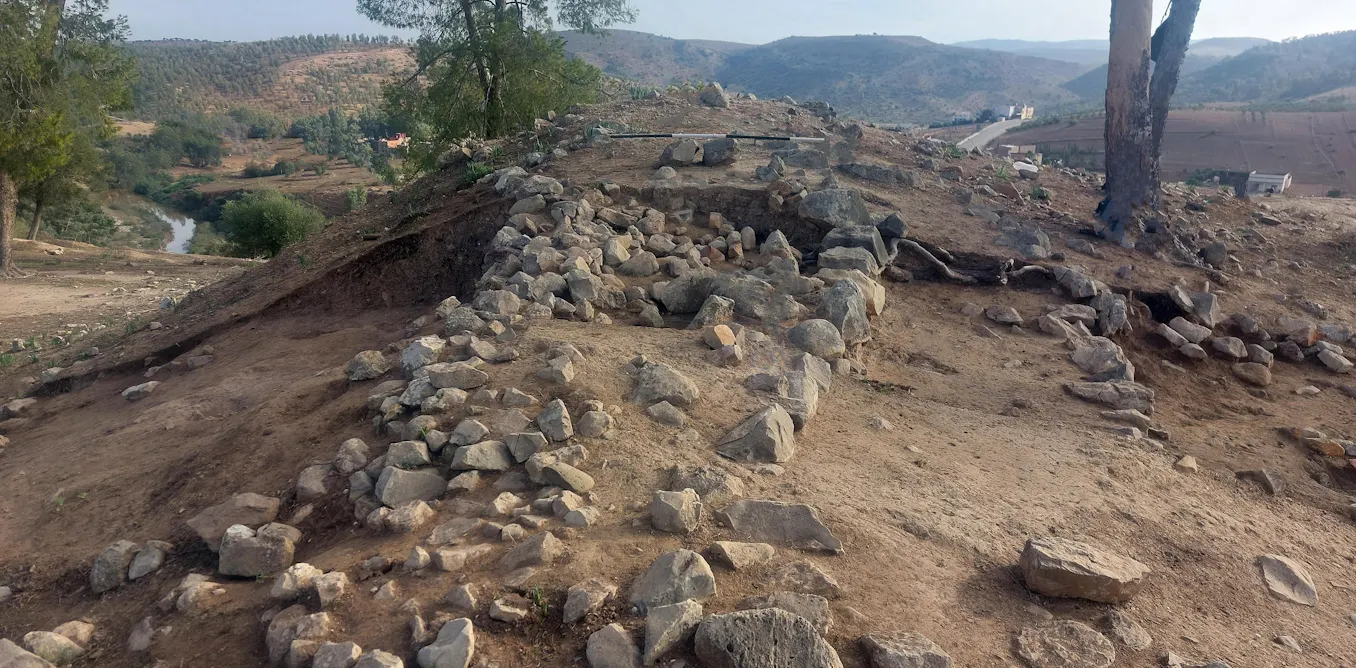
While the Nampa figurine remains a cautionary tale in TheTravel report, genuine paradigm shifts are occurring elsewhere in global archaeology. Research detailed by The Conversation reveals that ancient history is actively being rewritten through rigorous excavations at Oued Beht in Morocco. New studies at the site uncovered the earliest known large-scale defensive construction in North Africa outside the Nile Valley, dating back thousands of years. Radiocarbon dating confirmed that these fortifications reflect complex societal organization, resource competition, and active trade networks linking northwest Africa to the broader Mediterranean world during the Bronze Age.
The contrast between fabricated anomalies like the Nampa figurine and legitimate breakthroughs in North Africa underscores the vital importance of scientific methodology. Experts emphasise that public outreach must focus not only on what artifacts reveal, but on how researchers establish their provenance through rigorous excavation and multi-line evidence. As ongoing projects continue to illuminate the deep history of human development across the globe, the Nampa figurine endures primarily as proof of the dangers of anti-intellectualism and the allure of unverified claims.
What happens next in the study of ancient Mediterranean connections will depend on continued fieldwork at sites like Oued Beht, where researchers expect further insights into how early rural communities evolved. Meanwhile, the Nampa figurine sits permanently in the Idaho State Historical Society Museum, serving as a permanent reminder of how easily curiosity can be hijacked by clickbait and modern conspiracy theories.
How significant is this development?
Contribute your assessment to the aggregated reader sentiment ledger.
Frequently Asked Questions
Key questions answered in this reportWhat is the key development in: Nampa figurine endures as archaeological hoax debate after 130 years?
Recovered from a water well in 1889, the Nampa figurine continues to spark debate over archaeological methodology, pseudoscience, and historical hoaxes.
Why is this World development significant for the UK?
This report covers critical events in our World beat. Independent reporting monitors related UK statements, regulatory shifts, and public responses as further verified details emerge.
How was this reporting corroborated and verified?
Newsarchy UK compiles and cross-references reporting from primary reporting from The Conversation and cross-checked wire reports. All coverage adheres to published editorial standards.
When was this report published?
This briefing was published on September 16, 2026 and is permanently cataloged in the Newsarchy UK World archives.