Two Nepal hydropower workers rescued after nine days in tunnel
Emergency crews pulled two men alive from a Nepal hydropower tunnel nine days after an avalanche triggered flash floods, raising hopes for hundreds of missing workers.
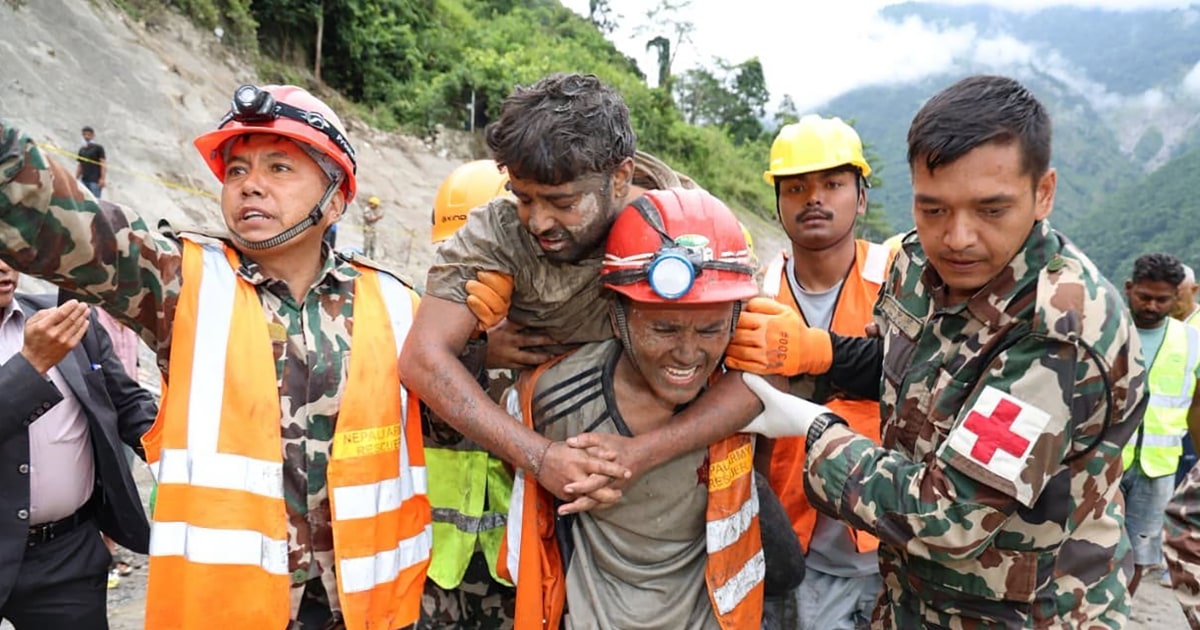
- Core Development: Emergency crews pulled two men alive from a Nepal hydropower tunnel nine days after an avalanche triggered flash floods, raising hopes for hundreds of missing workers.
- Beat Context: Categorized under World with independent corroboration.
- Reporting Depth: 3 minute analytical read synthesized from verified newsroom sources.
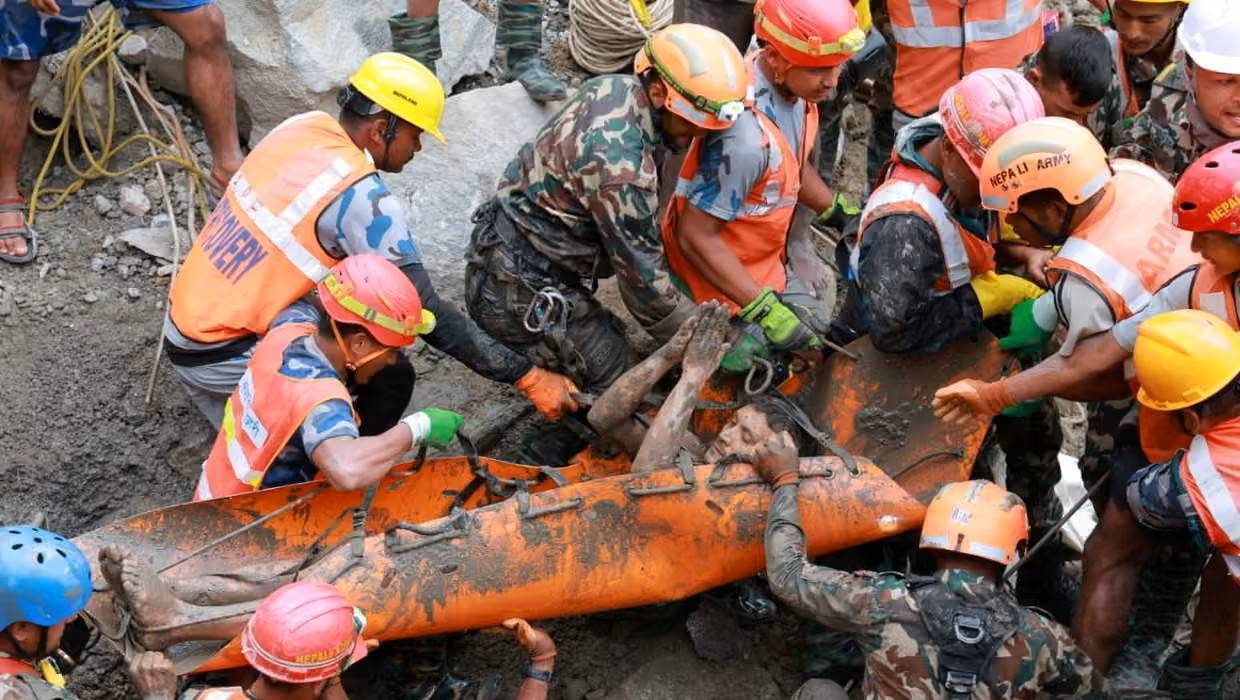
Emergency crews pulled two men alive from the Trishuli 3A hydropower tunnel on 4 September, nine days after an ice‑rock avalanche triggered flash floods that devastated the Nepal‑China border region. The rescue, captured on the Nepal army’s Facebook page, has sharpened hopes that dozens of other workers trapped in the Himalaya’s underground power sites may still be alive.
Mechanical foreman Sanjay Shah, 30, and mechanical supervisor Kabir Maharjan, 45, were extracted from a depth of 170 metres within the tunnel, according to army spokesperson Brig Gen. Raja Ram Basnet (via NBC News). Both men were flown to Kathmandu for treatment;
Media additions
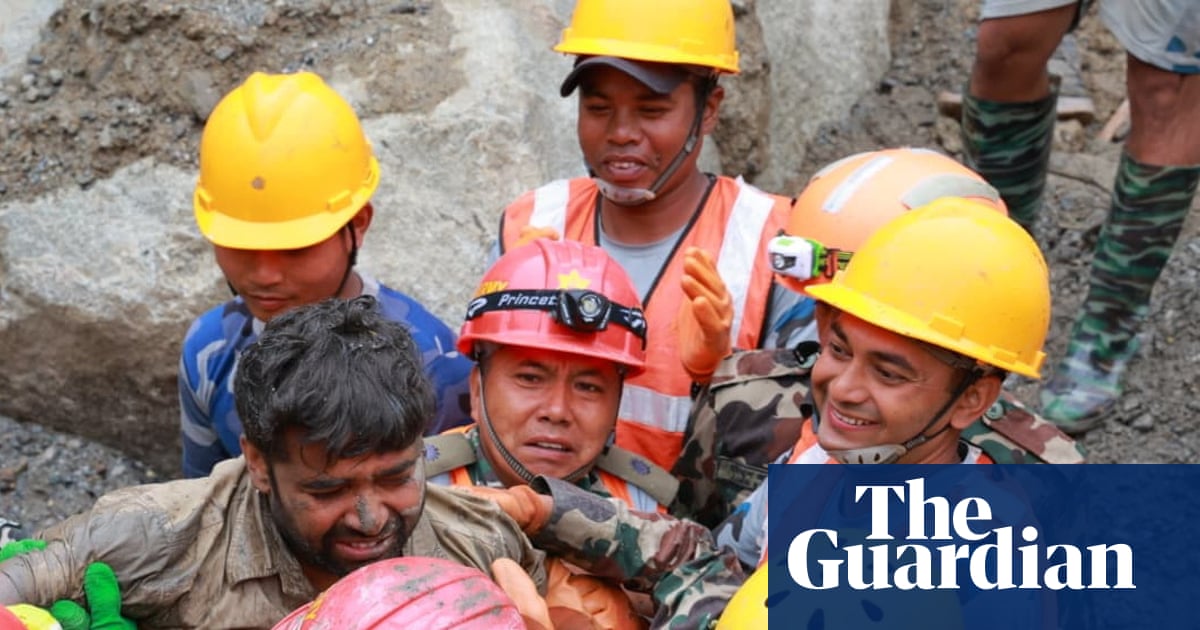

“I can’t explain what we are feeling at the moment. We are just grateful to God,” said Amir Maharjan, brother of the rescued supervisor, in an interview with the Associated Press, as quoted by multiple outlets (Cbc, The Guardian).
The two survivors provide the first confirmed proof that people can endure more than a week underground after a disaster of this scale. Shah’s first words after emerging were a simple, bewildered query: “What day is it?
” He later recounted that he had been in the tunnel’s control room when the surge hit, and that roughly 40‑45 colleagues were present, far more than the usual five‑six crew members (The Guardian, via Irish Examiner).
Shah said he spent the dark hours chanting mantras to stay calm and heard only three‑four other voices nearby. “There could also be people inside the powerhouse. Some of them may not have been able to escape,” he warned, suggesting that additional workers may be deeper in the tunnel system (The Guardian).
Scale of the disaster
Local authorities estimate that about 900 workers are missing from 12 hydropower projects across the Himalayas, with roughly 500 believed to be trapped in tunnels (CBC). The Independent Power Producers Association of Nepal (IPPAN) puts the missing figure for the Trishuli 3A project alone at 557, of whom about 115 are thought to be inside the main tunnel (NBC News).
The disaster, triggered on 26 August by a glacier collapse, demolished villages and swept away roads, hampering rescue access to the remote mountain sites.
Rescue operation details
After hearing voices on the morning of 4 September, rescuers called out, “Don’t panic, we are rescuing you,” and received a terse reply, “OK,” confirming survivors were still present (The Guardian).
Energy Minister Biraj Bhakta Shrestha’s office confirmed the identities of the rescued pair while Communication Minister Bikram Timilsina posted on Facebook, “We are waiting for the rescue of more and more people.” (CBC).
Nepal’s Foreign Minister Shisir Khanal told CBS News that he was “thrilled” about the rescue and hoped more survivors would be found.
Timeline of key events
- 26 August 2026 – Glacier collapse on the Nepal‑Tibet border triggers flash flood; towns and valleys are swept away.
- 4 September 2026 (morning) – Rescue crews locate two survivors; Shah and Maharjan are extracted from 170 metres depth.
- 4 September 2026 (later) – Both men are air‑lifted to Kathmandu hospitals; families gather at Tribhuvan University Teaching Hospital.
Numbers at a glance
| Metric | Count |
|---|---|
| Workers rescued (as of 4 Sept) | 2 |
| Workers missing – total hydropower sites | ≈ 900 |
| Workers believed trapped in tunnels | ≈ 500 |
| Missing at Trishuli 3A project | 557 |
| Trapped in main Trishuli 3A tunnel | 115 |
Expert and community reactions
Energy advisers stress that the tunnel network “snakes up and down” and that survivors are likely the most skilled engineers, who may have improvised ways to conserve oxygen (CBS News).
Family members expressed a mix of relief and lingering fear. Hira Shobha, Maharjan’s wife, told the Kathmandu Post, “We are extremely happy… We believed he was still in there. We suffered because it took a little longer.”
What to watch next
- Continued voice‑monitoring inside the Trishuli 3A tunnel and adjacent hydropower sites.
- Official statements from the Independent Power Producers Association of Nepal on any new recoveries.
The two rescues have ignited a renewed push to breach the remaining sealed entrances.
How significant is this development?
Contribute your assessment to the aggregated reader sentiment ledger.
Frequently Asked Questions
Key questions answered in this reportWhat is the key development in: Two Nepal hydropower workers rescued after nine days in tunnel?
Emergency crews pulled two men alive from a Nepal hydropower tunnel nine days after an avalanche triggered flash floods, raising hopes for hundreds of missing workers.
Why is this World development significant for the UK?
This report covers critical events in our World beat. Independent reporting monitors related UK statements, regulatory shifts, and public responses as further verified details emerge.
How was this reporting corroborated and verified?
Newsarchy UK compiles and cross-references reporting from primary reporting from nbcnews.com and cross-checked wire reports. All coverage adheres to published editorial standards.
When was this report published?
This briefing was published on September 4, 2026 and is permanently cataloged in the Newsarchy UK World archives.


