Nepal holds a day of mourning after floods kill more than 1,300 people
Nepal marks a national day of mourning following catastrophic flash floods that have killed more than 1,300 people, as rescue efforts continue at damaged hydropower sites.
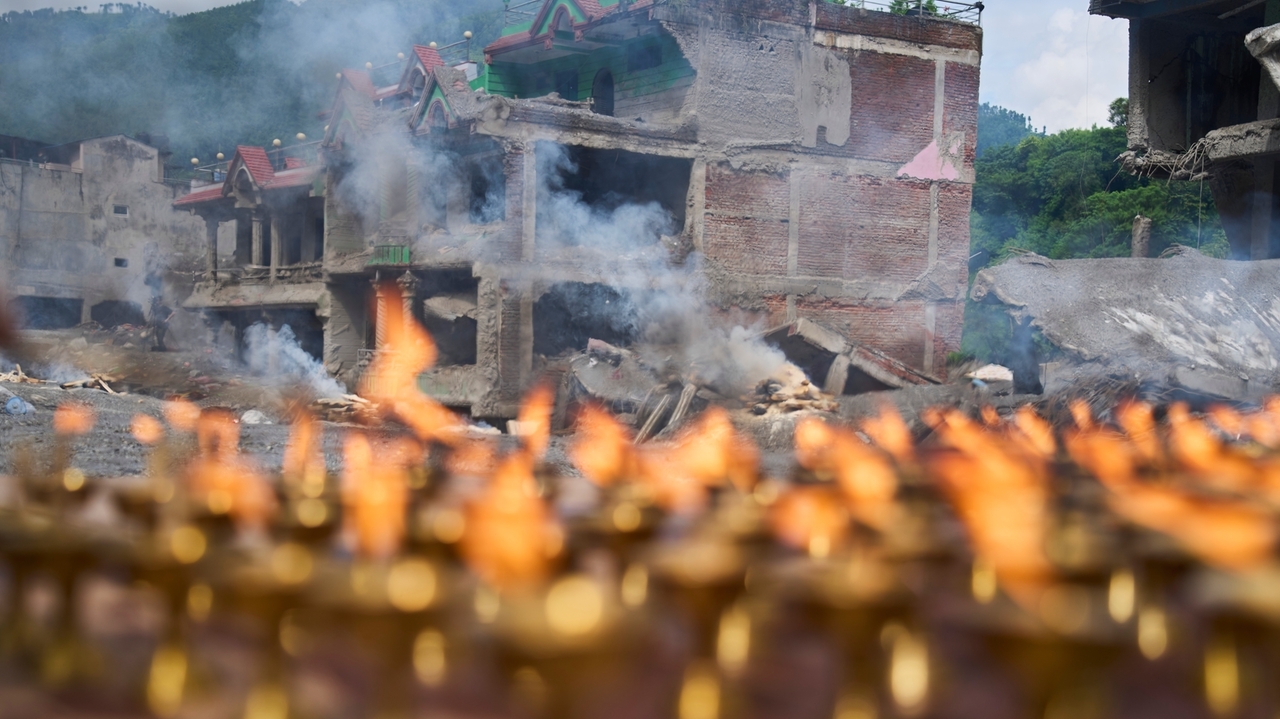
- Core Development: Nepal marks a national day of mourning following catastrophic flash floods that have killed more than 1,300 people, as rescue efforts continue at damaged hydropower sites.
- Beat Context: Categorized under World with independent corroboration.
- Reporting Depth: 4 minute analytical read synthesized from verified newsroom sources.
Nepal observed a national day of mourning on Monday, September 7, 2026, marking the conclusion of traditional mourning rites for the victims of catastrophic flash floods that struck the region on August 26, 2026. Flags flew at half-staff at government offices and diplomatic missions abroad as families gathered to pray, hold candlelight vigils, and perform symbolic funerals for loved ones who remain missing. According to Newsday and KSL reports, the disaster has claimed more than 1,300 lives across Nepal and Tibet, while Al Jazeera notes the death toll has reached at least 1,380 people.
The disaster unfolded when a massive wall of mud and rock, triggered by a glacier breaking off, collapsed into a river along the Himalayan border shared by Nepal and China's Tibet region. The resulting inundation overwhelmed communities and infrastructure, leaving thousands unaccounted for. In predominantly Hindu Nepal, the 13th day marks the conclusion of formal mourning periods, during which close relatives stay at home to receive visitors and perform final prayers. Because many bodies have not been recovered, several families performed symbolic cremation rituals to achieve spiritual release, reflecting the profound cultural importance of the funeral rites.
Media additions
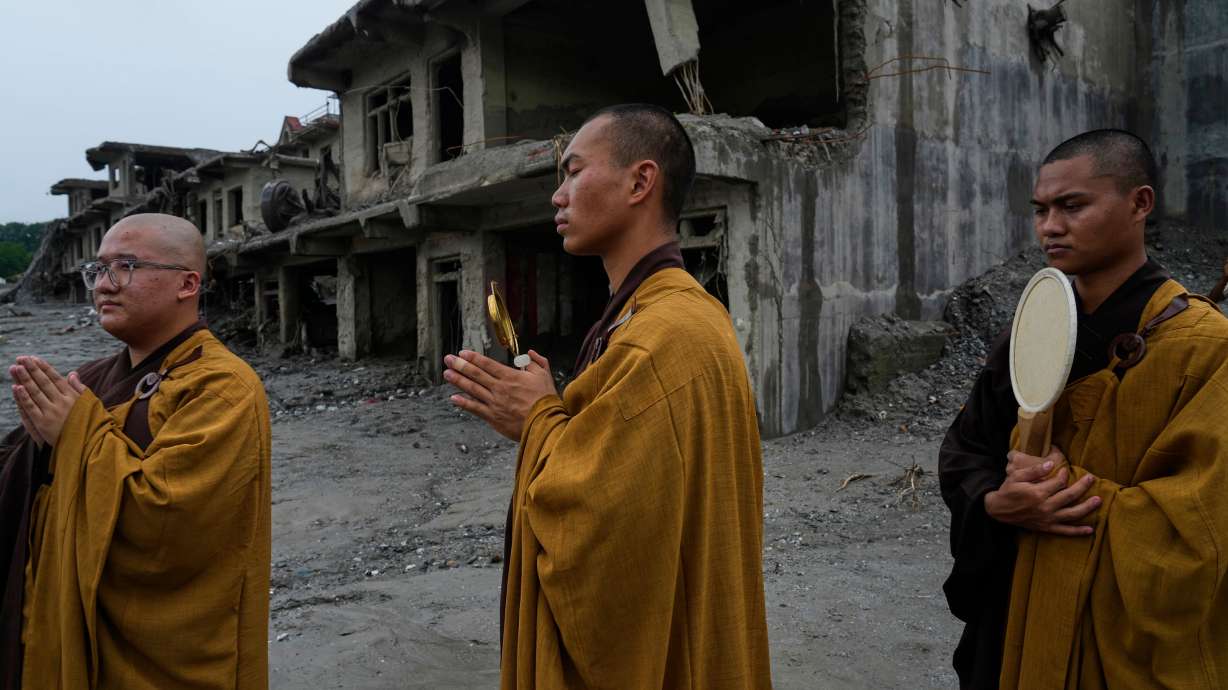

The government refrained from organizing large public ceremonies for the national day of mourning. Phanindra Paudel of the National Emergency Operation Center explained that resources remain entirely dedicated to ongoing search and rescue operations in the flood-hit zones, as reported by Al Jazeera. Meanwhile, ceremonial head of state President Ram Chandra Paudel toured affected districts on Monday to inspect the extensive damage firsthand.
Despite the official focus on rescue work, public frustration boiled over in the capital. Relatives of missing workers gathered near the prime minister's office and key government ministries to demand a faster and more aggressive response. Protestors focused much of their anger on the delayed deployment of heavy equipment to remote hydropower project sites where hundreds remain trapped.
"We are here because we have not heard of any rescue attempt on this project, but it has been 13 days already,"
Sumana Shrestha, protester who lost her husband, via Newsday, KSL, and Al Jazeera
Sumana Shrestha stood with relatives holding a poster of her 55-year-old husband, a consulting geologist who was working at the Trishuli hydropower plant when its project office was completely buried under debris. Another demonstrator, Mahesh Prasad Shrestha, held a photograph of his brother Niraj Shrestha, a 52-year-old engineer at the same facility. He criticized the official response timeline, noting that authorities delivered only a small excavator by helicopter nearly a week after the disaster struck and arguing that officials should have requested heavy-lift helicopters from neighboring nations like China or India to airlift large machinery.
| Metric / Source Estimate | Reported Figures |
|---|---|
| Confirmed Deaths (Newsday & KSL) | More than 1,300 |
| Confirmed Deaths (Al Jazeera) | At least 1,380 |
| Missing Persons (Newsday & KSL) | Some 5,000 |
| Missing Persons (Al Jazeera) | More than 5,500 |
| Hydropower Projects Targeted | 12 projects |
| Missing Workers at Hydropower Sites | About 900 workers |
| Workers Believed Trapped in Tunnels | Roughly 500 workers |
Search efforts have concentrated heavily on a dozen hydropower developments where hundreds of employees were caught off guard by the surging Bhotekhoshi River. Authorities indicate that roughly 500 workers are believed to be trapped inside various project tunnels. Specialized units dispatched from India, China, South Korea, and the United States have joined domestic teams to pick through unstable structures, deep debris, and blocked subterranean corridors.
Amid the grim statistics and continuing protests, search operations have yielded occasional moments of relief. Rescuers pulled two Nepalese workers alive from a plant tunnel on Friday, followed by the extraction of a Chinese worker on Saturday. Additionally, crews rescued a Nepali woman from her buried house on Saturday.
As families conclude their 13 days of private grief, attention turns entirely to the subterranean search operations where international specialists continue racing against time to locate any remaining survivors trapped within the isolated hydropower tunnels.
How significant is this development?
Contribute your assessment to the aggregated reader sentiment ledger.
Frequently Asked Questions
Key questions answered in this reportWhat is the key development in: Nepal holds a day of mourning after floods kill more than 1,300 people?
Nepal marks a national day of mourning following catastrophic flash floods that have killed more than 1,300 people, as rescue efforts continue at damaged hydropower sites.
Why is this World development significant for the UK?
This report covers critical events in our World beat. Independent reporting monitors related UK statements, regulatory shifts, and public responses as further verified details emerge.
How was this reporting corroborated and verified?
Newsarchy UK compiles and cross-references reporting from primary reporting from KSL.com and cross-checked wire reports. All coverage adheres to published editorial standards.
When was this report published?
This briefing was published on September 7, 2026 and is permanently cataloged in the Newsarchy UK World archives.


