Nuremberg Airport Reopens After Corendon Flight Hijack Code False Alarm
Nuremberg Airport reopened after a Corendon flight triggered a false hijack alert, prompting a shutdown and escort by two Eurofighter jets.
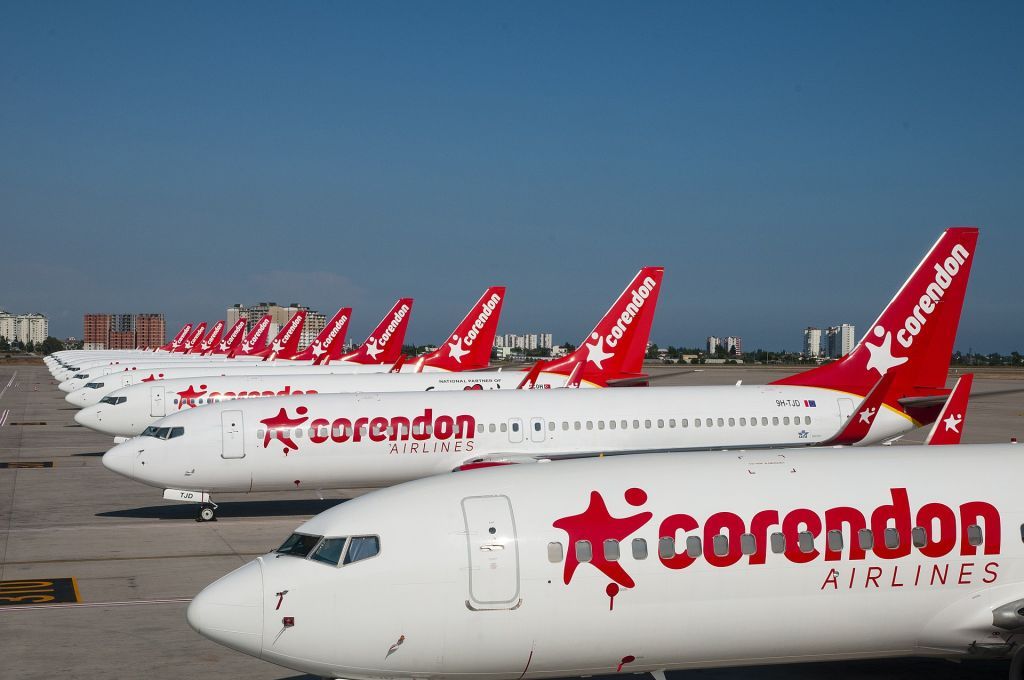
- Core Development: Nuremberg Airport reopened after a Corendon flight triggered a false hijack alert, prompting a shutdown and escort by two Eurofighter jets.
- Beat Context: Categorized under World with independent corroboration.
- Reporting Depth: 3 minute analytical read synthesized from verified newsroom sources.
Germany’s main regional hub in Bavaria reopened on Tuesday after a Corendon Airlines flight triggered a hijack‑alert transponder code, prompting the scramble of two Eurofighter jets, a temporary airport shutdown and the diversion of several inbound services.
Sequence of events from take‑off to landing
| Time (local) | Event |
|---|---|
| 02:00 – 04:00 | Three pilots report an unidentified object near the airfield during early‑morning operations; police launch a search that yields no confirmation. |
| ≈11:45 | Corendon Airlines flight XR456, a Boeing 737‑800 registered 9H‑CXD, transmits transponder code 7500 while over Croatian airspace. |
| ≈11:50 | German Air Force scrambles two Eurofighter jets from Tactical Air Force Wing 74 at Neuburg an der Donau. |
| 12:16 | The aircraft lands at Nuremberg Airport (Albrecht Dürer Airport Nürnberg) under escort. |
| 12:30 – 13:20 | Police seal the terminal, investigate the aircraft and the cockpit’s radio‑communication failure; no threat is found. |
| 13:20 | Authorities issue an all‑clear. |
| 13:30 | Normal flight operations resume. |
How the false alarm unfolded
International aviation standards assign code 7500 to “unlawful interference,” a signal that usually indicates a hijacking.
In response, two Eurofighter jets from the German Air Force intercepted the aircraft and escorted it through German airspace to Nuremberg.
Upon landing, airport police conducted a full inspection of the cabin, cockpit and communication equipment. Rus Tourism News reported that investigators quickly concluded there was no danger to passengers or crew. Corendon Airlines later explained that a “temporary radio‑communication malfunction” while the plane was in Croatian airspace had inadvertently triggered the emergency signal.
Separate drone reports add to the day’s turbulence
Earlier that morning, between approximately 02:00 and 04:00, three pilots independently sighted an unidentified object near the runway. Police deployed a helicopter and searched the perimeter, but the object was never located or identified. Airport officials stressed that the drone‑sighting remained unverified and that no link to the later hijack‑code incident had been established.
Operational impact on flights and passengers
Road access to the airport was closed, and all departing and arriving services were suspended pending clearance. Six flights were delayed, including two inbound and four outbound services. Two arriving aircraft were initially diverted to Cologne Bonn Airport and Prague Airport before being rerouted back to Nuremberg.
Other airlines rerouted flights to larger hubs such as Frankfurt, Munich, Memmingen and Stuttgart, adding a ripple effect across the German domestic network. Passengers were advised to check directly with their carriers, as the lifting of the airport’s restrictions did not automatically restore original departure times.
International coverage highlights the incident’s reach
The alarm and subsequent response were also mentioned in the Australian financial daily African Financial Review, which noted that “Germany scrambles fighter jets after airline radio glitch sends false hijack alert.”
Wider context: drone threats and airport security upgrades
Germany has recorded a series of drone‑related alerts in recent months, including a temporary shutdown at Munich Airport earlier this year. In response, the federal government announced plans to bolster airport protection through improved detection technology and tighter coordination between civil aviation authorities and the military.
What to watch next
- Formal investigation reports on the radio‑communication malfunction that caused the transponder code to be sent.
For travelers scheduled through Nuremberg Airport in the coming days, the immediate message is clear: the airport has resumed normal operations, but residual schedule adjustments may still affect individual itineraries. Airlines continue to advise passengers to monitor their flight status directly with carriers, as the airport works to normalize traffic and clear the backlog created by the brief but intense security episode.
How significant is this development?
Contribute your assessment to the aggregated reader sentiment ledger.
Frequently Asked Questions
Key questions answered in this reportWhat is the key development in: Nuremberg Airport Reopens After Corendon Flight Hijack Code False Alarm?
Nuremberg Airport reopened after a Corendon flight triggered a false hijack alert, prompting a shutdown and escort by two Eurofighter jets.
Why is this World development significant for the UK?
This report covers critical events in our World beat. Independent reporting monitors related UK statements, regulatory shifts, and public responses as further verified details emerge.
How was this reporting corroborated and verified?
Newsarchy UK compiles and cross-references reporting from primary reporting from afr.com and cross-checked wire reports. All coverage adheres to published editorial standards.
When was this report published?
This briefing was published on October 13, 2026 and is permanently cataloged in the Newsarchy UK World archives.