US-Iran war LIVE: Pakistan FM Ishaq Dar tells US Islamabad MoU is only way forward
Pakistan's Foreign Minister Ishaq Dar has urged the US to adopt the Islamabad MoU as regional tensions mount, amid an indefinite American naval blockade of Iran.
- Core Development: Pakistan's Foreign Minister Ishaq Dar has urged the US to adopt the Islamabad MoU as regional tensions mount, amid an indefinite American naval blockade of Iran.
- Beat Context: Categorized under World with independent corroboration.
- Reporting Depth: 4 minute analytical read synthesized from verified newsroom sources.
The United States signaled a significant hardening of its posture in the ongoing conflict on Friday, August 14, 2026, with senior officials declaring that the American naval blockade of Iranian ports could continue indefinitely while promising a package of unprecedented economic isolation. The developments come as ceasefire negotiations remain deadlocked, global oil supplies tighten, and maritime attacks in the Persian Gulf continue to rattle international markets.
Speaking to reporters during a trip to Panama City, US Defense Secretary Pete Hegseth stated that the American military possesses the logistical capacity to sustain its naval presence in the region for as long as necessary. Indefinitely, the United States Navy can maintain a blockade like that because we'll rotate ships in and out, as we have, and we'll continue to,
Hegseth said. The defense chief declined to comment when asked if halting high-tempo bombing operations under a previous April ceasefire agreement had been a strategic mistake, insisting that the administration is focused entirely on preventing Tehran from obtaining nuclear weaponry.
That rationale drew a public contrast from US Vice President JD Vance, who told Fox News that Washington's primary objective in the Tehran war is keeping energy prices low for domestic consumers, with preventing a nuclear Iran ranking second. The competing public justifications highlight domestic political pressures on the White House, with fuel prices weighing heavily on administration approval ratings ahead of midterm congressional elections in November.
Adding to the economic squeeze, US Treasury Secretary Scott Bessent announced in an interview on Newsmax that Washington is preparing to unleash financial restrictions of historic proportions. Watch this space for more announcements coming next week because we are going to apply measures like have never been seen in the history of economic isolation on a country,
Bessent said, describing a strategy combining total financial embargoes with the ongoing blockade of the Strait of Hormuz.
The tightening chokehold on Iranian commerce has coincided with fierce diplomatic maneuvering across Asia and the Middle East. In Islamabad, Pakistan’s Deputy Prime Minister and Foreign Minister Ishaq Dar told US Chargé d’Affaires Natalie Baker that implementation of the Islamabad MoU in letter and spirit remains the only viable path forward for regional stability. According to a statement shared by Dar on social media, the two officials discussed bilateral ties and regional developments, with Baker reportedly acknowledging Pakistan's constructive role in promoting peace.
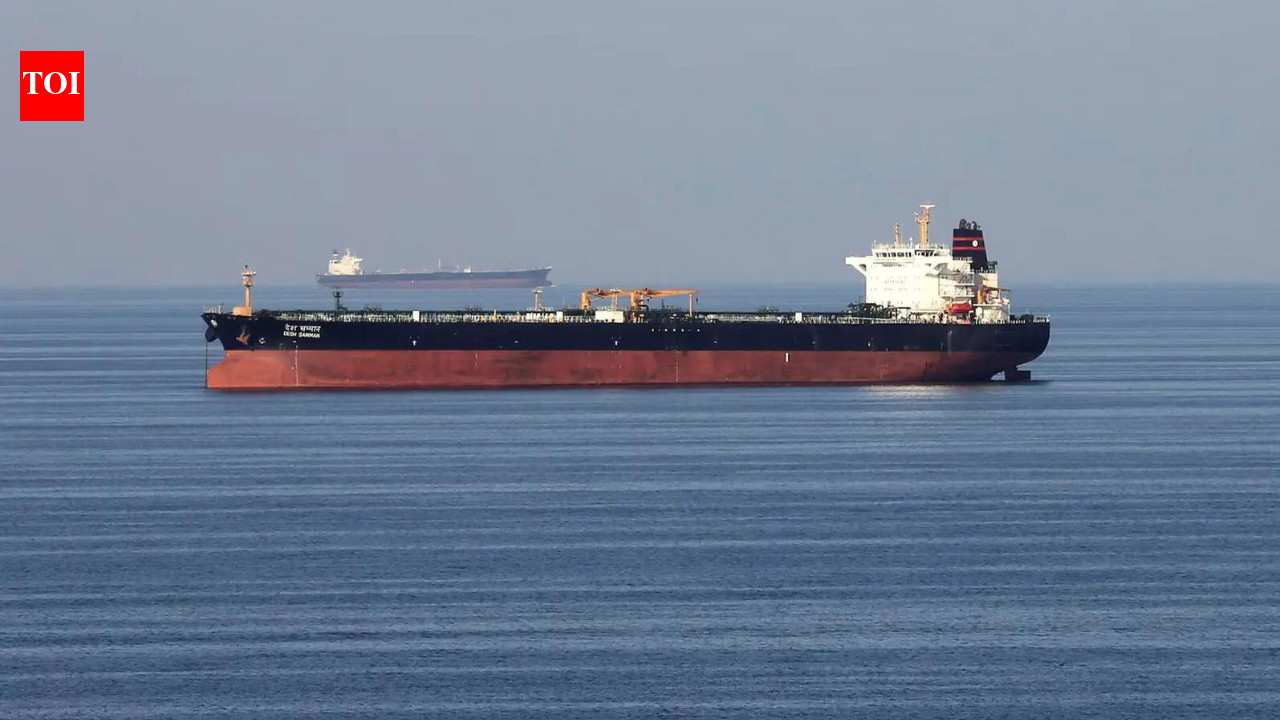
Meanwhile, international shipping lanes remain perilous. The United Kingdom Maritime Trade Operations agency reported that a commercial tanker was struck by an uncrewed aerial vehicle while executing an outbound transit of the Strait of Hormuz. The vessel sustained minor damage, and all crew members were reported safe, with no environmental contamination detected. The incident followed separate condemnations from Bahrain and the Gulf Cooperation Council regarding recent drone strikes targeting Abu Dhabi National Oil Company tankers in the strategic waterway.
Tehran has pushed back against Washington's economic and military pressure. Newly appointed Basij chief Hossein Taeb claimed during a visit to Qom that the Strait of Hormuz remains under the management and control of the Islamic Republic, asserting that American efforts to challenge Iranian dominance in the channel have failed. Iranian officials have maintained that commercial traffic will not resume normal operations until Washington lifts economic sanctions and releases frozen state assets.
The geopolitical fallout has rippled across multiple fronts. In Yemen, fighting between government forces and Iran-backed Houthi rebels raged overnight, compounding regional instability. Meanwhile, US Central Command announced the creation of Task Force Falcon Strike, a new multi-domain multinational attack drone unit designed to integrate one-way attack systems across air, surface, and subsurface maritime domains alongside regional partner nations.
Key Regional Developments
- Naval Blockade: Washington maintains it can rotate vessels to enforce restrictions on Iranian ports indefinitely.
- Economic Pressure: The Treasury Department has teased upcoming financial restrictions described as unprecedented in scope.
- Strait of Hormuz: Recent drone strikes on commercial tankers underscore ongoing volatility in the vital energy shipping lane.
- Diplomatic Outreach: Pakistan continues to advocate for bilateral frameworks as a solution to escalating Middle East hostilities.
Global economic stress indicators continue to flash red in the wake of the prolonged hostilities. The International Energy Agency recently forecasted a steep drop in worldwide oil supplies for the year, while humanitarian agencies reported worsening water crises affecting millions of displaced civilians in Gaza. Broader coverage of ongoing international developments can be followed through World coverage.
What happens next depends heavily on the rollout of the Treasury Department's promised economic measures next week, the potential implementation of regional mediation frameworks, and whether shipping companies can continue navigating the contested waters of the Persian Gulf without triggering a wider conflagration.
How significant is this development?
Contribute your assessment to the aggregated reader sentiment ledger.
Frequently Asked Questions
Key questions answered in this reportWhat is the key development in: US-Iran war LIVE: Pakistan FM Ishaq Dar tells US Islamabad MoU is only way forward?
Pakistan's Foreign Minister Ishaq Dar has urged the US to adopt the Islamabad MoU as regional tensions mount, amid an indefinite American naval blockade of Iran.
Why is this World development significant for the UK?
This report covers critical events in our World beat. Independent reporting monitors related UK statements, regulatory shifts, and public responses as further verified details emerge.
How was this reporting corroborated and verified?
Newsarchy UK compiles and cross-references reporting from primary reporting from livemint.com and cross-checked wire reports. All coverage adheres to published editorial standards.
When was this report published?
This briefing was published on August 14, 2026 and is permanently cataloged in the Newsarchy UK World archives.