Chris Van Hollen challenges Chuck Schumer for Senate majority leader
Maryland Senator Chris Van Hollen has launched a leadership challenge against Chuck Schumer for Senate majority leader following Democratic midterm gains.

Maryland Senator Chris Van Hollen launched a leadership challenge against Chuck Schumer for Senate majority leader, aiming to capitalize on Democratic midterm gains to unseat the party's longtime head.
The announcement sets up an intra-party clash within Capitol Hill politics following a midterm election cycle that upended political assumptions. According to reporting by CNBC, Democrats secured a majority in the chamber, leaving the party with a newly won Senate majority and a fresh mandate from voters. Yet that electoral sweep has immediately sparked a battle over the future direction of the caucus, pitting establishment loyalists against progressive reformers demanding a clean break from past legislative compromises.
Media additions
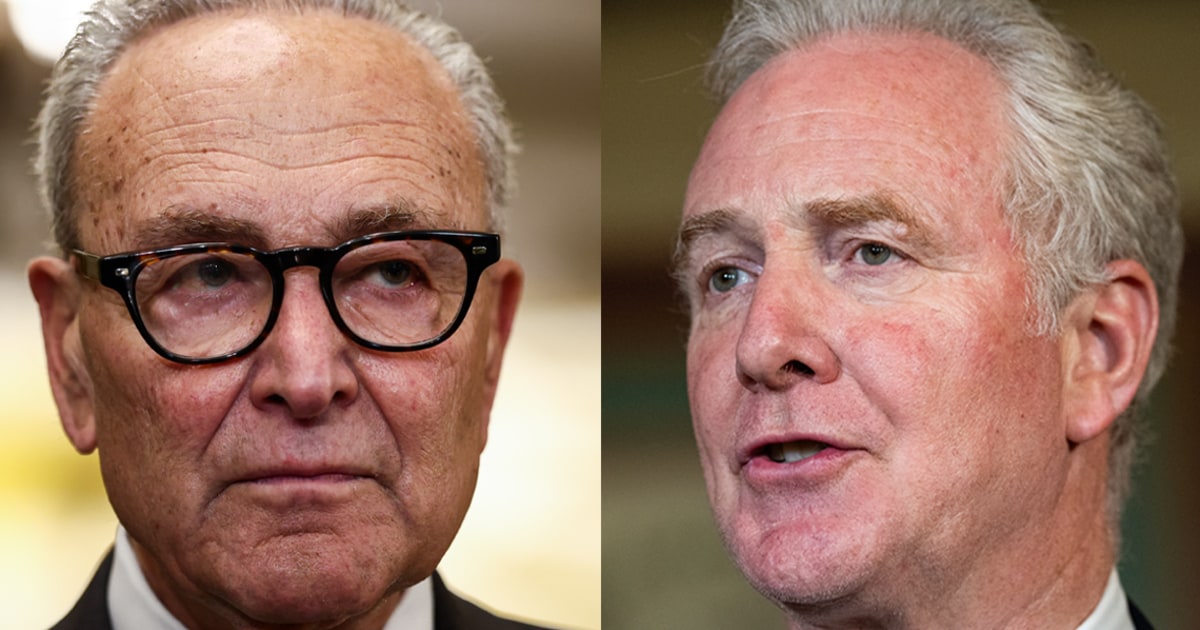
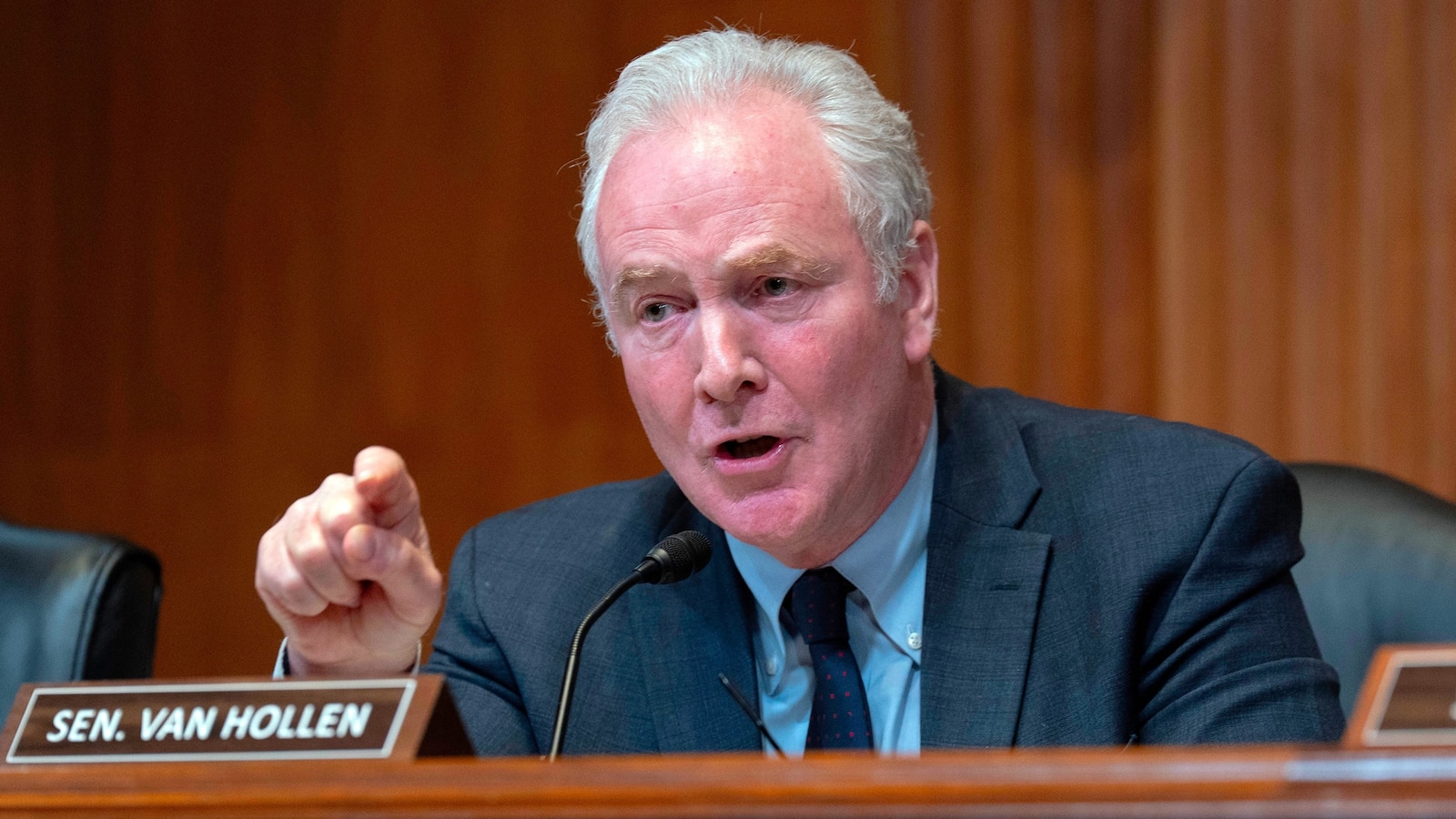

Van Hollen, who represents Maryland, stated that voters demanded an end to business as usual. Yahoo News reported that the challenger told MS NOW host Jen Psaki that the outcome represented a generational opportunity. You can't earn that trust with old leadership. You need to move on to new leadership,
Van Hollen said, according to the broadcast.
Schumer quickly pushed back against the challenge. In a post on social media cited by CBS News, the five-term senator defended his record as party leader since the year 2017 and pointed to the party's expanding seat count. I welcome any discussion about the future of our caucus and the important work ahead,
Schumer wrote, adding that he maintains the necessary support to secure another term. I'm proud of what we've accomplished together—55 seats and counting is an amazing result—and I have the votes to continue serving as Democratic Leader.
The legislative landscape has shifted dramatically since earlier congressional battles. As noted by Euronews, internal party friction intensified in early 2025 when Schumer found himself on the defensive after siding with Republicans on a government spending vote. Although Schumer later unified the caucus through a record-breaking government shutdown and helped orchestrate the recent election wins, progressive critics argue that the party must adopt a more confrontational approach toward special interests and foreign policy.
The Factions Line Up
The leadership contest has divided the Democratic caucus between pragmatic defenders of the current structure and insurgents arguing for systemic change. Supporters of the incumbent credit his extensive candidate recruitment efforts and campaign fundraising with delivering the chamber's new majority.
| Senator / Official | Affiliation | Stance on Leadership |
|---|---|---|
| Chris Van Hollen | Democrat (MD) | Challenging for Majority Leader |
| Chuck Schumer | Democrat (NY) | Defending Incumbent Leadership |
| Bernie Sanders | Independent (VT) | Supporting Van Hollen |
| Abdul El-Sayed | Democrat-elect (MI) | Supporting Van Hollen |
| Angus King | Independent (ME) | Supporting Schumer |
| Kirsten Gillibrand | Democrat (NY) | Supporting Schumer |
| Brian Schatz | Democrat (HI) | Supporting Schumer |
| Elissa Slotkin | Democrat (MI) | Withholding vote, seeking change |
Among those rallying behind Van Hollen is Vermont Independent Bernie Sanders, who announced that he would not support Schumer, according to Npr. Sanders praised the challenger for taking on powerful special interests. Michigan Senator-elect Abdul El-Sayed also threw his backing behind the Maryland Democrat, noting that the caucus requires bold leadership to earn its mandate from the public.
Conversely, defenders of the incumbent have argued that replacing a successful leader is counterproductive. Maine Independent Angus King compared the situation to sports management, writing on social media in remarks captured by NBC News: Why would you fire the manager when you just won the World Series?
King praised Schumer's mastery of the legislative process.
Similarly, New York Senator Kirsten Gillibrand credited Schumer's strategic oversight of the midterm campaign apparatus. Hawaii Senator Brian Schatz also endorsed the incumbent, emphasizing that the party must move quickly to unify.
Policy Differences and Strategy
Beyond personal leadership styles, the contest highlights substantive disagreements over policy and legislative leverage. According to reporting by CBS News, Van Hollen has criticized Schumer for working behind the scenes to influence open primaries in favor of preferred candidates, pointing out that several incoming senators would not be in office if the current leader had prevailed.
On foreign policy and government spending, Van Hollen argues that Democrats should use upcoming fiscal deadlines as hard leverage. He told interviewers that the party must use the December government funding measure to force an end to the war against Iran rather than treating the issue as a secondary concern. Van Hollen has also taken progressive positions on foreign aid and previously drew national attention for his advocacy regarding humanitarian issues and international diplomacy.
While Van Hollen conceded he enters the race as an underdog relying on private commitments from more than 10
colleagues, he maintains that the secret ballot allows uncommitted members to register a desire for change without external pressure.
What to Watch Next
- Democratic senators will continue private discussions and caucus meetings to debate leadership priorities and legislative agendas for the upcoming congressional term.
- Lawmakers face an impending government funding deadline, which Van Hollen's camp aims to use as a test of legislative leverage against the executive branch.
- The full Democratic caucus will settle the leadership question during a closed-door, secret-ballot vote scheduled for December 1.
- The final partisan breakdown of the upper chamber remains subject to the final certification of the uncalled Senate race in Alaska.