Pakistan suicide bombing at antimilitant rally kills 14
A suicide bomber targeting an antimilitant demonstration in Pakistan's Swat Valley killed 14 people and injured more than two dozen others.
- Core Development: A suicide bomber targeting an antimilitant demonstration in Pakistan's Swat Valley killed 14 people and injured more than two dozen others.
- Beat Context: Categorized under World with independent corroboration.
- Reporting Depth: 3 minute analytical read synthesized from verified newsroom sources.
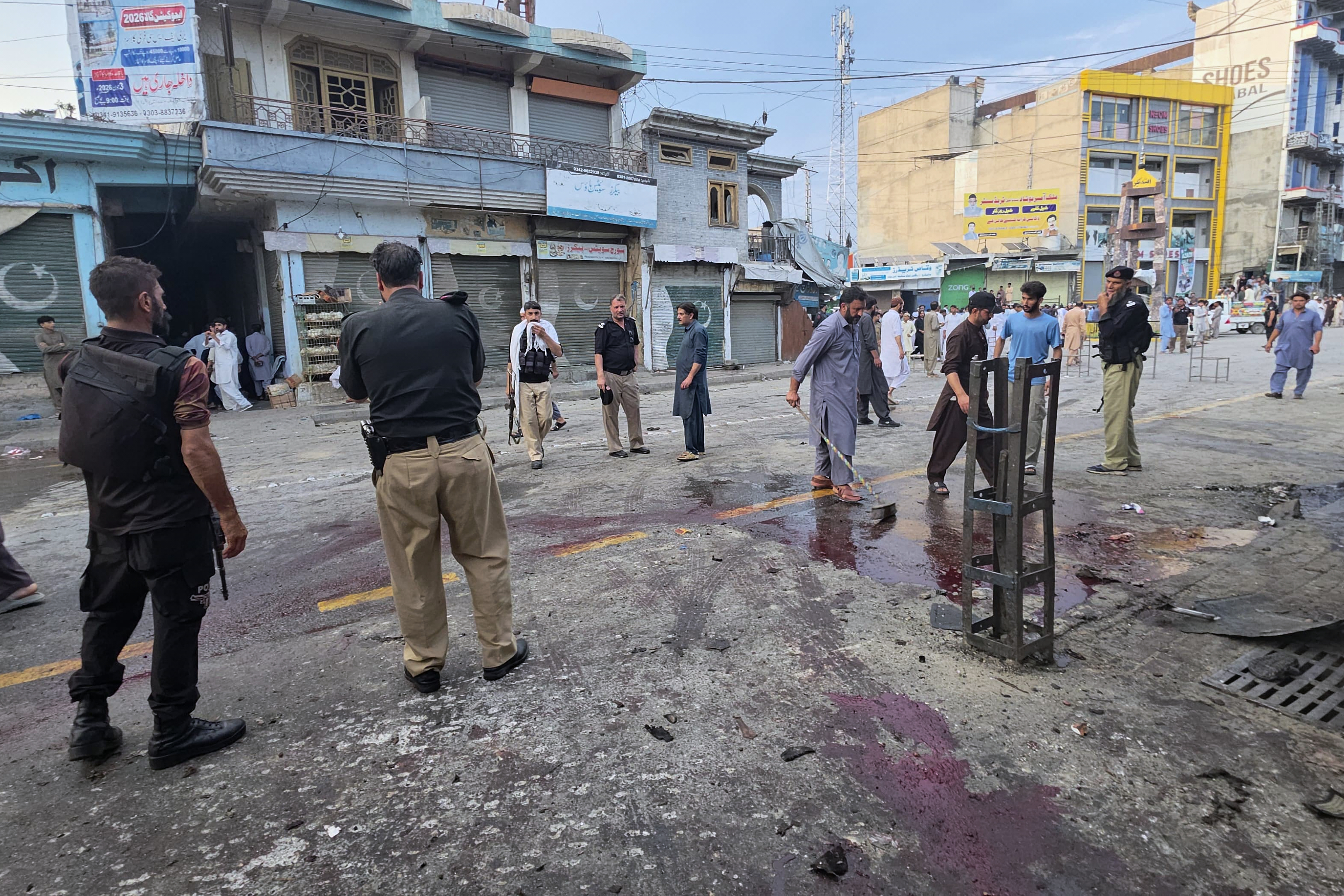
A suicide bomber targeted an antimilitant demonstration in northwestern Pakistan on Sunday, leaving at least 14 people dead and wounding more than two dozen others, according to reporting carried by Aol. The blast struck a crowd of civilians and police officers gathered near a police station in Kabal, a town situated in the Swat Valley of Khyber Pakhtunkhwa province.
Demonstrators had assembled to demand peace and chant slogans against regional militancy. District police chief Omar Khan confirmed the casualty toll, noting that the dead included at least nine civilians and five officers. Bilal Faizi, a spokesman for the Khyber Pakhtunkhwa provincial emergency service, detailed that the bomber hit the crowd while participants were actively voicing demands for security.
Media additions

Prior to the explosion, speakers addressed the rally by arguing that securing the region and eliminating militant threats remained the fundamental responsibility of the state. According to witnesses, participants also accused local authorities of failing to take decisive action against armed groups, expressing a desire among residents to live free from the threat of violence that has previously devastated the area.
The Swat Valley holds a troubled history with radical groups. It previously served as a stronghold for Islamic militants who enforced a strict interpretation of Sharia before a large-scale military operation in 2007 drove them out and re-established state control. Recent months, however, have seen militants resurface in the valley, prompting residents to stage repeated protests and anti-Taliban rallies over fears that the Pakistani Taliban are attempting to re-establish a local foothold.
No organization immediately claimed responsibility for Sunday's bombing. Officials and observers anticipate that suspicion will center on the Pakistani Taliban, formally known as Tehrik-e-Taliban Pakistan, or TTP. The group operates separately from, yet maintains an alliance with, Afghanistan's Taliban rulers. Islamabad has repeatedly alleged that Kabul harbors TTP fighters who fled to Afghanistan following the return of the Taliban there in 2021, an accusation that Afghanistan's government consistently denies.
Top government figures issued swift condemnations following the attack. Pakistan’s President Asif Ali Zardari and Prime Minister Shehbaz Sharif released separate statements expressing deep sorrow, offering condolences to grieving families, and vowing that the nation's counterterrorism campaign will continue until the threat is completely eradicated. Both leaders directed medical personnel to provide optimal care for the injured. Interior Minister Mohsin Naqvi issued a similar statement extending condolences and wishing the wounded a swift recovery.
The incident unfolds amid a broader surge in militant violence across Pakistan, particularly targeting security forces and police units. Broader regional reporting via Yahoo News highlights data provided by Pakistani military spokesman Ahmad Sharif Chaudhry on Friday, outlining the scale of the ongoing security crisis.
Key Security Figures Released by the Military
- Total terrorism incidents recorded since January: 3,145
- Militants killed by security forces since January: 2,084
- Pakistanis killed since January (including soldiers, police, and civilians): 819
- Afghanistan-based suicide attacks recorded since January: 28
Chaudhry asserted that the majority of recent suicide attacks were carried out by Afghan nationals or individuals tied to Afghanistan's security forces. He maintained that militant networks continue staging attacks inside Pakistan with backing from Afghanistan's rulers, reinforcing Pakistan's stated intent to target the TTP and its support infrastructure.
As noted by Krdo and the Los Angeles Times, the attack underscores the fragile security environment in the country's northwest, where local populations increasingly find themselves on the front lines against resurging insurgent networks.
How significant is this development?
Contribute your assessment to the aggregated reader sentiment ledger.
Frequently Asked Questions
Key questions answered in this reportWhat is the key development in: Pakistan suicide bombing at antimilitant rally kills 14?
A suicide bomber targeting an antimilitant demonstration in Pakistan's Swat Valley killed 14 people and injured more than two dozen others.
Why is this World development significant for the UK?
This report covers critical events in our World beat. Independent reporting monitors related UK statements, regulatory shifts, and public responses as further verified details emerge.
How was this reporting corroborated and verified?
Newsarchy UK compiles and cross-references reporting from primary reporting from aol.com and cross-checked wire reports. All coverage adheres to published editorial standards.
When was this report published?
This briefing was published on August 3, 2026 and is permanently cataloged in the Newsarchy UK World archives.