Kremlin says Trump and Putin plan to meet at APEC summit in China
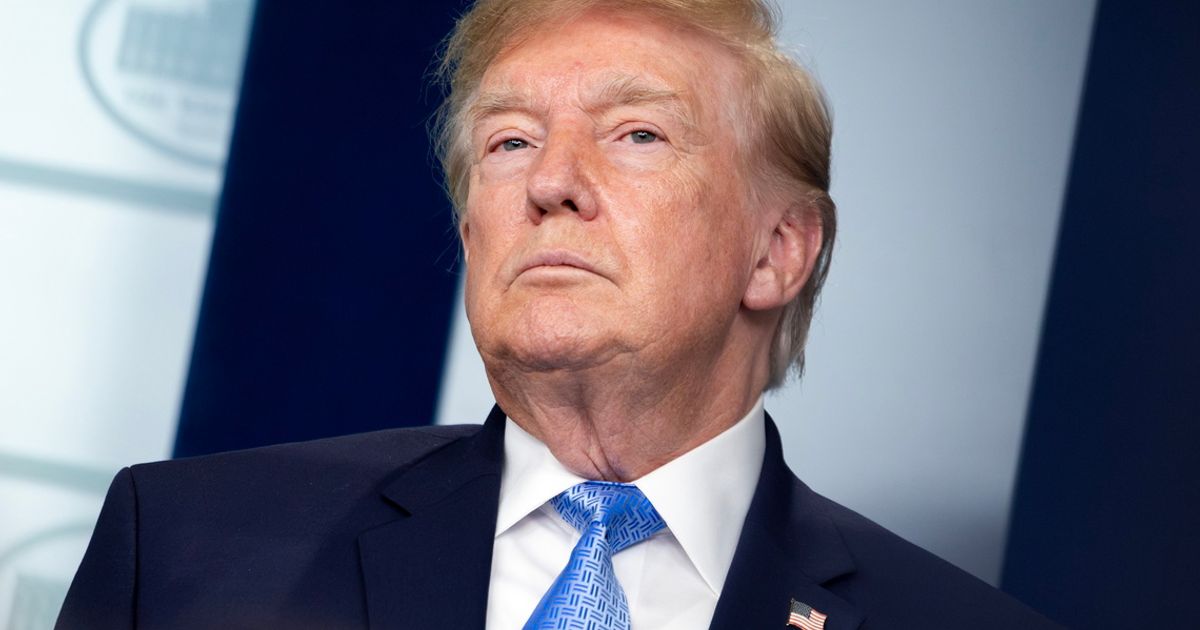
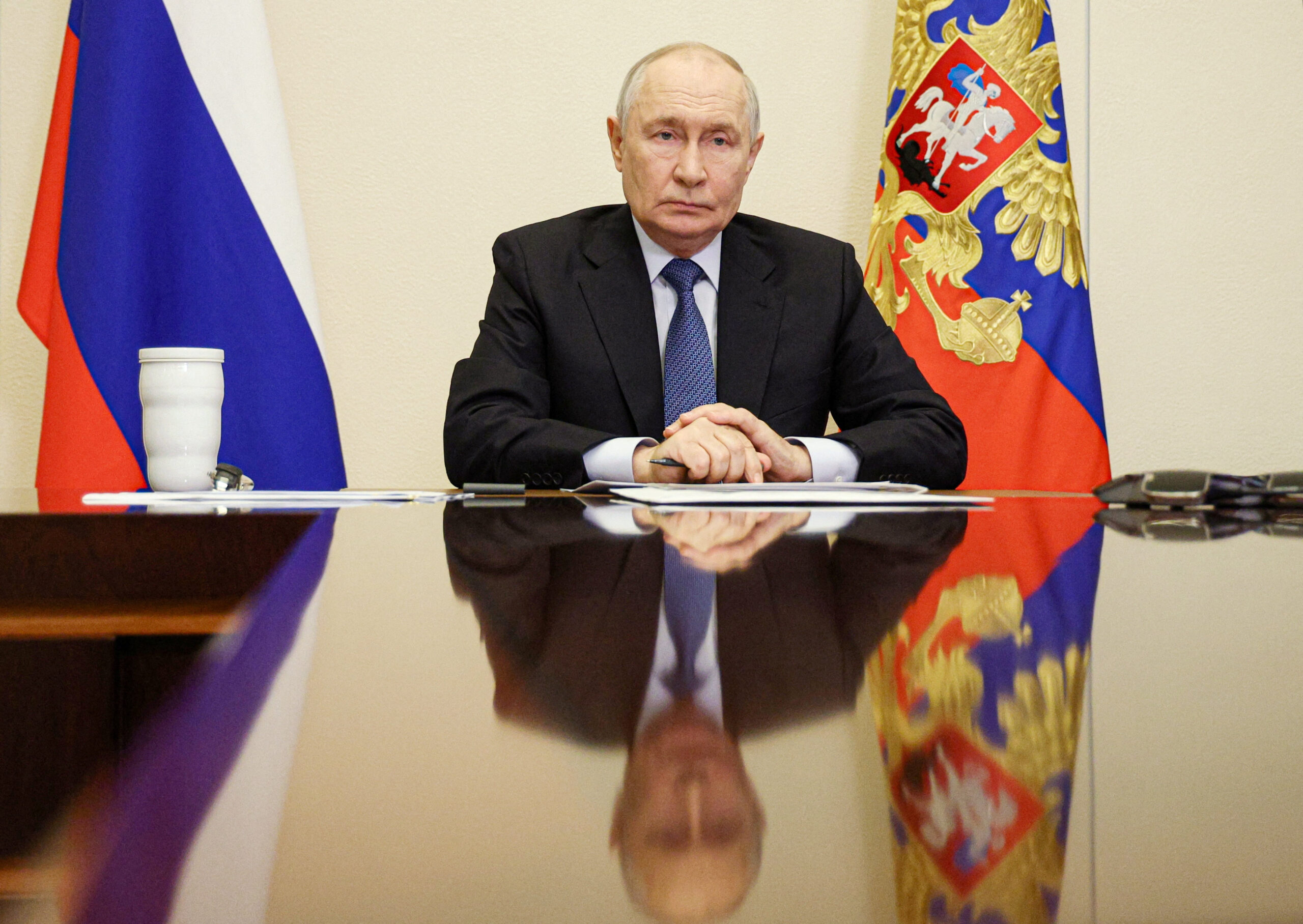
Russian President Vladimir Putin and U.S. President Donald Trump plan to meet in Shenzhen, with preparations continuing for a potential gathering with Chinese President Xi Jinping.

Russian President Vladimir Putin and U.S. President Donald Trump plan to meet in Shenzhen, with preparations continuing for a historic three-way gathering that also involves Chinese President Xi Jinping.
The announcement of the diplomatic schedule, confirmed by Inter Press Service reporting via Intercontinental Press, comes amid high stakes over arms control, trade, and the ongoing war in Ukraine. According to Yuri Ushakov, a foreign policy adviser to Putin, the two leaders intend to discuss all issues related to a settlement in Ukraine. The development follows meetings in Moscow between the Russian leader and U.S. Envoys Steve Witkoff and Jared Kushner, which took place just a day after U.S.-mediated talks between Russian and Ukrainian delegations concluded in Abu Dhabi.
Media additions
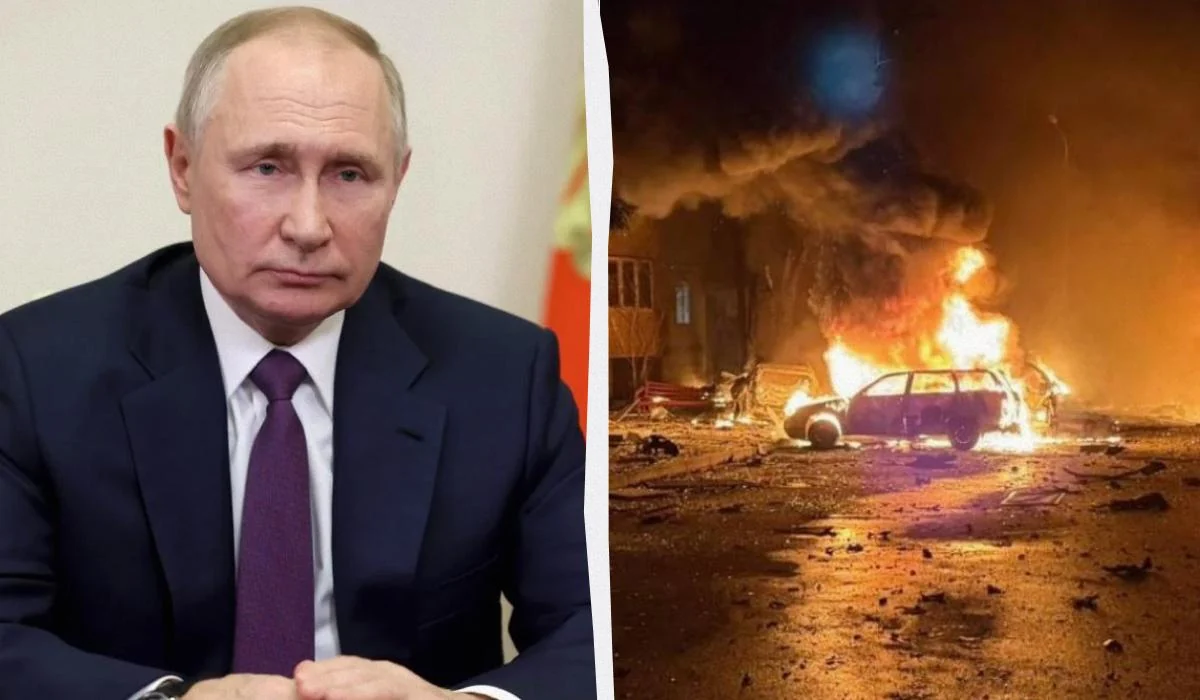
The timing of the diplomatic maneuver places the proposed gathering immediately after a tumultuous political week. As reported by international correspondents, Trump's party lost both chambers of Congress in midterm elections, while opposition lawmakers have signaled intentions to challenge executive policies on the war in Iran and sweeping tariffs. Analysts note that these domestic political shifts could influence how Beijing and Moscow calculate the American administration's staying power on the world stage.
Diplomatic Formats and Competing Agendas
While Moscow portrays the upcoming engagements as a direct continuation of talks aimed at resolving the conflict in Ukraine, Washington has emphasized separate priorities. U.S. Officials have pointed to nuclear arms reduction and trade as core agenda items. Beijing has maintained a more cautious posture, with China's Foreign Ministry confirming only that it is maintaining communication with relevant parties regarding a potential meeting of the three heads of state without releasing an official schedule or agenda.
The trilateral concept itself remains fluid. A senior U.S. Official confirmed that Putin had originally proposed the meeting during an autumn phone call, and Secretary of State Marco Rubio acknowledged that discussions were ongoing. However, the format has drawn sharp criticism from Kyiv. Ukrainian Foreign Minister Andrii Sybiha warned that a meeting between Russia, China, and the United States would encourage Moscow to continue its military campaign rather than halt it, arguing that it would grant the Russian leader an unwarranted level of international stature.
| Actor / Nation | Stated Priority for Proposed Meeting | Position on Trilateral Format |
|---|---|---|
| Moscow (Kremlin) | Ukraine war settlement terms favorable to Russia; security architecture | Strongly supports meetings; seeks continuation of bilateral and trilateral tracks |
| Washington (White House) | Nuclear arms reduction, trade agreements, and regional security | Open to discussions; exploring formats for bilateral and trilateral sessions |
| Beijing (China) | Regional APEC hosting duties; cautious multilateral communication | Cautious; managing host responsibilities while weighing geopolitical risks |
| Kyiv (Ukraine) | Preserving territorial integrity; direct inclusive negotiations | Opposes trilateral US-China-Russia format as detrimental to sovereignty |
Ukraine has continued its own diplomatic and military maneuvers. Delegations met in Abu Dhabi with American mediation, agreeing in principle on a major prisoner exchange while failing to secure breakthroughs on territory or security guarantees. Meanwhile, European Union leaders have pushed for direct representation in any forthcoming settlement talks. European Council President Antonio Costa announced that Brussels plans to dispatch diplomats representing the bloc alongside individual European nations, including the United Kingdom, France, Germany, Italy, and Poland.
Strategic Calculations and Broader Pressures
The diplomatic push unfolds against a backdrop of severe military attrition and shifting geopolitical strategies. According to analyses published by the Atlantic Council, the Kremlin views the conflict not as a localized border dispute, but as an existential quest to extinguish Ukrainian statehood and reverse the collapse of the Soviet Union. Observers suggest that Putin faces stark alternatives between total victory and endless escalation, with domestic political survival tied closely to wartime mobilization and the prevention of dissent.
At the same time, experts point to the broader risks of escalation involving European security. Analysts monitoring hybrid warfare tactics note that increased gray-zone operations across Europe and heavy bombardment of Ukrainian energy and civilian infrastructure continue to strain regional stability.
Further complicating the geopolitical landscape, regional tensions extend far beyond Eastern Europe. Observers tracking Asian security note major military drills surrounding Taiwan, ongoing disputes concerning maritime security, and shifting alliances in the Indo-Pacific region. These developments intersect directly with the wider world coverage of great-power competition, nuclear deterrence, and bilateral trade negotiations.
What to Watch Next
- Official announcements from the White House and the Kremlin detailing the confirmed format and agenda of the Shenzhen meetings.
- Developments regarding European participation in upcoming diplomatic tracks concerning the future security architecture of Ukraine.
- Further statements from Beijing concerning the management and scheduling of multilateral sessions during the regional economic summit.