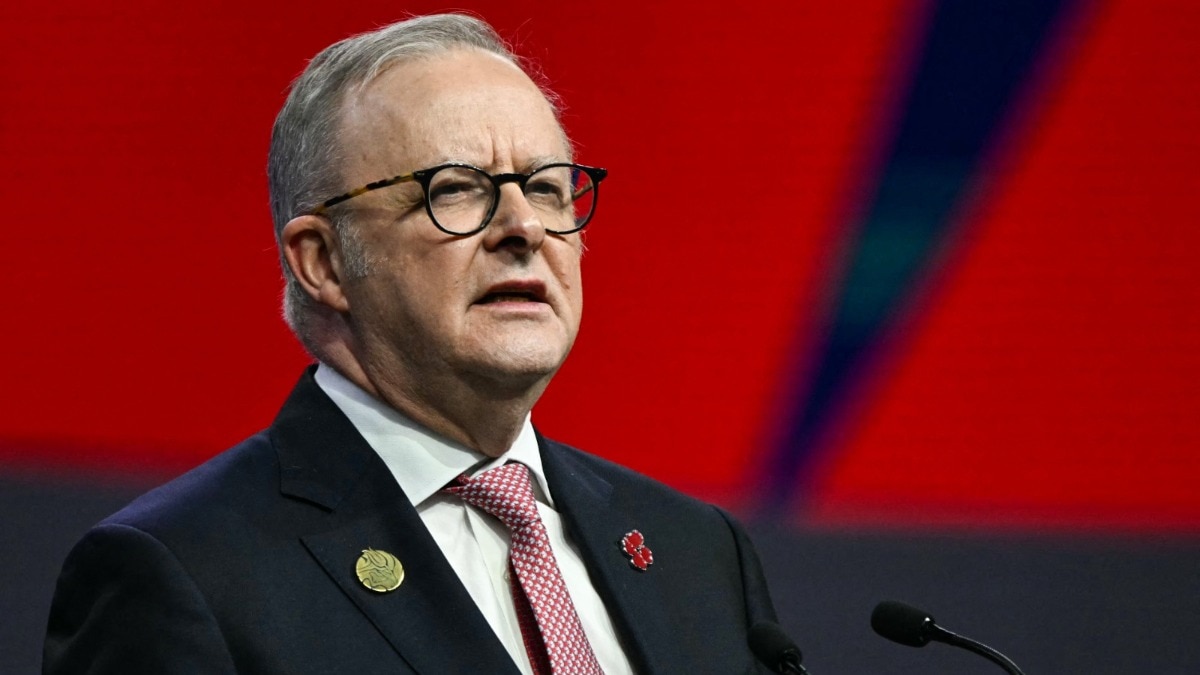
Trump to discuss nuclear arms cuts with Putin and Xi in China
US President Donald Trump is set to push for global nuclear arms reductions during an unprecedented three-way summit with Vladimir Putin and Xi Jinping in China.
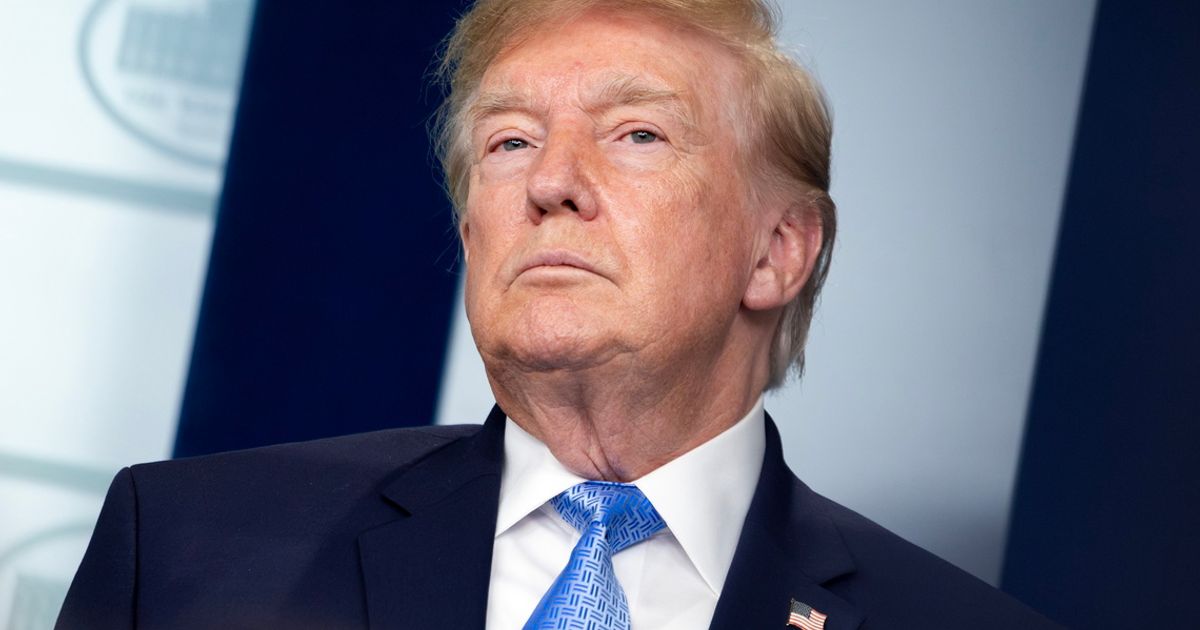
US President Donald Trump will press for global nuclear arms reductions during an unprecedented three-way summit with Russian President Vladimir Putin and Chinese President Xi Jinping, risking fresh geopolitical friction as international powers gather in China.
The historic gathering is scheduled to take place on Thursday on the sidelines of the Asia-Pacific Economic Cooperation forum in Shenzhen, according to confirmations from the White House and the Kremlin. White House spokeswoman Olivia Wales told reporters that the American leader believes the proliferation of nuclear weapons is very dangerous.
Media additions


Plans for the trilateral summit follow the expiry of the New Strategic Arms Reduction Treaty between Washington and Moscow. President Trump rejected a Russian proposal to extend that pact for another year, insisting instead on a modernized framework that brings Beijing into negotiations. Yet China has historically resisted direct engagement on its nuclear programme, arguing that the US and Russia carry an obligation to negotiate directly due to their vastly larger atomic arsenals.
Pentagon and Stockholm International Peace Research Institute estimates illustrate the vast disparity in global nuclear stockpiles:
| Nation | Estimated Arsenal Size |
|---|---|
| Russia | More than 5,000 warheads (most stored warheads globally) |
| United States | More than 5,000 warheads |
| China | More than 600 warheads |
A senior Trump administration official briefing reporters acknowledged that expectations for concrete outcomes remain minimal. As reported by Straitstimes, the official stated:
Describing the session as the beginning of a longer-term dialogue, the official maintained that no binding agreements are expected to emerge from the room."We do not expect to get to any kind of agreement. This is a difficult topic for China to address, but we do think it’s time for China to sort of step up, you know, to the adults’ table, if you will, and have adult conversations about adult things."
Senior Trump administration official, via Straitstimes
The agenda in Shenzhen will also touch upon the US-Israeli war against Iran, according to CBS News. However, administration officials emphasized that Russia's ongoing war in Ukraine will intentionally be kept off the table during the trilateral huddle. Officials noted that Washington pursues a separate diplomatic track regarding Ukraine involving direct discussions with Moscow and Kyiv, rendering a trilateral setting with Beijing inappropriate for those specific negotiations.
That omission has done little to soothe concerns in Europe and Ukraine. Ukrainian President Volodymyr Zelenskyy has voiced deep anxiety that the summit could provide a platform for major powers to negotiate a settlement regarding his country's future behind Kyiv's back. Analysts have drawn historical parallels between the Shenzhen summit and the 1945 Yalta Conference, where Allied leaders shaped the postwar order of Europe.
Those historical comparisons have been publicly rejected by Moscow. Kremlin spokesman Dmitry Peskov noted that any agreements reached in Shenzhen could not be unilaterally imposed on other nations, while nonetheless praising the summit as extremely significant. Meanwhile, experts like Edgard Kagan, a former US ambassador to Malaysia now at the Center for Strategic and International Studies, observed in reports carried by WILX that President Putin likely views the trilateral format as a coveted opportunity to project superpower parity alongside Washington and Beijing.
The summit threatens to complicate Beijing's diplomatic balancing act at APEC. Hoo Tiang Boon, a professor of Chinese foreign policy at Nanyang Technological University, suggested that participating in a high-stakes nuclear showdown initiated by Washington could run counter to China's broader efforts to portray itself as a steadfast defender of multilateralism and free trade.
President Trump's itinerary begins with a departure from Washington for the Philippines to attend a meeting of the Association of Southeast Asian Nations. He will subsequently arrive in Shenzhen for bilateral meetings and a working lunch with President Xi before joining the joint session with President Putin. Billionaire Elon Musk will accompany the US delegation to Asia, though administration officials confirmed he will not participate in the closed-door trilateral talks.
What to watch next
- President Trump's arrival in Asia for regional diplomatic engagements starting on Monday.
- Bilateral talks and working lunches between the US and Chinese delegations in Shenzhen.
- The official trilateral meeting scheduled for Thursday on the sidelines of the APEC summit.