Peru earthquake of magnitude 6.7 damages buildings and injures three
A magnitude 6.7 earthquake struck southern Peru on Thursday, shaking the Andes and triggering emergency responses after damaging homes and facilities.
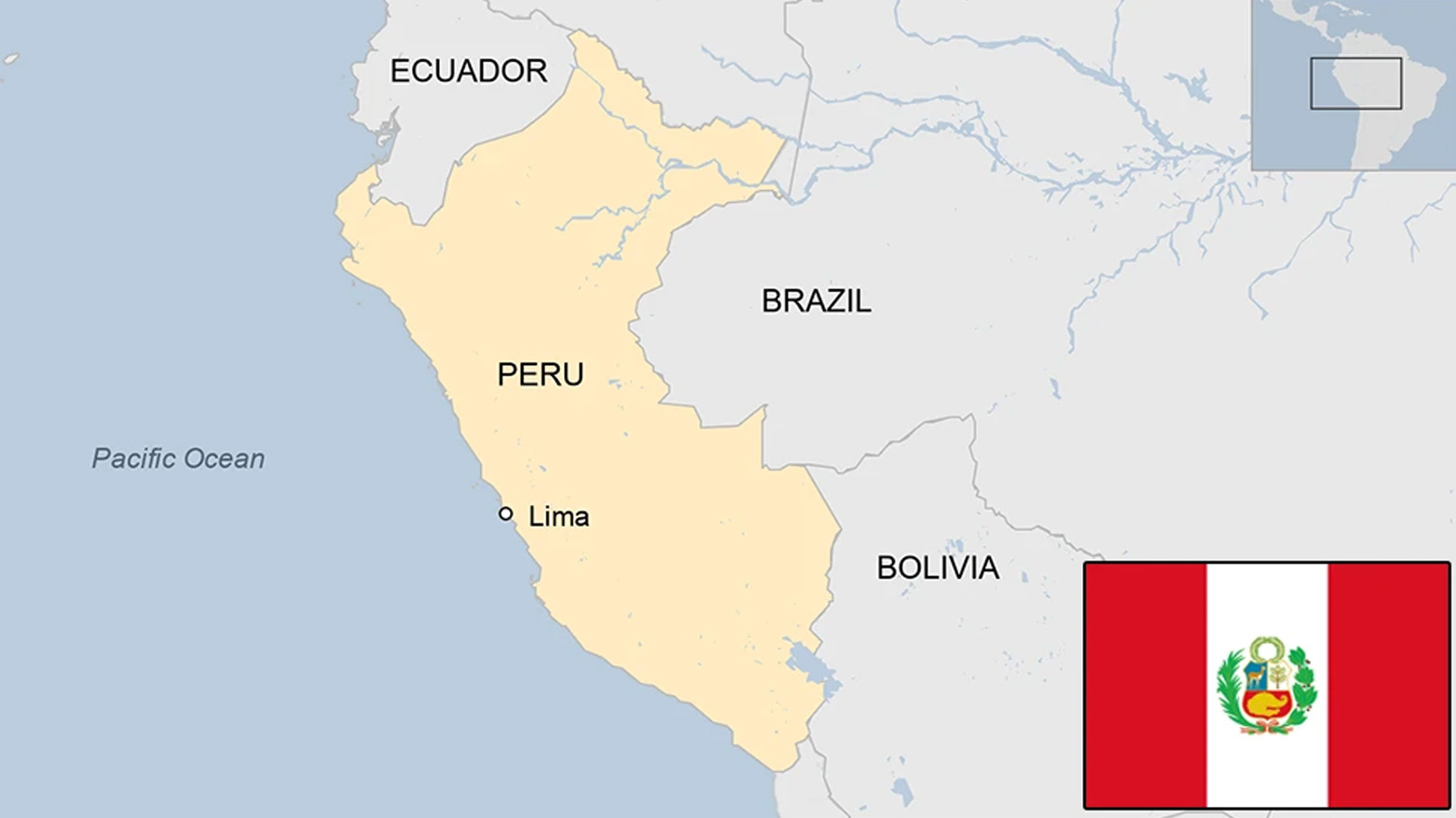
A magnitude 6.7 earthquake struck Peru on Thursday, August 20, 2026, at approximately 1:00 p.m. Local time (18:00 GMT), shaking the southern Andes and triggering emergency responses across multiple regions, according to the United States Geological Survey (USGS). The USGS placed the epicenter 38 kilometres northwest of Upahuacho in the Parinacochas province of the Ayacucho region, at a depth of 66 kilometres. Peru's Geophysical Institute (IGP), through its National Seismological Center (CENSIS), recorded a higher magnitude of 7.2 and an intermediate depth of 108 kilometres, locating the epicenter roughly 35 kilometres north of Coracora in the same province. This initial discrepancy between the two monitoring agencies complicated early assessments of the event's severity.
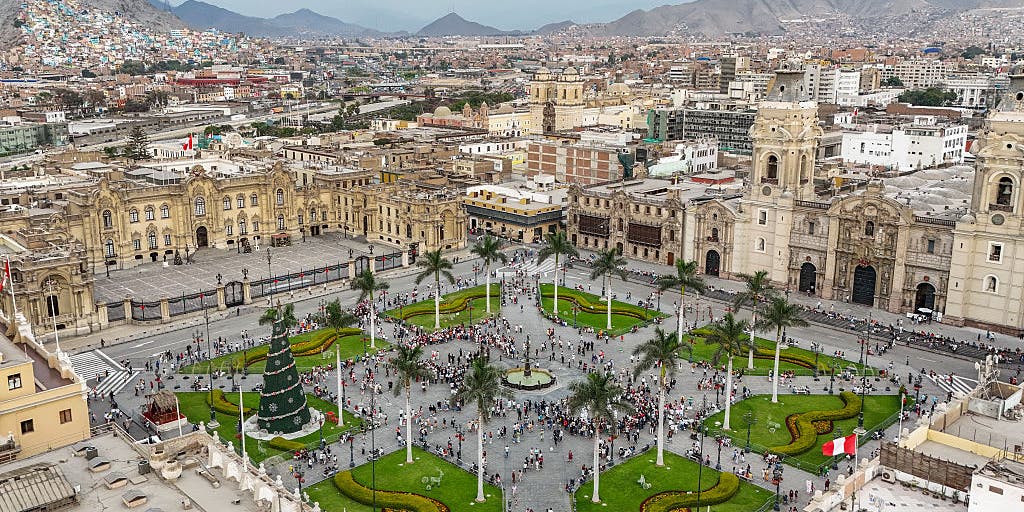
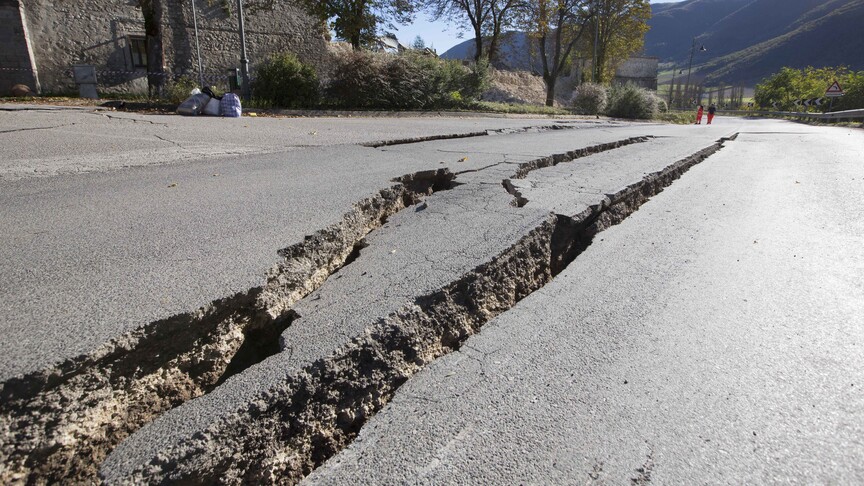
The tremor was felt across a wide swath of southern and central Peru, including Ica, Arequipa, Huancavelica, Apurimac, Cusco, and the capital, Lima. Residents in Cusco fled buildings, with video footage showing students and teachers evacuating a school onto sports fields and residents huddling in the street as the ground shook. In Coracora, a town of about 10,000 people, dust billowed down mountain slopes as rocks and earth tumbled down hillsides. Mayor Yony Odon told state television that the population had responded quickly by evacuating and taking shelter.
Media additions
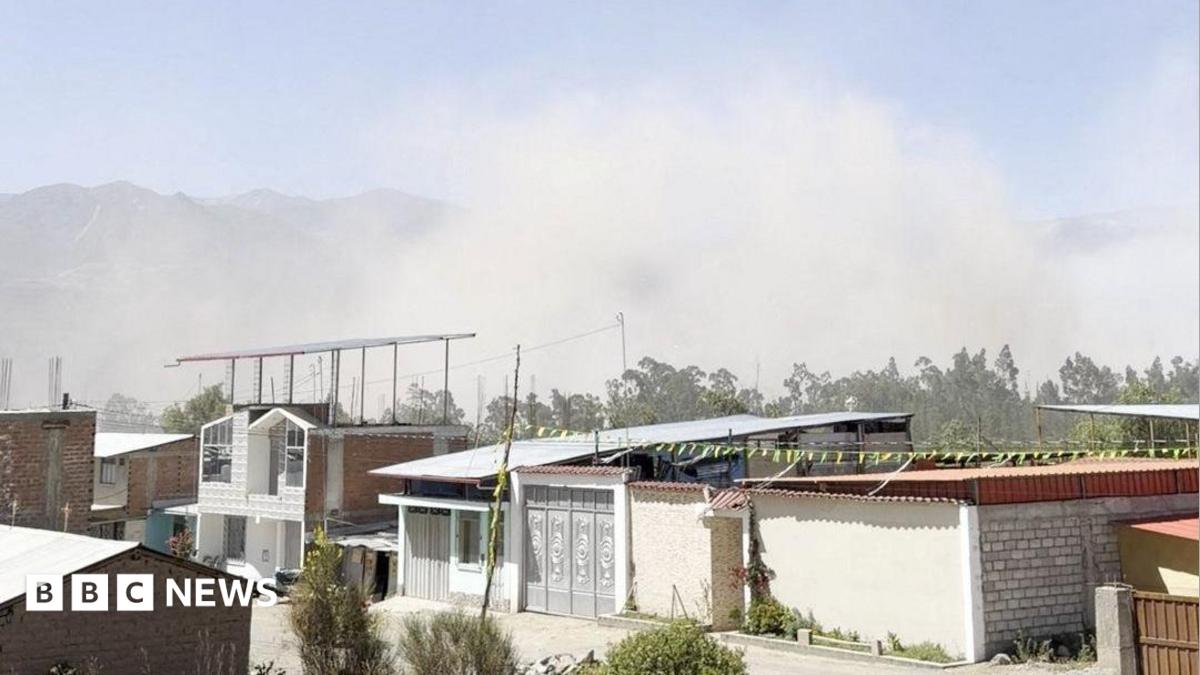
"The population has responded. They evacuated and took shelter,"
Yony Odon, Mayor of Coracora, via state television
Initial damage reports varied as assessments continued through the evening. Peru's National Institute of Civil Defense (INDECI) released a preliminary report at 3:50 p.m. Local time stating that 33 houses had been damaged, one destroyed, and three left uninhabitable. The heaviest damage in that report was recorded in the municipality of Pullo with twelve houses affected, followed by Puquio with eight and Coracora with seven, alongside damage to three schools in Chumpi and six health facilities—three each in Coracora and Puquio—while power was knocked out in the Puquio district. INDECI chief Luis Vasquez Guerrero stressed that no injuries had been reported at that stage.
"Fortunately, there is not a single report of harm to anyone's health,"
Luis Vasquez Guerrero, INDECI chief, via preliminary report
Later reports presented a partly different picture. The Peruvian newspaper El Comercio reported three minor injuries, 22 damaged houses, six schools, and ten health facilities, while CBC and Republic World cited Civil Defense head Luis Vásquez as reporting two people injured while evacuating their homes in Coracora. Defence Minister Rafael Belaunde Llosa, who coordinated the emergency response, confirmed that three people had been hurt but did not suffer serious injuries. Ayacucho's regional civil defense office recorded damage across as many as 18 towns, with ten damaged houses and four declared uninhabitable.
Additional reports from the BBC noted damage to 10 healthcare facilities in the Ayacucho region and two in neighbouring Cusco, with services remaining operational, alongside around 9,000 properties losing power and nine educational facilities sustaining damage. Kurdistan24, citing AFP and seismic authorities, similarly reported at least three injuries and damage to at least 22 homes, six schools, and 12 medical centres across districts including Puquio, Pullo, Coracora, Upahuacho, San Pedro, and Pichari.
Two aftershocks followed the main tremor: a magnitude 4.2 at 4:30 p.m. At a depth of 108 kilometres, and a magnitude 4.0 at 8:24 p.m. At a depth of 116 kilometres, both centred less than 30 kilometres north of Coracora, according to INDECI and the IGP. Following a period of heightened seismic activity across the country's northern and southern regions, the IGP urged the public to remain vigilant, review household evacuation protocols, and keep emergency supply kits ready.
Defence Minister Belaunde Llosa announced the deployment of resources to assist affected areas.
"Two INDECI Rapid Response Groups for emergencies are in Puquio. In addition, three specialists from that brigade are on their way to Coracora with blankets and equipment to assist those affected,"
Rafael Belaunde Llosa, Defence Minister
The earthquake occurred amid a broader cluster of major seismic events in South America, following a magnitude 7.4 earthquake in Colombia on August 10 that left nearly 300 people dead and prompted a state of emergency, and twin earthquakes in Venezuela on June 24 with magnitudes of 7.2 and 7.5 occurring 39 seconds apart, which killed more than 6,000 people. Peru sits along the Pacific Ring of Fire, where the Nazca and South American tectonic plates converge, making strong earthquakes a regular threat. One of the most destructive in recent decades occurred in the Ica region in 2007, leaving nearly 600 people dead.
Officials continue to survey remote municipalities to finalize damage registers as aftershocks persist. The Peruvian Navy ruled out a tsunami threat. Geophysicists noted that the intermediate depth of the quake helped absorb much of the seismic energy before reaching the surface, resulting in a Mercalli intensity rating of III-IV (light to moderate shaking) near the epicenter, though the USGS estimated that more than 100,000 people may have experienced moderate shaking at level V, with about 1,000 feeling strong shaking at level VI.