Russia Extends Diesel Export Ban Until Oct. 31
Russia has extended its ban on direct diesel and marine fuel exports until October 31, 2026, to stabilize the domestic fuel market amid ongoing attacks.
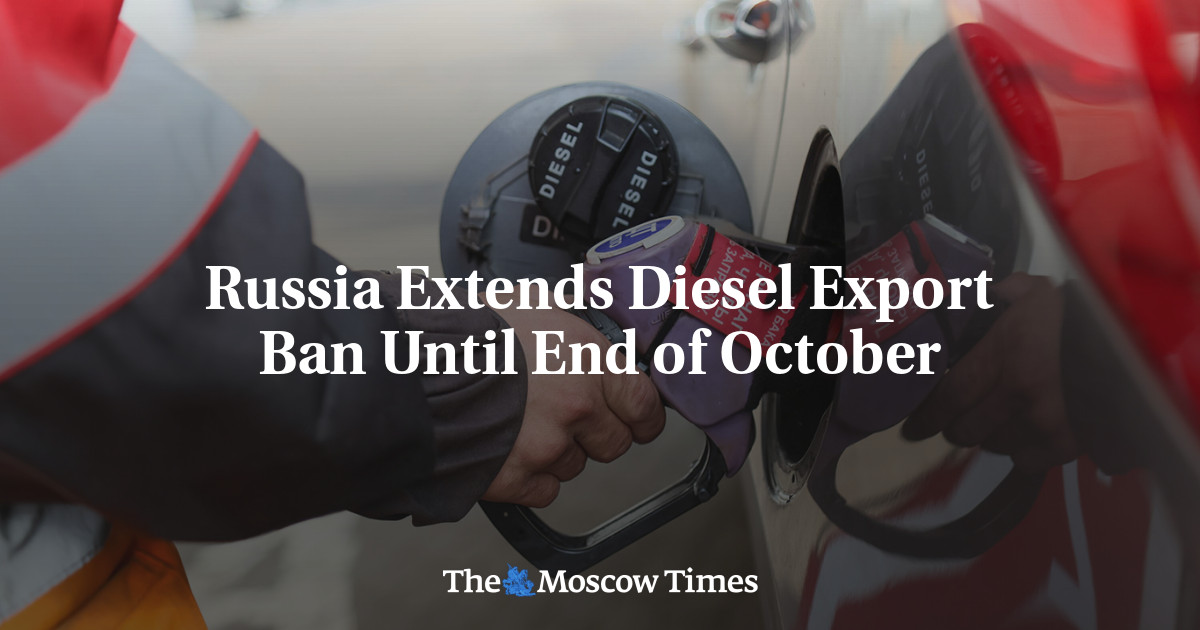
- Core Development: Russia has extended its ban on direct diesel and marine fuel exports until October 31, 2026, to stabilize the domestic fuel market amid ongoing attacks.
- Beat Context: Categorized under World with independent corroboration.
- Reporting Depth: 4 minute analytical read synthesized from verified newsroom sources.
Russia has extended its ban on exports of diesel, marine fuel, and gasoil by direct producers until October 31, 2026, according to announcements made on Wednesday, September 30, 2026. The measure, formalized through a government decree, keeps global middle distillate markets under pressure as the tightening international energy landscape continues to cope without traditional Russian shipments. The ongoing restriction comes in response to severe domestic fuel shortages driven by persistent Ukrainian drone attacks on Russian refining infrastructure, compounding broader supply constraints stemming from conflicts in the Middle East.
The Russian government stated that the decision was taken to maintain stability in the domestic fuel market, particularly to meet elevated demand for motor fuel during the agricultural harvest season, as reported by Oilprice. This latest continuation follows a series of rolling one-month extensions that began during the summer. While the direct producer restriction was previously slated to expire on September 30, 2026, broader curbs remain active. A separate diesel export ban for non-producers stays in effect through January 2027, an export ban on jet fuel runs through November 30, 2026, and a total ban on gasoline exports is scheduled through January 2027, according to reporting by The Moscow Times and Anadolu Agency.
Media additions
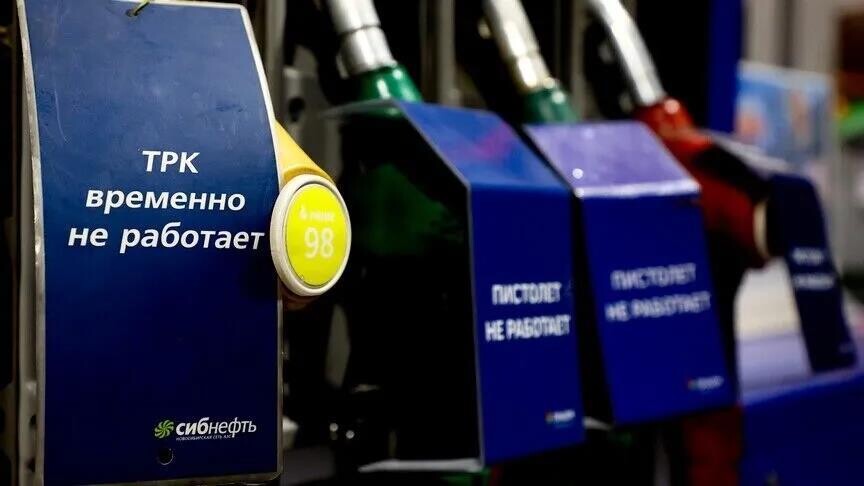

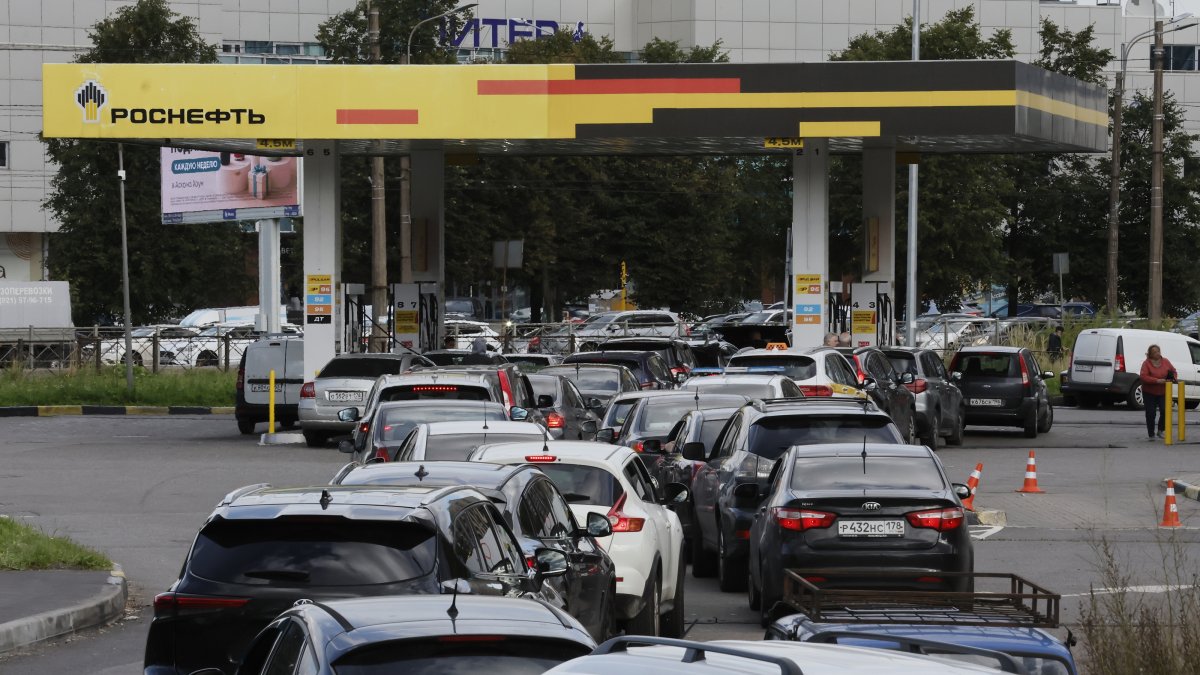
Before the introduction of these export limits, Russia accounted for approximately ten percent of global sebroane diesel supply, traditionally ranking as the world's second-largest diesel exporter behind the United States, as detailed by Daily Sabah. However, an intensified campaign of Ukrainian drone strikes on domestic refineries has crippled processing capabilities. In late September 2026, the Ukrainian military claimed to have knocked out more than forty-five percent of Russia's refining capacity. Independent analysis cited by Межа indicated that Russian oil refineries were targeted on average once every three days during the first eight months of 2026, pushing June oil refining down by about thirty percent compared to the previous year—its lowest level since 2004.
Domestic fallout inside Russia has intensified alongside the export curbs. A growing number of Russian regions have reintroduced fuel rationing measures, while the average price of gasoline climbed twenty-one percent since the start of the year, reaching 78.51 rubles per liter as of September 14, 2026. Simultaneously, Russia's Federal Anti-Monopoly Service announced investigations into fifty-eight cases of suspected price gouging by independent gas station chains. To cope with the domestic crunch, Russia turned to maritime imports, bringing in 172,000 tonnes of refined oil products by sea in August 2026 alone—triple the total imports recorded for the entire preceding year, according to figures reported by the Kyiv Post. Information access has also been restricted; Vladimir Putin signed a decree on September 28, 2026, restricting public data access regarding the fuel and energy sector to counter foreign actions.
| Fuel Type / Category | Restriction Status | Target / Exemption Details |
|---|---|---|
| Producer Diesel, Marine Fuel, & Gasoil | Extended through October 31, 2026 | Applies to direct fuel producers; certain exemptions exist under intergovernmental agreements with former Soviet republics and Mongolia. |
| Non-Producer Diesel Exports | Active through January 2027 | Maintained alongside broader national export controls. |
| Gasoline Exports | Active through January 2027 | Total ban on overseas gasoline sales to prioritize domestic inventories. |
| Jet Fuel Exports | Active through November 30, 2026 | Limited exceptions; shortages have forced refueling restrictions at major Russian airports. |
The supply squeeze extends far beyond Russia's borders, intersecting with concurrent disruptions in the Middle East where U.S. And Israeli military actions against Iran and strikes on Gulf refineries have constrained maritime transit through the Strait of Hormuz. According to Finance BigGo and Vijesti, these overlapping crises have propelled retail diesel prices to historic highs. In the United States, average pump prices surpassed $6.41 to over $6.50 per gallon by late September 2026, creating a significant political risk for the administration ahead of midterm congressional elections. In the United Kingdom, the RAC motoring organization reported that filling station diesel prices reached record levels due to the conflict involving Iran.
Despite the blanket restrictions, Russian export policy retains flexibility. Deliveries to selected former Soviet republics and Mongolia have continued under intergovernmental agreements, and shipments are dynamically adjusted depending on domestic inventory levels and refinery recovery rates. Kremlin spokesman Dmitry Peskov previously noted that any significant increase in Russian diesel supply to global markets would require addressing underlying sanctions and export restriction hurdles, while ensuring domestic security and unimpeded transport channels.
Market attention remains focused on several critical variables moving forward:
- The pace of repair and recovery for damaged Russian refining facilities.
- Whether Ukrainian drone strikes on energy infrastructure will continue through the autumn.
- Potential policy shifts in Washington regarding domestic fuel export controls.
- Developments in Middle East shipping lanes and their ongoing impact on global distillate flows.
How significant is this development?
Contribute your assessment to the aggregated reader sentiment ledger.
Frequently Asked Questions
Key questions answered in this reportWhat is the key development in: Russia Extends Diesel Export Ban Until Oct. 31?
Russia has extended its ban on direct diesel and marine fuel exports until October 31, 2026, to stabilize the domestic fuel market amid ongoing attacks.
Why is this World development significant for the UK?
This report covers critical events in our World beat. Independent reporting monitors related UK statements, regulatory shifts, and public responses as further verified details emerge.
How was this reporting corroborated and verified?
Newsarchy UK compiles and cross-references reporting from primary reporting from finance.biggo.com and cross-checked wire reports. All coverage adheres to published editorial standards.
When was this report published?
This briefing was published on September 30, 2026 and is permanently cataloged in the Newsarchy UK World archives.