US intelligence says Russia may test NATO with limited strike this autumn
Officials warn that mounting pressure on Vladimir Putin could lead to a Russian hybrid warfare campaign or limited strike against NATO allies.
- Core Development: Officials warn that mounting pressure on Vladimir Putin could lead to a Russian hybrid warfare campaign or limited strike against NATO allies.
- Beat Context: Categorized under World with independent corroboration.
- Reporting Depth: 3 minute analytical read synthesized from verified newsroom sources.
United States intelligence agencies have raised fresh concerns that President Vladimir Putin could attempt a limited military strike against a North Atlantic Treaty Organization member as early as this autumn. According to reports from The Wall Street Journal cited across intelligence assessments, American officials previously believed Russia’s war in Ukraine would prevent Moscow from opening another front against the West. That calculation has now shifted, with warnings that a hybrid warfare campaign or a limited territorial incursion could occur between later this year and 2029.
Hybrid threats and territorial probes
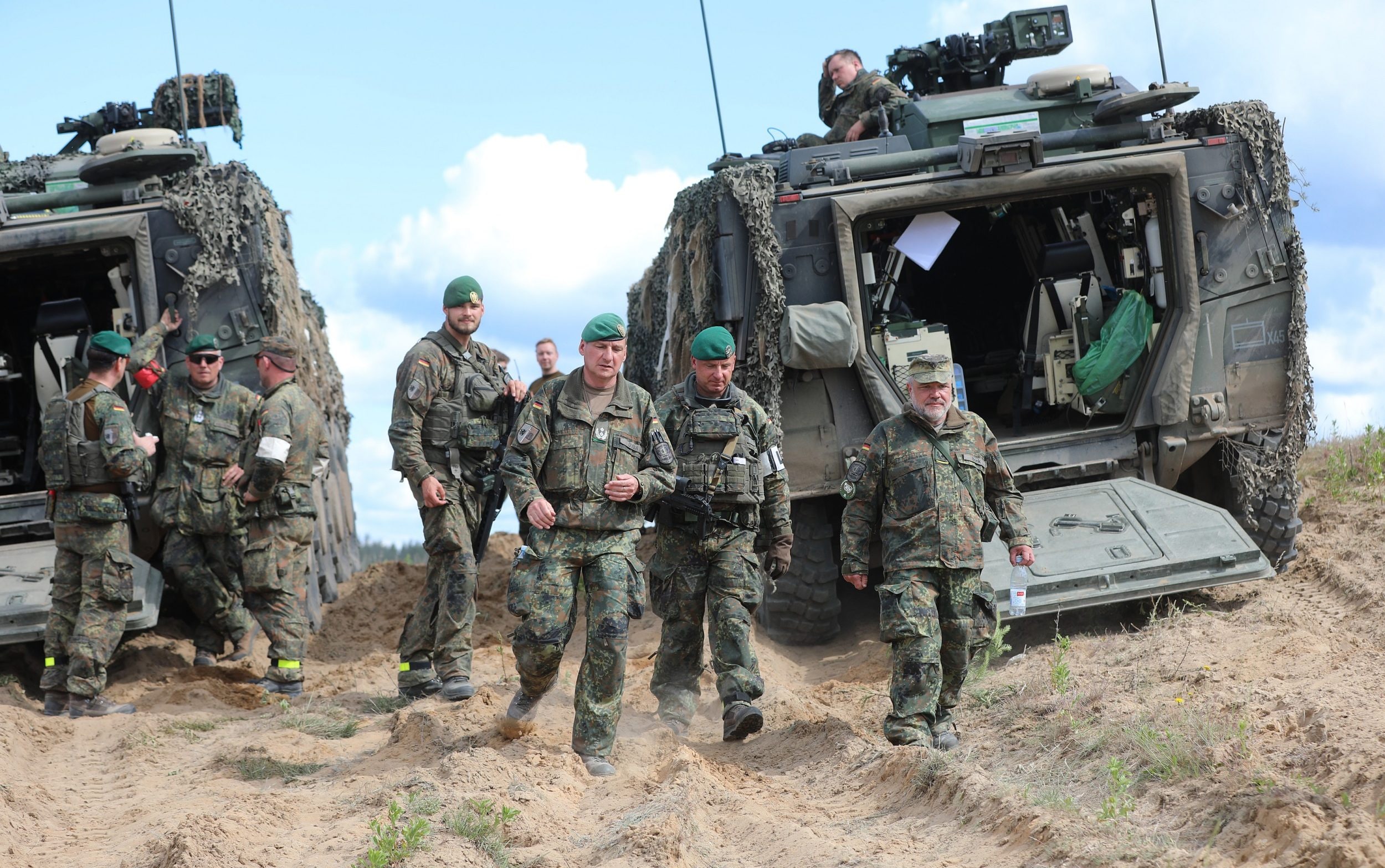
Most of the warning scenarios involve hybrid tactics. Pentagon officials said Russia might try to test the alliance’s resolve with a small land incursion or cyber attack. The possible threats range from cyber attacks and sending unmarked groups to occupy territory to a limited incursion on the eastern flank. While the likelihood of a land incursion has previously been considered low because it would trigger the alliance's collective defence commitment, intelligence reports indicate the risk rises as time goes on.
Media additions
European governments have reported growing anxiety that Russia may exploit divisions and probe commitments. Germany’s military leadership cautioned that Russia could possess the capability to threaten territory within the coming years. Baltic officials warned that the Kremlin may seek a new confrontation to demonstrate strength and create political instability across Europe.
Lithuanian defence minister Robertas Kaunas warned that the Kremlin was planning to use Ukrainian-made drones to attack the Baltics in a "false flag" operation designed to divide Europe and weaken support for Ukraine. He told LRT Radio:
He also stated that Russia could view the eastern flank as the most vulnerable area for testing Western resolve."The Kremlin, Putin, needs a new escalation, some kind of new victory, and in this case the Baltic region and Poland are the closest targets."
Robertas Kaunas, Lithuanian defence minister, via Londonlovesbusiness
British Defence Secretary Wes Streeting warned that reported Russian provocations against the United Kingdom were just the tip of the iceberg. Mr Streeting referred to the Russian warship Neustrashimy, which opened fire for a live exercise in the English Channel near Plymouth. He told The Sun:
"Incidents like the shooting in the Channel are performative, irresponsible and designed to provoke. It does at least provide the British with a visible manifestation of the provocations we see from Russia every day"
Wes Streeting, UK Defence Secretary, via AOL
Suspicious incidents have intensified across Europe. An explosive-laden drone with a Semtex device was found next to a Ukrainian cargo plane at Leipzig/Halle airport in Germany, forcing the facility to close. The airport serves as a base for Antonov jets and transports military goods for the German military and allies. Berlin launched a counter-terrorism investigation, and while no direct Russian claim of responsibility was made, German politicians blamed Moscow. Last month, a cruise missile believed to be a Kh-101 crashed into a field near a Polish village, leaving a wide crater.
Allied responses and preparedness
NATO spokesman Col Martin O’Donnell stated that the alliance was "ready to deter and defend as necessary", adding that it was "always thinking through and preparing for any number of scenarios".
US officials believe Russia could attempt to exploit weaknesses created by growing pressure on Western military stockpiles, facing shortages of key air defence systems and precision weapons. Ukrainian President Volodymyr Zelensky said deliveries of air defence missiles had fallen sharply compared with previous periods, while Russian forces intensified attacks on cities, including a barrage against Kyiv involving numerous ballistic missiles and drones.
The goal of any provocation against the alliance would be to escalate tensions and force member states to suspend aid to Ukraine. Planners note that the central concern is whether Moscow believes it can challenge the wider alliance without triggering a full-scale response.
How significant is this development?
Contribute your assessment to the aggregated reader sentiment ledger.
Frequently Asked Questions
Key questions answered in this reportWhat is the key development in: US intelligence says Russia may test NATO with limited strike this autumn?
Officials warn that mounting pressure on Vladimir Putin could lead to a Russian hybrid warfare campaign or limited strike against NATO allies.
Why is this World development significant for the UK?
This report covers critical events in our World beat. Independent reporting monitors related UK statements, regulatory shifts, and public responses as further verified details emerge.
How was this reporting corroborated and verified?
Newsarchy UK compiles and cross-references reporting from primary reporting from aol.com and cross-checked wire reports. All coverage adheres to published editorial standards.
When was this report published?
This briefing was published on August 7, 2026 and is permanently cataloged in the Newsarchy UK World archives.