Russian missile and drone barrage kills at least 16 in Kyiv region
A devastating missile and drone assault on Kyiv and surrounding areas has left at least 16 dead, damaged critical infrastructure, and triggered air defense alerts across neighboring countries.
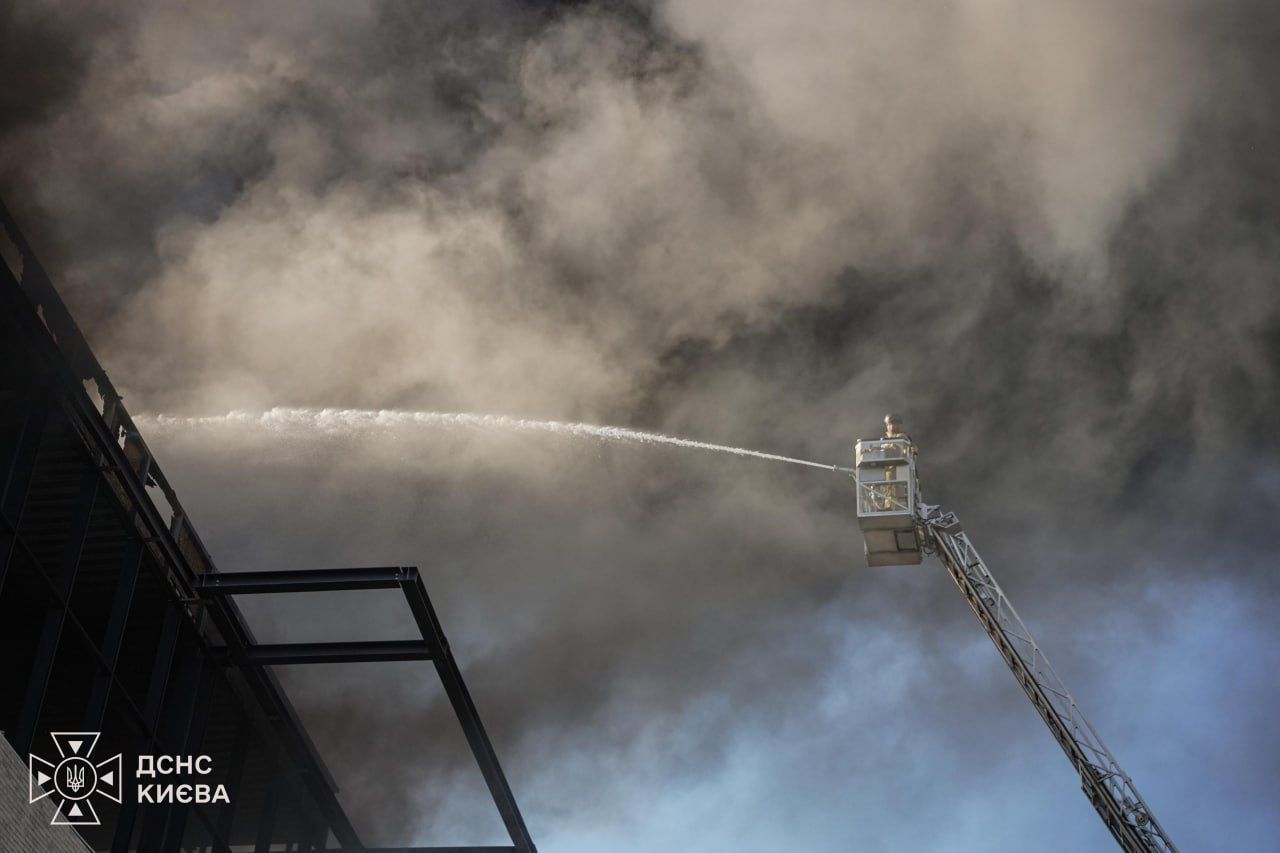
- Core Development: A devastating missile and drone assault on Kyiv and surrounding areas has left at least 16 dead, damaged critical infrastructure, and triggered air defense alerts across neighboring countries.
- Beat Context: Categorized under World with independent corroboration.
- Reporting Depth: 3 minute analytical read synthesized from verified newsroom sources.
A massive aerial barrage of ballistic missiles, cruise missiles, and jet-powered drones slammed into Kyiv and its surrounding region, killing at least sixteen people and injuring dozens of others. The assault, which began shortly after midnight on Wednesday, 20 August 2026, struck dozens of locations across the capital and triggered air defense responses that rippled far beyond Ukraine’s borders into neighboring European nations. According to Los Angeles Times reporting, fifteen people died within the city itself with another fatality recorded in the wider region, while The Kyiv Independent noted that emergency services and residents faced hours of consecutive explosions stretching from the initial midnight strike through daytime follow-up attacks.
The escalation leaves the capital grappling with severe infrastructure damage and a growing humanitarian toll. President Volodymyr Zelensky stated that Moscow had prepared the multi-layered strike over a long period to inflict maximum damage on civilian infrastructure. Residential areas bore the brunt of the violence. In the Solomianskyi district, the top two floors of a nine-story residential building were destroyed by incoming fire, trapping residents and sparking intense fires. Across the city, strikes impacted dozens of apartment blocks, schools, a children's hospital, and a kindergarten. More than 38,000 residents, including over 2,000 children, sought refuge in the city's subway stations overnight.
Media additions

Survivors recounted scenes of sudden devastation. Galina Morozova told The Kyiv Independent that consecutive explosions sounded unlike anything she had ever heard before, leaving her room filled with noise, flying glass, and shattered window frames. Another resident, Larysa Bondaruk, described a rocket striking her building's roof, unleashing columns of smoke, fire, and immediate despair while emergency workers rushed to rescue trapped civilians.
The renewed intensity of Moscow's aerial campaign highlights acute vulnerabilities in Ukraine's defense grid. Officials point to a chronic shortage of US-made Patriot air defense interceptors, the only systems capable of shooting down incoming ballistic missiles. International stockpiles remain depleted due to concurrent global demands, including commitments linked to the Iran war, leaving Kyiv struggling to defend against an enemy intelligence estimates suggest can produce over two hundred cruise and ballistic missiles per month.
The fallout from the barrage quickly spilled across international borders, alarming NATO members on the alliance's eastern flank. According to 1 News reporting, the Polish Armed Forces Operational Command activated air defense systems and scrambled military aircraft to monitor its airspace. In Romania, defense officials reported an unidentified drone crashing near the border, prompting the scrambling of Spanish fighter jets and the deployment of Romanian F-16s to neutralize a naval drone near a Black Sea gas project. Moldova also confirmed airspace violations. Ukrainian Foreign Minister Andrii Sybiha asserted that Moscow is actively testing the resolve of NATO partners, while European Commission President Ursula von der Leyen warned of an escalating campaign designed to unsettle European citizens.
Simultaneously, Ukraine pressed forward with its own deep-strike campaign inside Russian territory. Ukrainian forces launched a massive drone offensive targeting energy and military installations. According to The Kyiv Independent and Los Angeles Times dispatches, strikes hit the Taneco oil refinery in Nizhnekamsk within the Russian Republic of Tatarstan, as well as the Tamanneftegaz oil terminal in Volna, Krasnodar Krai, sparking substantial fires and disrupting regional fuel production. Ukrainian military intelligence also claimed successful strikes against radar systems and drone storage sites in occupied Donetsk and Primorsko-Akhtarsk.
Key Developments of the Attack
- Casualties and Damage: At least 16 people were killed across Kyiv and its surrounding region, with approximately 40 injured. Thirty apartment blocks, a children's hospital, schools, and kindergartens sustained damage across multiple districts.
- Shelter and Relief: More than 38,000 residents sought safety in Kyiv's underground subway stations during the overnight bombardment.
- Cross-Border Spillovers: Airspace breaches and unidentified drone crashes prompted emergency military scrambles in Poland, Romania, and Moldova.
- Ukrainian Retaliation: Long-range drone strikes targeted critical oil refining and terminal infrastructure in Tatarstan and Krasnodar Krai.
As emergency services continue clearing rubble in the capital, municipal leaders have declared Thursday, 21 August 2026, a day of official mourning. Disruptions to local hot water and utility supplies persist following daytime targeting of critical infrastructure, and security analysts warn that the reciprocal long-range aerial campaigns show no immediate sign of abating.
How significant is this development?
Contribute your assessment to the aggregated reader sentiment ledger.
Frequently Asked Questions
Key questions answered in this reportWhat is the key development in: Russian missile and drone barrage kills at least 16 in Kyiv region?
A devastating missile and drone assault on Kyiv and surrounding areas has left at least 16 dead, damaged critical infrastructure, and triggered air defense alerts across neighboring countries.
Why is this World development significant for the UK?
This report covers critical events in our World beat. Independent reporting monitors related UK statements, regulatory shifts, and public responses as further verified details emerge.
How was this reporting corroborated and verified?
Newsarchy UK compiles and cross-references reporting from primary reporting from latimes.com and cross-checked wire reports. All coverage adheres to published editorial standards.
When was this report published?
This briefing was published on August 20, 2026 and is permanently cataloged in the Newsarchy UK World archives.