South Korean Michelin-starred chef faces jail for serving ant desserts
A restaurateur is facing prosecution for serving imported ants as a garnish, violating food safety regulations that restrict permitted edible insects.
- Core Development: A restaurateur is facing prosecution for serving imported ants as a garnish, violating food safety regulations that restrict permitted edible insects.
- Beat Context: Categorized under World with independent corroboration.
- Reporting Depth: 3 minute analytical read synthesized from verified newsroom sources.
The owner of a two-Michelin-starred restaurant in Seoul’s affluent Gangnam-gu district is facing potential jail time after state prosecutors requested a one-year prison sentence during a hearing at the Seoul Western District Court on Monday. The legal action follows accusations that the chef repeatedly served sorbet topped with dried ants, an ingredient currently absent from South Korea’s list of approved food items.
The case centres on allegations that the establishment, which remains officially unnamed in court documents, violated the Food Sanitation Act by importing and serving unapproved insects. According to investigators from the Ministry of Food and Drug Safety, the restaurant sourced dried ants from the United States and Thailand via express mail services between April 2021 and November 2024. The ministry launched its probe after officials discovered images and enthusiastic reviews of the ant-topped dishes on social media and personal blogs.
Media additions
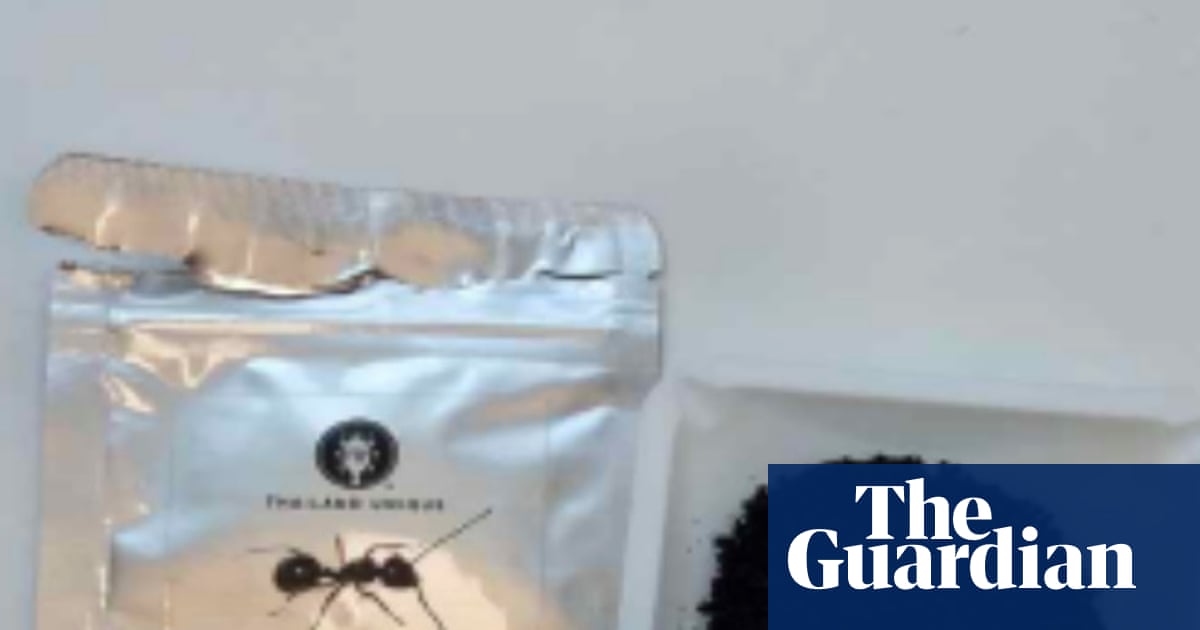


Prosecutors allege that the restaurant served these insects approximately 12,200 times throughout the four-year period, generating estimated revenue of 120m won. They further contend that the operation involved the use of nearly 49,000 ants, typically applied as a garnish of one to five insects per serving to provide a sour or acidic flavour profile. Health authorities have expressed concerns regarding the safety of these specific insects, with reports from the Chosun Daily suggesting the ants contained up to 55 times more heavy metals than other edible insects.
The defence team challenged the prosecution's figures, arguing that the restaurant’s 15-course tasting menu offered the ant-topped sorbet only as an optional garnish. Lawyers representing the owner stated that approximately 60 per cent of diners opted to consume the ants, while those who declined were offered alternatives such as fermented vinegar or edible pollen. They argued that the prosecution's revenue and usage calculations erroneously assumed that every diner consumed the insects.
During the proceedings, it was explained that the head chef developed the practice of using ants to impart acidity while working in kitchens across the United States and Europe. The defence maintained that the chef was unaware that such techniques were prohibited under South Korean regulations. The restaurant further noted that ants are commonly used as ingredients in the culinary sectors of other nations, including the United Kingdom, Denmark, and Australia.
South Korean law currently restricts edible insects to 10 specific species, including grasshoppers, locusts, and mealworms. Businesses intending to introduce new ingredients must undergo a formal approval process to confirm safety standards, a step the restaurant failed to initiate. Under current legislation, violations of the food sanitation code can result in a maximum penalty of five years in prison or a 50m won fine.
In addition to the requested prison sentence, prosecutors have asked the court to impose a 20m won fine on the company that operates the restaurant. The following table summarises the competing figures presented at the Seoul Western District Court:
| Metric | Prosecution Estimate | Defence Assertion |
|---|---|---|
| Total Ant Servings | 12,200 | 60% of total guest volume |
| Total Ants Used | ~49,000 | Variable; 1 to 5 per dish |
| Revenue Generated | 120m won | Disputed (based on lower uptake) |
The case highlights a growing tension between global fine-dining trends—which frequently experiment with foraging and insect-based ingredients—and the rigid regulatory frameworks governing food safety in South Korea. While the Michelin Guide evaluates establishments based on ingredient quality, flavour mastery, cooking technique, chef's personality and consistency, these criteria remain distinct from national health compliance. Michelin has not released a public statement regarding the charges.
What to watch next
- Court Verdict: The Seoul Western District Court is scheduled to deliver its final ruling on 2 September.
- Regulatory Stance: South Korean regulators have yet to signal any intention to expand the list of approved insects to include ants or similar species.
Until the court provides its judgment in September, the recommended sentences remain proposals.
How significant is this development?
Contribute your assessment to the aggregated reader sentiment ledger.
Frequently Asked Questions
Key questions answered in this reportWhat is the key development in: South Korean Michelin-starred chef faces jail for serving ant desserts?
A restaurateur is facing prosecution for serving imported ants as a garnish, violating food safety regulations that restrict permitted edible insects.
Why is this World development significant for the UK?
This report covers critical events in our World beat. Independent reporting monitors related UK statements, regulatory shifts, and public responses as further verified details emerge.
How was this reporting corroborated and verified?
Newsarchy UK compiles and cross-references reporting from primary reporting from ibtimes.sg and cross-checked wire reports. All coverage adheres to published editorial standards.
When was this report published?
This briefing was published on July 22, 2026 and is permanently cataloged in the Newsarchy UK World archives.