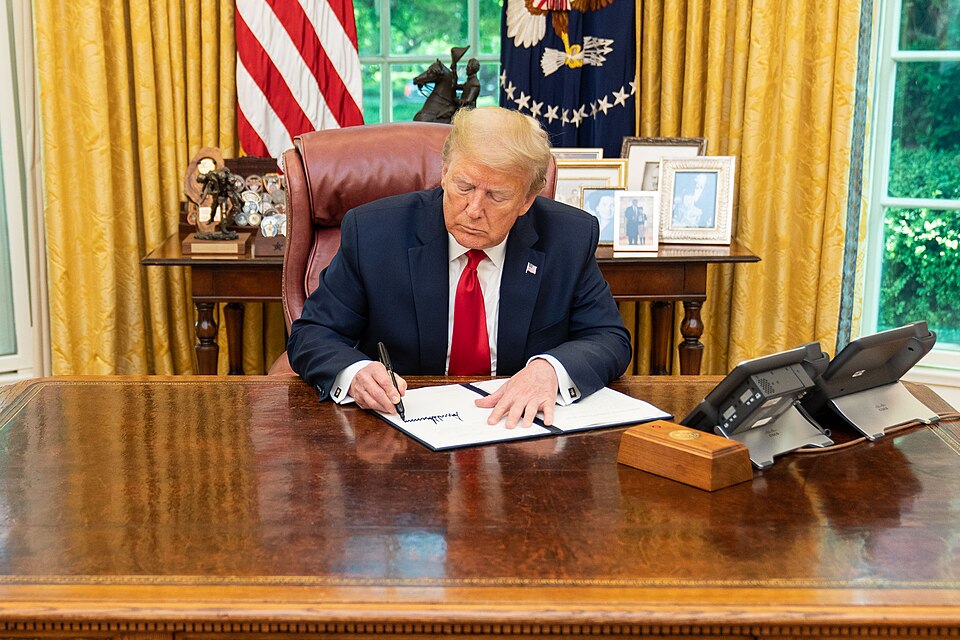
Stephen Miller Named Trump’s New Chief of Staff After Midterm Loss
President Trump announced that Stephen Miller will replace Susie Wiles as chief of staff following a midterm election defeat that handed Congress to Democrats.

- Core Development: President Trump announced that Stephen Miller will replace Susie Wiles as chief of staff following a midterm election defeat that handed Congress to Democrats.
- Beat Context: Categorized under World with independent corroboration.
- Reporting Depth: 4 minute analytical read synthesized from verified newsroom sources.
On Friday, President Donald Trump announced that Stephen Miller, the deputy chief of staff most closely linked to his hard‑line immigration agenda, would replace Susie Wiles as chief of staff. The move comes a day after the Republican Party suffered a historic rout in the midterm elections, ceding control of both the House and Senate to Democrats. The appointment signals that, rather than easing back from the policies that cost the GOP votes, the administration is doubling down on its most controversial stances.
Trump’s announcement was broadcast on Truth Social, where he described Miller as “one of my most trusted advisors” and said Wiles had done an “outstanding job.” The president added that Wiles would move to the “Trump Political Operation.” In a brief statement, Wiles said it was her last day as chief of staff and thanked the president for the opportunity, noting her commitment to the mission remained unchanged. The transition marks the first time a chief of staff has resigned following a Republican defeat of the party’s congressional majority.
Media additions

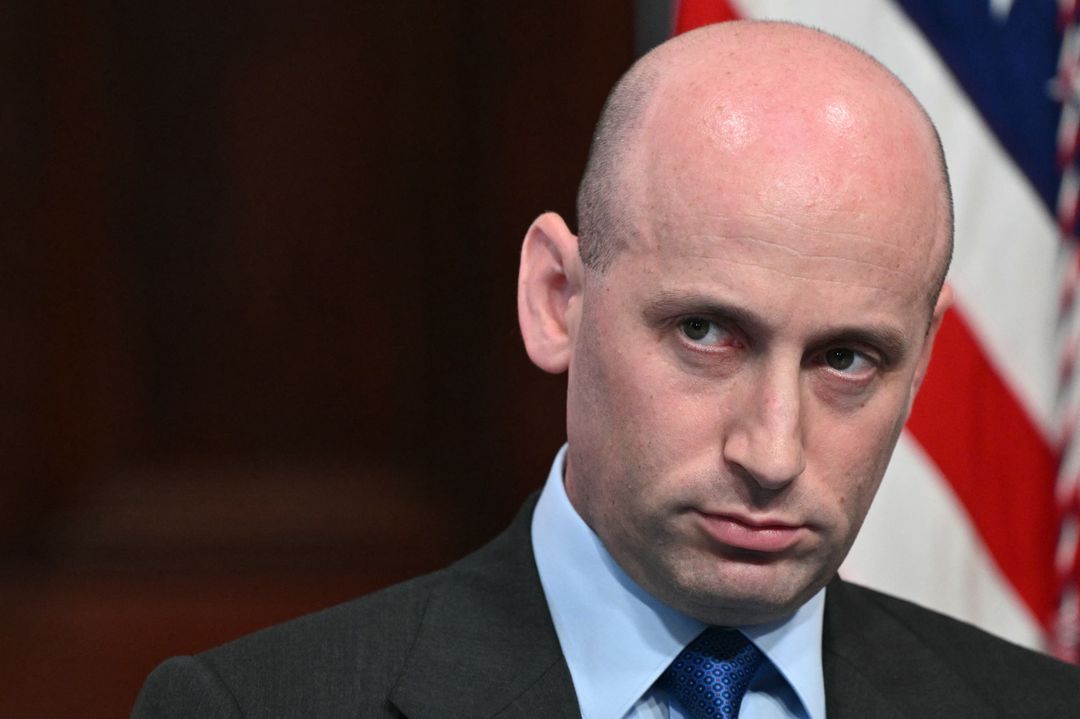
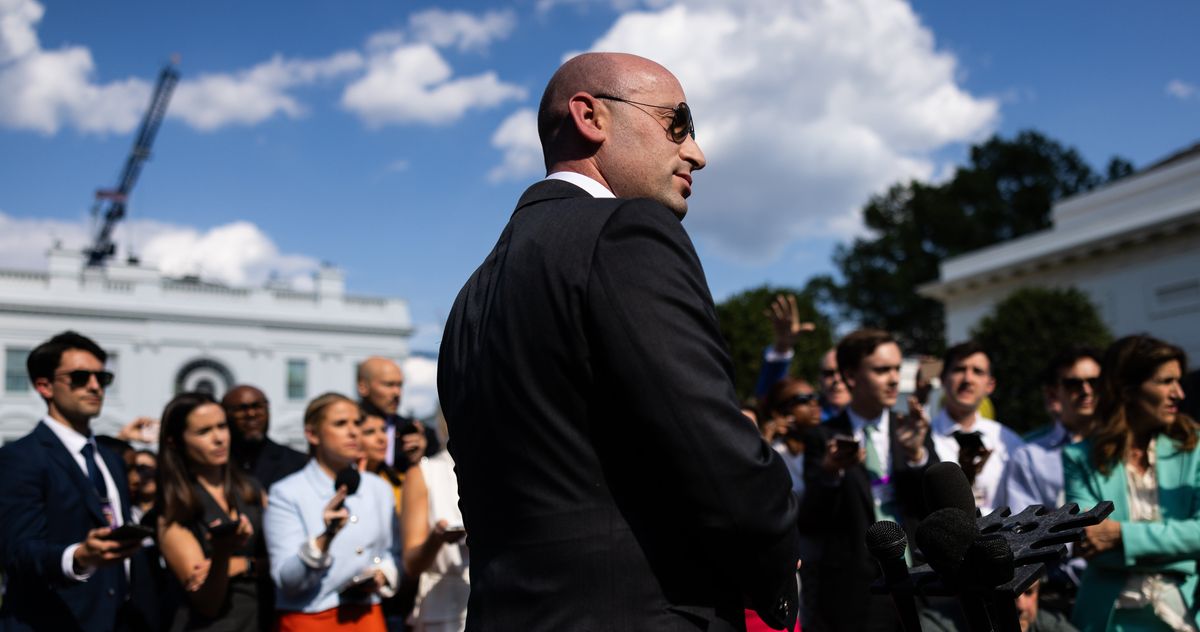
Miller’s promotion is widely interpreted as a signal that the administration will maintain, if not intensify, its hard‑line immigration strategy. Throughout his tenure, he has overseen the expansion of ICE raids, pushed for daily arrests of migrants, and defended the use of federal agents to target individuals who have lived in the United States for decades. His influence extends beyond immigration; he has been involved in foreign policy decisions, such as the strike on a Venezuelan vessel in 2025, and has publicly defended the possibility of seizing Greenland.
Democrats have reacted with sharp criticism. House Minority Leader Hakeem Jeffries described Miller as a “dangerous xenophobe” and called for his removal, while Senator Robert Garcia said the administration should investigate Miller’s “misconduct.” Senate Majority Leader Chuck Schumer echoed that sentiment, stating that Miller is “the architect of the most barbaric, inhumane policies of this administration.”
Trump has indicated that he will continue to use his veto power and that he is “ready to become Mr. Veto.” The president’s comments come at a time when the House and Senate are expected to convene in January, when Democrats will take a majority for the first time since 2007. The new leadership is poised to launch a series of investigations, including potential probes into the administration’s immigration policies, executive orders, and alleged misconduct.
Experts note that the appointment of Miller could complicate the administration’s ability to negotiate with the new Congress. A chief of staff who has been a key proponent of the most controversial policies is likely to be a primary target for investigations and a staunch defender of executive actions that may clash with legislative priorities. The move also signals that the president intends to pursue a “no‑go” strategy, refusing to compromise on policy despite the loss of legislative support.
For the public, the shift means that the administration’s focus on immigration enforcement and other hard‑line measures will likely intensify. In the weeks ahead, the White House is expected to push forward with executive orders aimed at tightening border security and limiting federal immigration programs. The new majority in Congress, however, is expected to counter these efforts with legislation designed to protect immigrant rights and limit executive overreach.
What to watch next:
- January 2027: The first session of the new Congress, when Democrats will begin investigations into the administration.
- Mid‑2027: Expected release of the administration’s executive action plan, which may bypass Congress as the president’s final strategy.
- Throughout 2026–2027: Ongoing media coverage of the White House’s policy moves, particularly in immigration and foreign policy.
With the midterm loss, the Trump administration faces an unprecedented challenge: to preserve its policy agenda while negotiating with a Congress that is now hostile to its priorities. The appointment of Stephen Miller as chief of staff crystallises the president’s decision to double down on the most divisive aspects of his legacy, setting the stage for a contentious final two years in office.
How significant is this development?
Contribute your assessment to the aggregated reader sentiment ledger.
Frequently Asked Questions
Key questions answered in this reportWhat is the key development in: Stephen Miller Named Trump’s New Chief of Staff After Midterm Loss?
President Trump announced that Stephen Miller will replace Susie Wiles as chief of staff following a midterm election defeat that handed Congress to Democrats.
Why is this World development significant for the UK?
This report covers critical events in our World beat. Independent reporting monitors related UK statements, regulatory shifts, and public responses as further verified details emerge.
How was this reporting corroborated and verified?
Newsarchy UK compiles and cross-references reporting from primary reporting from nbcnews.com and cross-checked wire reports. All coverage adheres to published editorial standards.
When was this report published?
This briefing was published on November 6, 2026 and is permanently cataloged in the Newsarchy UK World archives.