Syria sentences Bashar al-Assad’s cousin to death
A Syrian court sentenced Wassim al-Assad, a cousin of ousted ruler Bashar al-Assad, to death for war crimes and crimes against humanity.
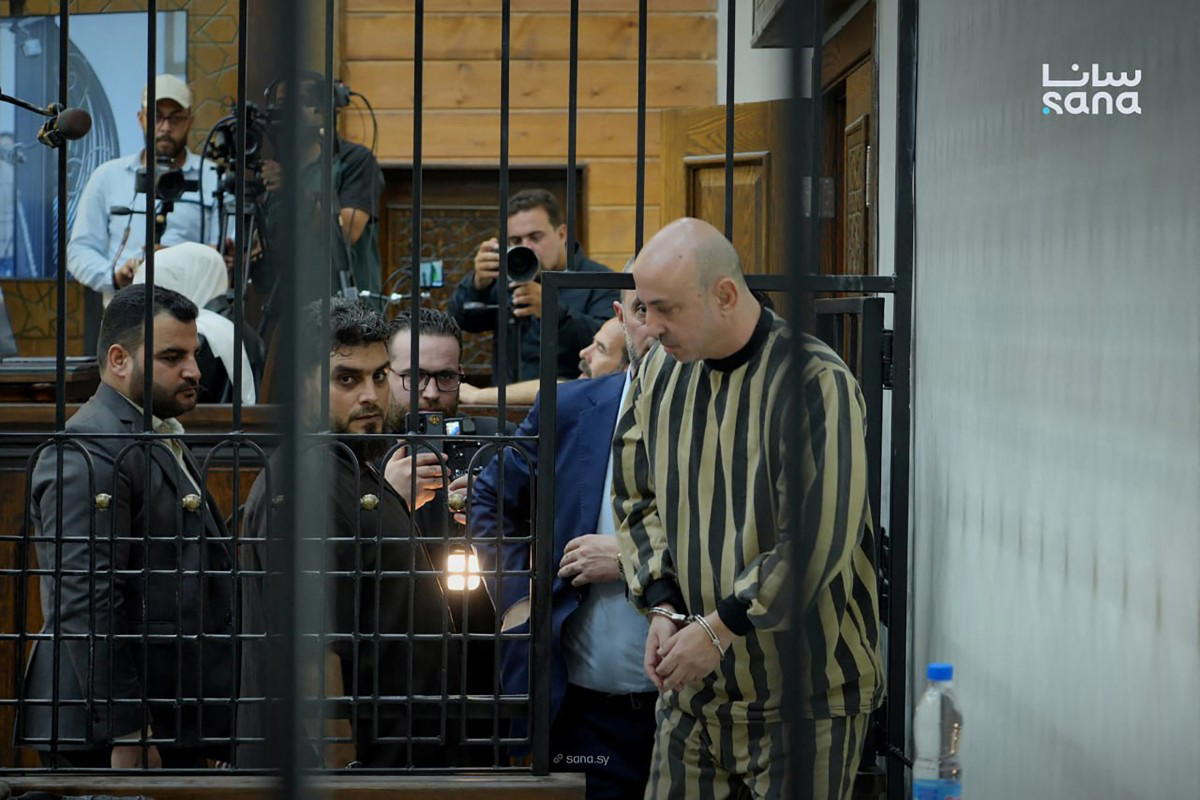
- Core Development: A Syrian court sentenced Wassim al-Assad, a cousin of ousted ruler Bashar al-Assad, to death for war crimes and crimes against humanity.
- Beat Context: Categorized under World with independent corroboration.
- Reporting Depth: 3 minute analytical read synthesized from verified newsroom sources.
A Syrian court handed a death sentence to Wassim al-Assad, a cousin of ousted ruler Bashar al-Assad. The defendant stood in the dock inside the Fourth Criminal Court in Damascus to hear the verdict. According to Vanguardngr, a handout picture released by the official Syrian Arab News Agency showed the 46-year-old being led into a defendant’s cage for the sentencing. This ruling marks the first time an al-Assad family member has been sentenced in person by the country's new authorities.
Judge Fakhr al-Din al-Aryan stated that the defendant was convicted of multiple murders and murder accompanied by torture and brutality. The judge classified these offenses as crimes against humanity and war crimes, declaring that he is therefore sentenced to death. According to Jang, the verdict was delivered during the sixth trial hearing. The court established that the accused had formed and operated irregular armed groups acting under orders from brigade commanders associated with the elite Fourth Division, specifically Brig. Gen. Ghiath Dalla.
Media additions

Additional charges against the relative of the former autocrat included inciting civil war, sectarian fighting, deprivation of liberty, and torture. However, the court acquitted him of drug smuggling and trafficking due to insufficient evidence, reserving the right to reopen that portion of the case if new evidence emerges. The legal defense team retains the right to appeal the decision to the court of cassation, which serves as Syria's highest judicial body. During the civil war, the defendant posted images of himself on social media near luxury cars while wearing military garb and bearing arms, sometimes urging others to fight for the deposed leader. The US Treasury had previously sanctioned him, describing him as a key figure in regional drug trafficking and the leader of a paramilitary unit.
Jang reports that the uprising started in Daraa after students were arrested for allegedly writing anti-government slogans on the city's walls, leading to protests that ended in bloodshed. The ensuing civil war lasted nearly 14 years, resulting in more than half a million deaths, millions of displaced citizens, and tens of thousands of disappeared individuals. Bashar al-Assad took the presidency following the death of his father Hafez, maintaining the Baath Party's rule that began in decades past until he fled to Russia. A transitional administration led by President Ahmad al-Sharaa was subsequently formed.
This judicial reckoning follows several recent high-profile rulings by the transitional administration. Last week, the judiciary sentenced Bashar al-Assad to death in absentia after a trial for atrocities committed during the civil war. Six former military and security officials were also sentenced to death in absentia, including Bashar's brother Maher, who ran the army's elite Fourth Division and fled the country, and former defense minister Fahd al-Freij. Other convicted individuals included former security official Atif Najib—who was in the dock for crimes against humanity committed as head of political security in Daraa province—and Louay al-Ali, who headed military intelligence in the same province during the early uprising.
International response to the trials has involved complex institutional viewpoints. While the United Nations has expressed opposition to the death penalty, it noted that addressing long-standing demands for justice, accountability, and truth can contribute to restoring confidence in institutions and building sustainable peace.
What to Watch Next
- Potential appeals processed through the court of cassation regarding the newly issued death sentence.
- Further legal proceedings and tribunals conducted by Syria's transitional administration against remaining figures from the former regime.
- Continued international monitoring and reactions from organizations like the United Nations regarding the application of capital punishment in post-conflict war crimes trials.
How significant is this development?
Contribute your assessment to the aggregated reader sentiment ledger.
Frequently Asked Questions
Key questions answered in this reportWhat is the key development in: Syria sentences Bashar al-Assad’s cousin to death?
A Syrian court sentenced Wassim al-Assad, a cousin of ousted ruler Bashar al-Assad, to death for war crimes and crimes against humanity.
Why is this World development significant for the UK?
This report covers critical events in our World beat. Independent reporting monitors related UK statements, regulatory shifts, and public responses as further verified details emerge.
How was this reporting corroborated and verified?
Newsarchy UK compiles and cross-references reporting from primary reporting from vanguardngr.com and cross-checked wire reports. All coverage adheres to published editorial standards.
When was this report published?
This briefing was published on August 18, 2026 and is permanently cataloged in the Newsarchy UK World archives.