Endurance athlete swims in Strait of Hormuz to highlight Iran war's impact on wildlife
UN Patron of the Oceans Lewis Pugh undertook a perilous 15-kilometre swim through the active conflict zone of the Strait of Hormuz to spotlight marine pollution.
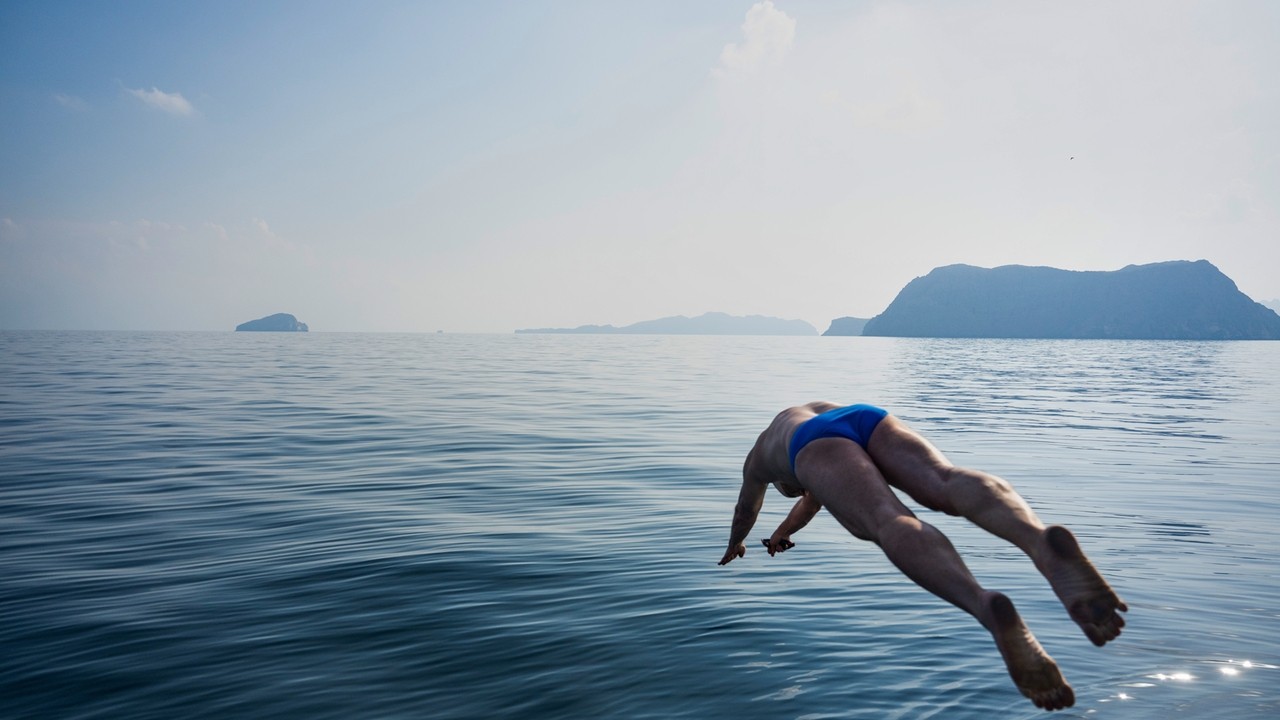
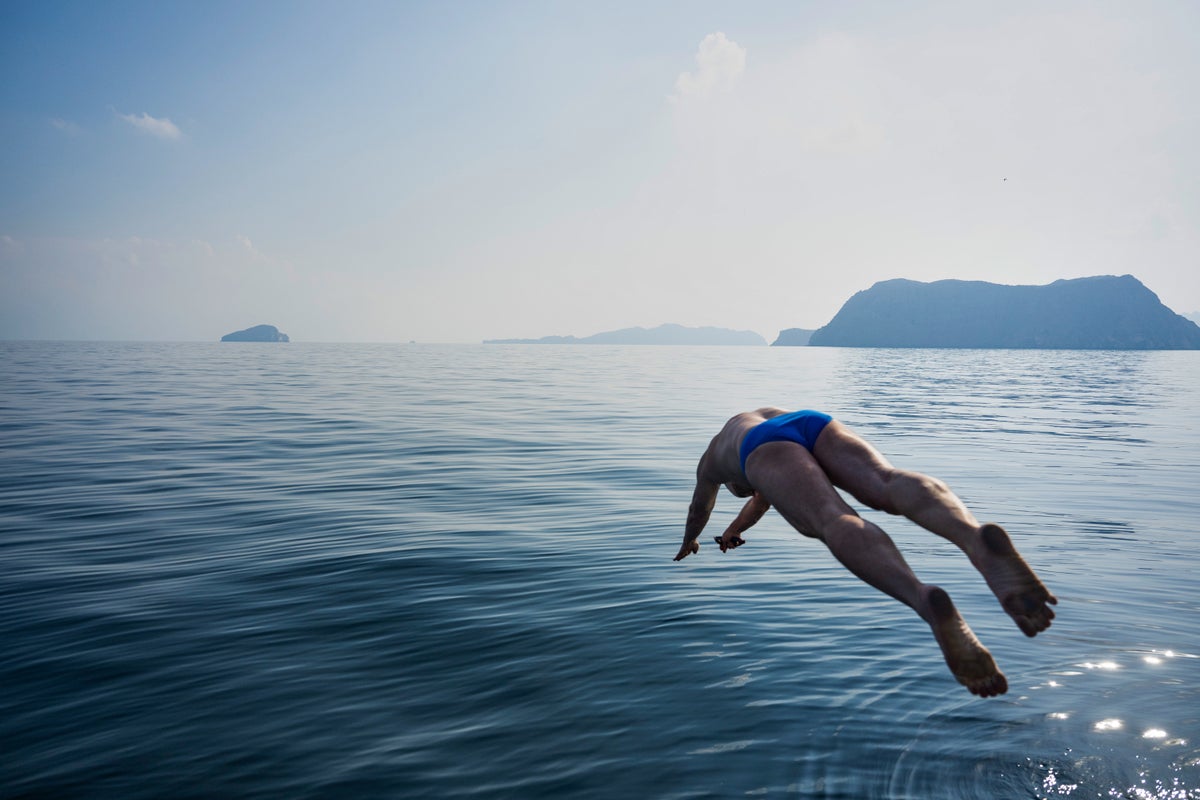
British endurance swimmer Lewis Pugh has undertaken what is believed to be the first long-distance swim in the Strait of Hormuz since the outbreak of war. Pugh, who serves as a United Nations Patron of the Oceans, spent three days swimming parts of the strategic waterway wearing only swimming trunks, goggles, and a cap bearing the UN logo.
The 56-year-old athlete started his journey from the Musandam Peninsula on the southern tip of the strait and finished by rounding the Cape of Hormuz. His route covered approximately 15 kilometres, or 9.3 miles, divided into sections to maintain safety in a hostile conflict zone.
Media additions

Pugh is no stranger to extreme environments. Over a career spanning four decades, he has swum across the North Pole, Antarctica, the Red Sea, the English Channel, and completed every one of the world's oceans. In 2023, he swam the 507-kilometre length of the Hudson River. His foundation states that these high-profile swims have contributed to securing official agreements protecting more than 3.5 million square kilometres of vulnerable ocean.
However, battling freezing polar waters and great white sharks did not prepare him for the realities of swimming through an active war zone. Minutes after entering the water on Monday, the swim was violently interrupted.
"I looked up and I could see that an oil tanker about four kilometers away had been hit. The explosion was so loud, two booms, and then fighter jets coming in. And at that moment I realized we have to get out of here right now."
Lewis Pugh, UN Patron of the Oceans, via Associated Press
The conflict in the region escalated after the United States and Israel launched a war on 28 February. Before the hostilities began, approximately one-fifth of all globally traded oil passed through the Strait of Hormuz. In the months since, Iran has stepped up attacks on vessels traversing routes it deems unauthorized, while also laying sea mines that have struck multiple tankers.
Pugh encountered further destruction on his second day while returning to the harbor. He witnessed a gas carrier being struck, leaving the surrounding water ablaze.
"I'll never ever forget going past that gas carrier, the smell of the chemicals and then the flames, they were literally like fireballs going up into the sky. Around the ship, the water was on fire."
Lewis Pugh, UN Patron of the Oceans, via Associated Press
Dozens of ships have sustained damage since February, resulting in leaks of oil and chemicals into the marine environment. Pugh warned that pollution from these damaged vessels threatens coral reefs, mangrove forests, and coastal ecosystems, noting that the damage will take years or decades to recover.
Despite the peril, Pugh highlighted the rich biodiversity of the strait, describing encounters with large numbers of dolphins following his support boat, alongside turtles and ospreys. He also recalled observing hundreds of turtles during a pre-war swim along the Omani coast.
"Most people, when they think about the Strait of Hormuz, they think of a shipping lane. But it is also one of the most beautiful places I have ever been … it's one of the treasure troves of the natural world."
Lewis Pugh, UN Patron of the Oceans, via Associated Press
Commentators have frequently described Pugh's combination of athletic endurance and political outreach as "Speedo diplomacy." Defending the approach, Pugh noted that sport serves a vital diplomatic function.
"Sport opens doors, it creates dialogue, it enables people to start thinking about these important issues."
Lewis Pugh, UN Patron of the Oceans, via Associated Press
| Metric | Detail | Source |
|---|---|---|
| Swim distance | 15 km (9.3 miles) | CBS News, Newsday, SMH, Independent, Daily Times |
| Total swim time | ~6.5 hours over three days | CBS News, Newsday, SMH, Independent, ABC News (AU) |
| War start date | 28 February | All sources |
| Oil flow pre-war | One-fifth of all oil traded passed through | All sources |
| Tanker cargo cited | >2 million barrels (last month) | CBS News, Newsday, SMH, Independent, ABC News (AU) |
| Ocean area protected via foundation | >3.5 million square kilometres (about 1.35 million square miles) | Newsday, SMH, Independent, ABC News (AU) |
What to watch next
- Whether the environmental damage cited by Pugh prompts any diplomatic engagement on maritime pollution protocols in the strait.
- Continuation of Iranian attacks on commercial shipping and mine-laying, which have intensified in recent weeks according to multiple reports.
- Potential UN or regional initiatives to assess and mitigate damage to coral reefs, mangroves and coastal ecosystems.
- Further "Speedo diplomacy" actions by Pugh or other advocates targeting conflict-related environmental harm.
Pugh concluded his campaign with a direct appeal regarding the crisis: We've got to stop the war. We've got to open the strait, and we've got to clean up the pollution.