Syrian intellectuals propose EU-led cultural projects to stabilize Levant
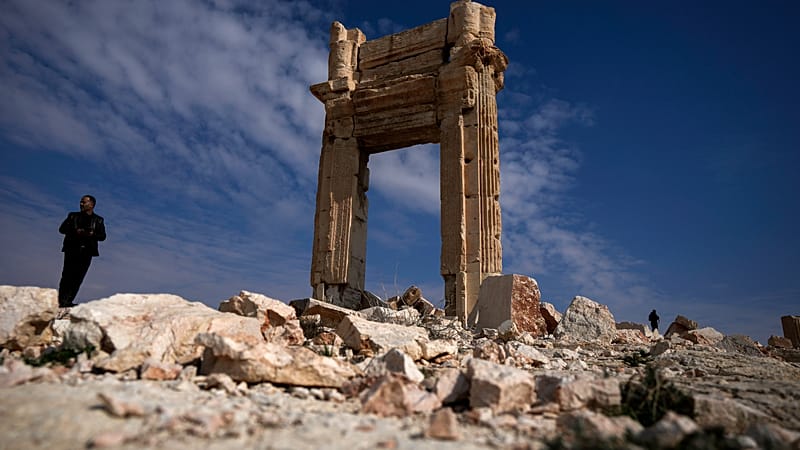
Exiled Syrian intellectuals have urged the European Union to lead an effort that marries cultural restoration with infrastructure work to foster stability. The proposal includes projects such as restoring the archaeological site of Palmyra and reviving the historic Damascus–Baalbek railway.
- Core Development: Exiled Syrian intellectuals have urged the European Union to lead an effort that marries cultural restoration with infrastructure work to foster stability. The proposal includes projects such as restoring the archaeological site of Palmyra and reviving the historic Damascus–Baalbek railway.
- Beat Context: Categorized under World with independent corroboration.
- Reporting Depth: 5 minute analytical read synthesized from verified newsroom sources.
The Levant emerged from a twelve‑year inter‑communal war that began in 2011 and formally concluded in late 2025 with the fall of the Assad dynasty regime. In the wake of that upheaval, a handful of Syrian intellectuals now based in Europe have lodged a proposal with Brussels, urging the European Union to lead a dual‑track effort that marries cultural restoration with concrete infrastructure work.
From opera houses to diplomatic corridors
The proposal’s key proponent is Nabil Al Lao, a Syrian musicologist who once directed the Damascus Conservatory and founded the city’s opera house. Al Lao served as the official French‑language interpreter for both Hafez al‑Assad and his son Bashar, attending bilateral meetings with French presidents Nicolas Sarkozy and Jacques Chirac. He remembers Jacques Chirac as “a man of great culture and profound political refinement”.
Media additions
In 2004 Al Lao covertly arranged for a group of young Syrian musicians to join Israeli and Palestinian peers in a concert in Ramallah, an event organised by conductor Daniel Barenboim and intellectual Edward Saïd. The concert, under the banner “East-West Diwan”, earned Al Lao a reprimand from a senior official in Bashar al-Assad’s intelligence services – a rebuke he survived because the idea had originated with King Juan Carlos of Spain, then maintaining cordial relations with President Bashar al-Assad.
Later, Al Lao fell out of favour with the regime. He was captured in 2013 by men he later identified as regime security men disguised as Islamic State militiamen. Fleeing the civil war, he settled in Arona on Italy’s Lake Maggiore, where he now prepares a trip to Damascus to present his proposals to senior officials of the transitional government led by President Ahmad al-Sharaa.
Culture as the engine of stability
“The EU countries, especially France, Germany, Italy and Spain, have the tools to launch a cultural policy in the Levant with an initial, visible impact that could evolve into a concrete, broader political process.”
Nabil Al Lao, professor, via Euronews
Al Lao argues that cultural policy should go beyond traditional cultural policies. Its aim is to turn the theatre of war into an archaeological landscape, combining the recovery of cultural heritage with civil infrastructure projects to involve populations exhausted by years of war and heal mutual mistrust. He emphasizes that such an approach is “not simple cultural diplomacy but a realistic strategy designed to create new civil and political balances”.
Palmyra and the symbolism of Zenobia
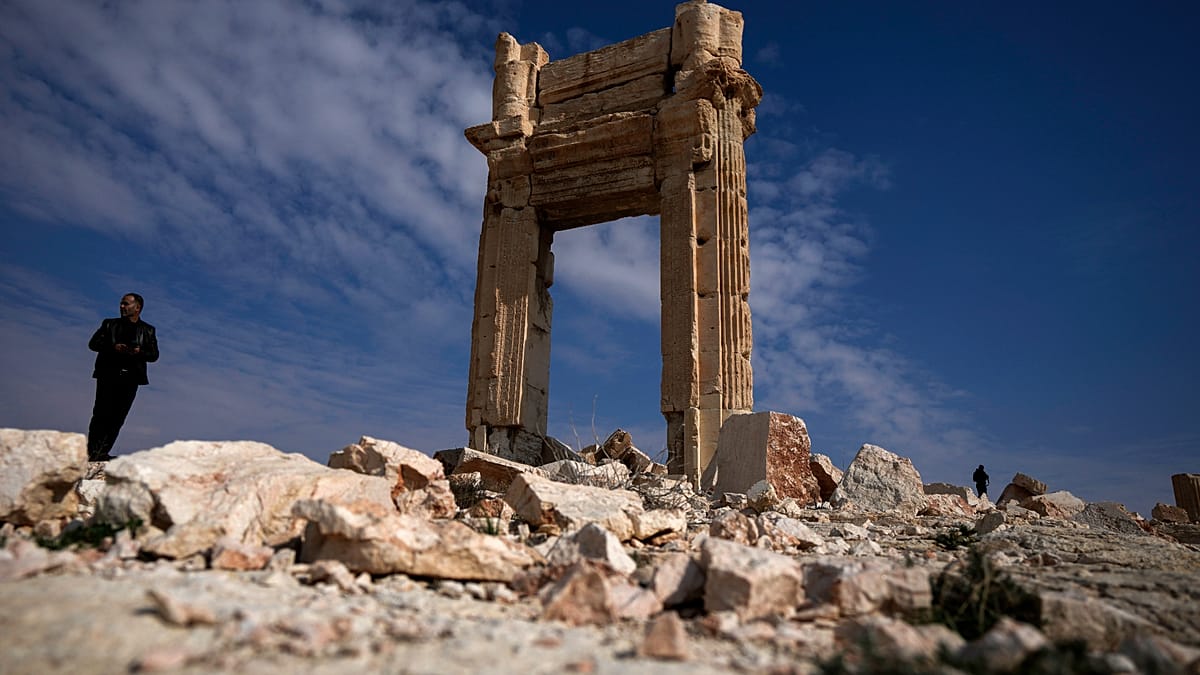
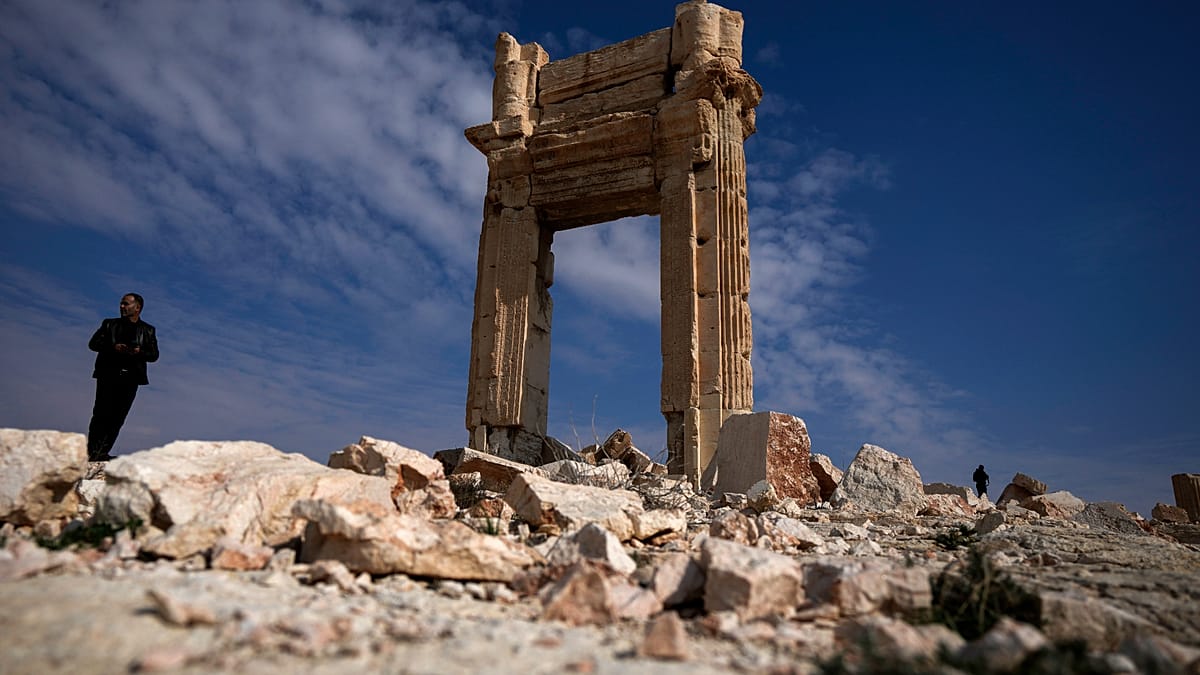
At the heart of the plan lies the ancient city of Palmyra (Tadmor), a UNESCO World Heritage site that once served as the capital of Queen Zenobia’s caravan and trading kingdom. Al Lao stresses that “almost all the technical surveys and classifications of Palmyra are in the hands of the French, Italians and Germans”. He contends that rebuilding Palmyra is possible within the framework of a European or international project.
Beyond the ruins, Al Lao points to the demographic shift wrought by the war: official Syrian government figures show women accounted for 60% of the population in 2023. He suggests that the memory of Zenobia “could also serve as an example for the female component of Syria”.
Infrastructure linking Syria and Lebanon
A concrete infrastructure proposal accompanies the cultural agenda: the revival of the old Damascus–Baalbek railway line. This 80‑kilometre stretch, put into service by the Ottoman authorities in 1895, once connected Damascus’s Hejaz Station to Beirut, crossing the Anti‑Lebanon mountains at an altitude of 1,400 metres. Restoring the line would “restore value to a historic heritage ... While providing an essential public transport service”, according to Al Lao.
The railway concept also serves a wider regional purpose. Al Lao believes that a shared project could “bring Syria and Lebanon into a shared project for the first time in more than half a century”, especially as the Greco‑Roman archaeological heritage of Baalbek in Lebanese territory has suffered recent damage.
Academic and archaeological mobilisation
European scholars are already on the ground. Fifty Italian universities are engaged in a determined effort to rebuild and to open up new archaeological sites. At Rome’s La Sapienza University, Professor Davide Nadali co‑directs an archaeological project with his Syrian colleague Mohammed el Khalid, a project that resumed in 2022 after a twelve‑year break and has discovered new, important archaeological sites, especially in north‑west Syria, in the area of Ebla (today Tell Mardikh).
Francesca Maria Corrao, Full Professor of Arabic language and culture at LUISS University in Rome, notes that “Syrian intellectuals and students in exile in Europe and Italy have made these initiatives possible thanks to their desire to return to their country of origin and save it through culture”. She adds that the transitional government’s public commitment to pursue a policy that takes account of the country’s different religious and cultural expressions reduces the risk that former ISIS members now serving in security forces would jeopardise archaeological work.
EU financial backing and next steps
The European Union has for some years been providing financial support for UNESCO projects aimed at preserving Syria’s cultural heritage, both through common policies of the 27 and separately through bilateral initiatives by individual member states. In 2025 the European Commission also allocated two and a half billion euros to support the country’s transition.
Al Lao’s upcoming visit to Damascus seeks to secure formal endorsement of his proposals from the culture and national education sectors of the transitional government.
How significant is this development?
Contribute your assessment to the aggregated reader sentiment ledger.
Frequently Asked Questions
Key questions answered in this reportWhat is the key development in: Syrian intellectuals propose EU-led cultural projects to stabilize Levant?
Exiled Syrian intellectuals have urged the European Union to lead an effort that marries cultural restoration with infrastructure work to foster stability. The proposal includes projects such as restoring the archaeological site of Palmyra and reviving the historic Damascus–Baalbek railway.
Why is this World development significant for the UK?
This report covers critical events in our World beat. Independent reporting monitors related UK statements, regulatory shifts, and public responses as further verified details emerge.
How was this reporting corroborated and verified?
Newsarchy UK compiles and cross-references reporting from primary reporting from euronews.com and cross-checked wire reports. All coverage adheres to published editorial standards.
When was this report published?
This briefing was published on July 21, 2026 and is permanently cataloged in the Newsarchy UK World archives.