The Taliban has taken a terrible toll on the education of girls -- and boys as well
Five years after the Taliban returned to power, Afghanistan's educational crisis has expanded to alter classrooms for boys and young men through increased religious instruction.
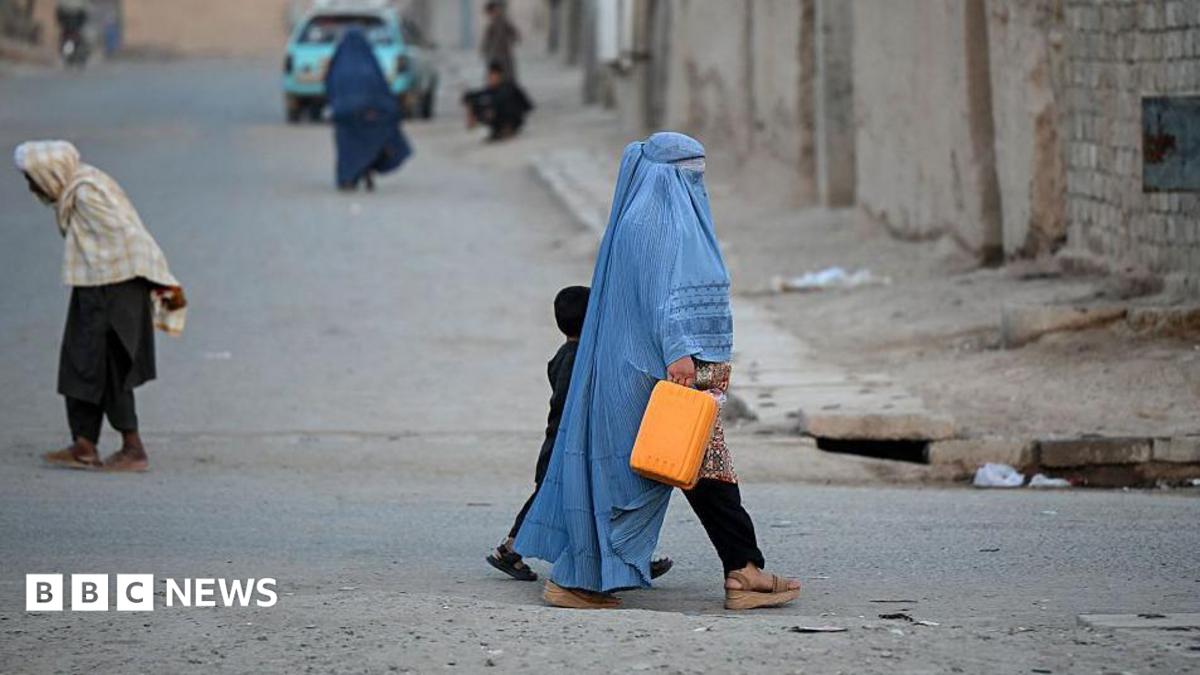
- Core Development: Five years after the Taliban returned to power, Afghanistan's educational crisis has expanded to alter classrooms for boys and young men through increased religious instruction.
- Beat Context: Categorized under World with independent corroboration.
- Reporting Depth: 4 minute analytical read synthesized from verified newsroom sources.
Five years after the Taliban returned to power on August 15, 2021, the educational crisis in Afghanistan extends far beyond the well-documented bans on female students, fundamentally altering classrooms for boys and young men as well, according to reporting published by Ualrpublicradio and Knpr. While school doors remain technically open to male students, interviews with teenagers and educators reveal an academic environment that has shifted dramatically from the relatively open atmosphere of the previous government.
Before the Taliban takeover, students studied English, science, mathematics, biology, and literature alongside religious subjects, enjoying an environment where they could speak in class, share opinions, and ask questions. Following the return to power, that atmosphere slowly disappeared. According to student interviews conducted across Kabul, Herat, Helmand, Ghazni, Ghor, Mazar-e-Sharif, and Bamiyan, classrooms now face heightened pressure to prioritize religious instruction. Secular subjects have been pushed to the background, with teachers of science, mathematics, and English instructed to incorporate Quranic verses, sayings and traditions attributed to the Prophet Muhammad, or other religious messages into their lessons.
The transformation inside public schools has driven many families to seek alternatives. An 18-year-old Grade 12 student from Ghazni Province explained that at the beginning of the current school year, boys in grades 7 through 12 at government schools were told to wear white clothing and a turban. While acknowledging that traditional clothing is part of Afghan culture, he obtained his transfer papers and moved from a government school to one of the country's private institutions largely to avoid the mandatory dress code. Yet even within the country's private schools, curricula have narrowed, leaving students with fewer opportunities to discuss civic and national institutions such as Parliament, the Loya Jirga or grand assembly, and the previous government's constitution.
Impact on Daily Learning and the Curriculum
- Curricular Shifts: Reduced attention to English, Persian, science, and civic education, accompanied by a heavy surge in religious studies integrated into daily lessons.
- Institutional Expansion: Official figures cited by reporting outlets indicate that the Ministry of Education oversees 22,972 religious education centers, compared to about 5,000 registered under the previous government. The Afghanistan Human Rights Center noted that only 316 of these centers were newly created, with many existing institutions absorbed into the new system alongside the establishment of 269 new modern schools over the same period. The Taliban's Ministry of Education did not respond to messages seeking comment.
- Economic Pressures: Sweeping restrictions preventing women from working have placed heavy financial burdens on households, forcing many young men to drop out of school to support their families.
- Fear and Silence: Students described a climate of caution where open classroom discussion has been replaced by silence on sensitive topics, with students avoiding controversial questions due to fear of serious consequences.
Educators warn that the long-term consequences will shape generations of Afghan society. Shabana Basij-Rasikh, co-founder of the School of Leadership Afghanistan, noted that younger boys are growing up with a distorted normal where female peers are entirely absent from public life and women are pushed out of the public sphere. Meanwhile, girls who have been barred from secondary classrooms are left to navigate costly, unreliable online alternatives, struggling with slow internet connections, frequent disconnections, and severe financial hurdles just to pay for data.
On the diplomatic front, international delegations continue to engage with Taliban authorities in Doha, Qatar, pressing for an end to restrictions on women and girls. According to BBC coverage, regional representatives and foreign envoys have also raised security and human rights demands, with the UK’s special envoy to Afghanistan, Richard Lindsay, telling the BBC that the Taliban need to stop any form of terrorism or threat emanating from their land. In response, Taliban Foreign Minister Muttaqi rejected suggestions that Afghanistan poses any threat, stating to the BBC that no militant groups operate in the country and no incidents have occurred in the last five years. Ordinary citizens emphasize on the streets of Kabul that daily survival, poverty, employment, and education remain their primary concerns.
What to Watch Next
- Further policy shifts from the Ministry of Education regarding curriculum design, dress codes, and religious instruction in public and private schools.
- Ongoing diplomatic negotiations and talks between international special envoys and Taliban officials in Doha regarding security, terrorism, and restrictions on women and girls.
- The ability of families to sustain alternative learning methods, including private schooling and unstable internet-based classes for girls who remain barred from secondary classrooms.
How significant is this development?
Contribute your assessment to the aggregated reader sentiment ledger.
Frequently Asked Questions
Key questions answered in this reportWhat is the key development in: The Taliban has taken a terrible toll on the education of girls -- and boys as well?
Five years after the Taliban returned to power, Afghanistan's educational crisis has expanded to alter classrooms for boys and young men through increased religious instruction.
Why is this World development significant for the UK?
This report covers critical events in our World beat. Independent reporting monitors related UK statements, regulatory shifts, and public responses as further verified details emerge.
How was this reporting corroborated and verified?
Newsarchy UK compiles and cross-references reporting from primary reporting from ualrpublicradio.org and cross-checked wire reports. All coverage adheres to published editorial standards.
When was this report published?
This briefing was published on August 14, 2026 and is permanently cataloged in the Newsarchy UK World archives.