Trump Imposes Up to 100% Tariffs on Certain Imported Drones and Components
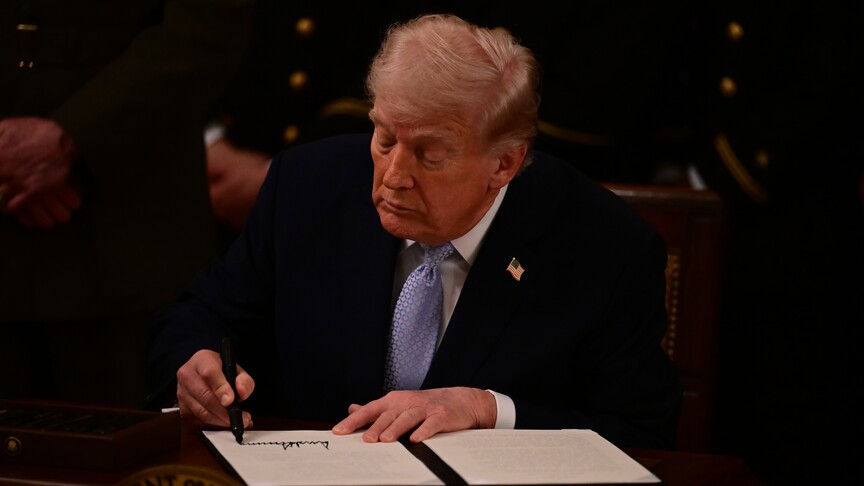
President Donald Trump signed a proclamation imposing tariffs of up to 100% on imported drones and components, aiming to curb foreign dependence and boost U.S. manufacturing.
- Core Development: President Donald Trump signed a proclamation imposing tariffs of up to 100% on imported drones and components, aiming to curb foreign dependence and boost U.S. manufacturing.
- Beat Context: Categorized under World with independent corroboration.
- Reporting Depth: 3 minute analytical read synthesized from verified newsroom sources.
On Thursday, President Donald Trump signed a proclamation that will see the United States impose tariffs of up to 100% on a range of imported drones and their components. The tariffs will take effect in stages, with most duties kicking in on 3 September 2026 and additional rates for certain parts scheduled for 9 February 2027.
Why the sudden change matters now
The decision arrives after a year‑long Section 232 investigation launched by the Commerce Department on 1 July 2025. In that inquiry, officials examined the extent to which U.S. Drone operators—military, law‑enforcement, commercial and emergency responders—depend on foreign components.
Media additions
Tariff tiers and the products they cover
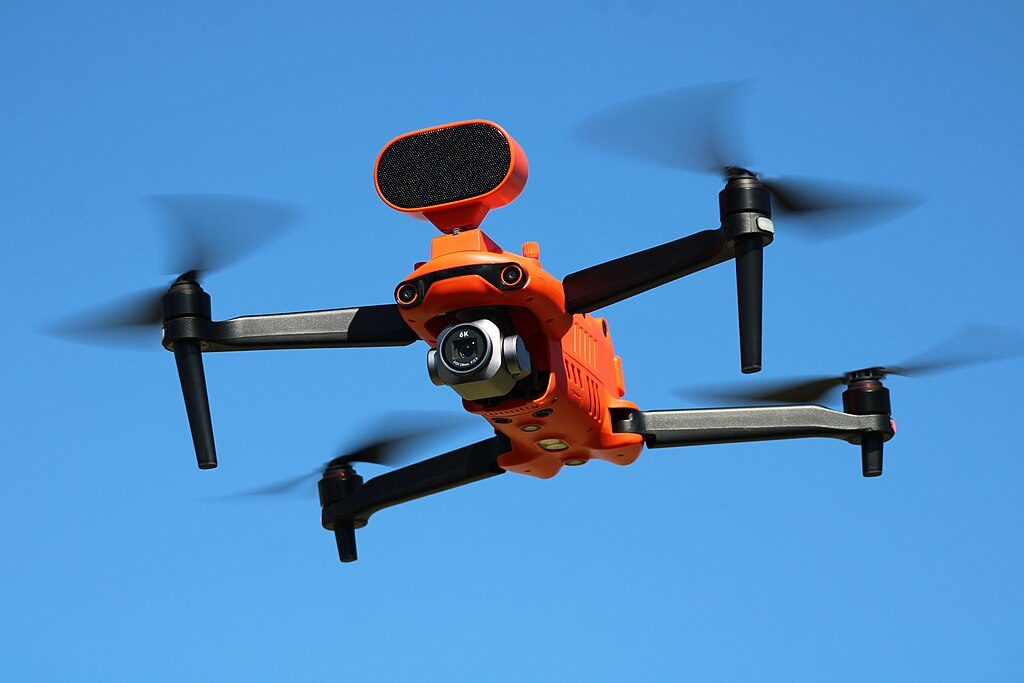
The proclamation differentiates between drones based on weight, capabilities and the origin of their parts. Drones that weigh more than 25 kilograms or are equipped with thermal imaging devices are subject to the highest tariff of 100 %. This category also includes docking stations and a selection of critical components. Smaller drones that lack thermal imaging face a 25 % tariff, while drones and parts that meet stricter origin requirements enjoy lower rates.
Products manufactured in the European Union, Japan, Liechtenstein, South Korea, Switzerland and Taiwan qualify for a 15 % tariff. Drones that are largely built in the United Kingdom can be taxed at 10 %, provided that “substantially all the critical components and technology” come from the United States or those designated partners. The White House emphasized that the intent is to expand domestic drone production and curb dependence on overseas suppliers.
Onshoring incentives and the future of UAS manufacturing
Alongside the tariff schedule, the proclamation directs the Commerce Department to roll out an onshoring programme. Companies that propose to build, refurbish or expand U.S. Manufacturing facilities for drones and components may receive tariff relief on qualifying imports while their projects are underway. The programme will also coordinate with the FCC Covered List process and allow the Department of War or the Department of Homeland Security to approve certain plans.
Approved companies will be monitored closely; the Commerce Department retains the power to rescind benefits if they fail to meet commitments. The White House’s statement said the initiative aims to “promote investment, employment, manufacturing, and innovation in the United States for UAS and UAS components and accessories.”
Industry context and the broader supply‑chain picture
The tariffs are part of a broader strategy that began with the 2025 executive order “Unleashing American Drone Dominance.” That order called for measures to strengthen domestic supply chains and expand U.S. Drone manufacturing. The Section 232 investigation followed a month later, and the tariffs are the first concrete step in implementing that vision.
Annex details
The new duties target those specific parts, with Annex I of the proclamation listing the relevant classifications.
Annex II covers UAS weighing up to 25 kilograms and includes both remotely and non‑remotely controlled aircraft. Annex III lists aircraft parts such as propellers, rotors and undercarriages that will face a 25 % tariff effective 9 February 2027. The programme also leaves room for the Commerce Department to add additional components if they are found to contribute to the national‑security concerns identified in the proclamation.
Timeline of key dates
| Event | Date |
|---|---|
| Section 232 investigation launched | 1 July 2025 |
| Proclamation signed by President Trump | 13 August 2026 |
| Most tariffs take effect | 3 September 2026 |
| Tariffs on certain components take effect | 9 February 2027 |
| Commerce to provide update on new components | within 120 days of proclamation |
What to watch next
- The Commerce Department will establish the process for determining which U.S. And allied products qualify for the lower tariff rates.
- Companies seeking onshoring benefits must submit detailed plans; the approval timeline and criteria are yet to be released.
- Further tariffs may be added if new components are identified as posing national‑security risks.
Sources: Aa, dronelife.com
How significant is this development?
Contribute your assessment to the aggregated reader sentiment ledger.
Frequently Asked Questions
Key questions answered in this reportWhat is the key development in: Trump Imposes Up to 100% Tariffs on Certain Imported Drones and Components?
President Donald Trump signed a proclamation imposing tariffs of up to 100% on imported drones and components, aiming to curb foreign dependence and boost U.S. manufacturing.
Why is this World development significant for the UK?
This report covers critical events in our World beat. Independent reporting monitors related UK statements, regulatory shifts, and public responses as further verified details emerge.
How was this reporting corroborated and verified?
Newsarchy UK compiles and cross-references reporting from primary reporting from aa.com.tr and cross-checked wire reports. All coverage adheres to published editorial standards.
When was this report published?
This briefing was published on August 15, 2026 and is permanently cataloged in the Newsarchy UK World archives.