Trump Administration Escalates Pressure Campaign and Prepares Military Action Against Cuba
Internal military documents and escalating economic sanctions reveal that the Trump administration is increasing pressure on Cuba while examining support units.
- Core Development: Internal military documents and escalating economic sanctions reveal that the Trump administration is increasing pressure on Cuba while examining support units.
- Beat Context: Categorized under World with independent corroboration.
- Reporting Depth: 3 minute analytical read synthesized from verified newsroom sources.
The Trump administration has significantly escalated its pressure campaign against Havana while actively laying the groundwork for potential military operations, raising regional tensions to their highest point in decades. According to CBS News, internal military documents reveal that the U.S. Army Reserve has examined whether it can provide support units within a strict four-month window as part of continued planning overseen by the U.S. Southern Command.
This military maneuvering builds upon a steep economic escalation ladder enacted during the administration's second term. Third Way reported that after the military operation that ousted Venezuelan President Nicolás Maduro, Washington cut off Venezuelan oil shipments to Cuba, instituted an executive order threatening tariffs against any country supplying fuel to the island, and sanctioned GAESA, the military conglomerate controlling an estimated 40 percent of Cuba's economy, alongside senior officials including President Miguel Díaz-Canel. Ahead of the United Nations General Assembly, the administration also targeted military research and development enterprises tied to Cuba's nickel industry.
Media additions
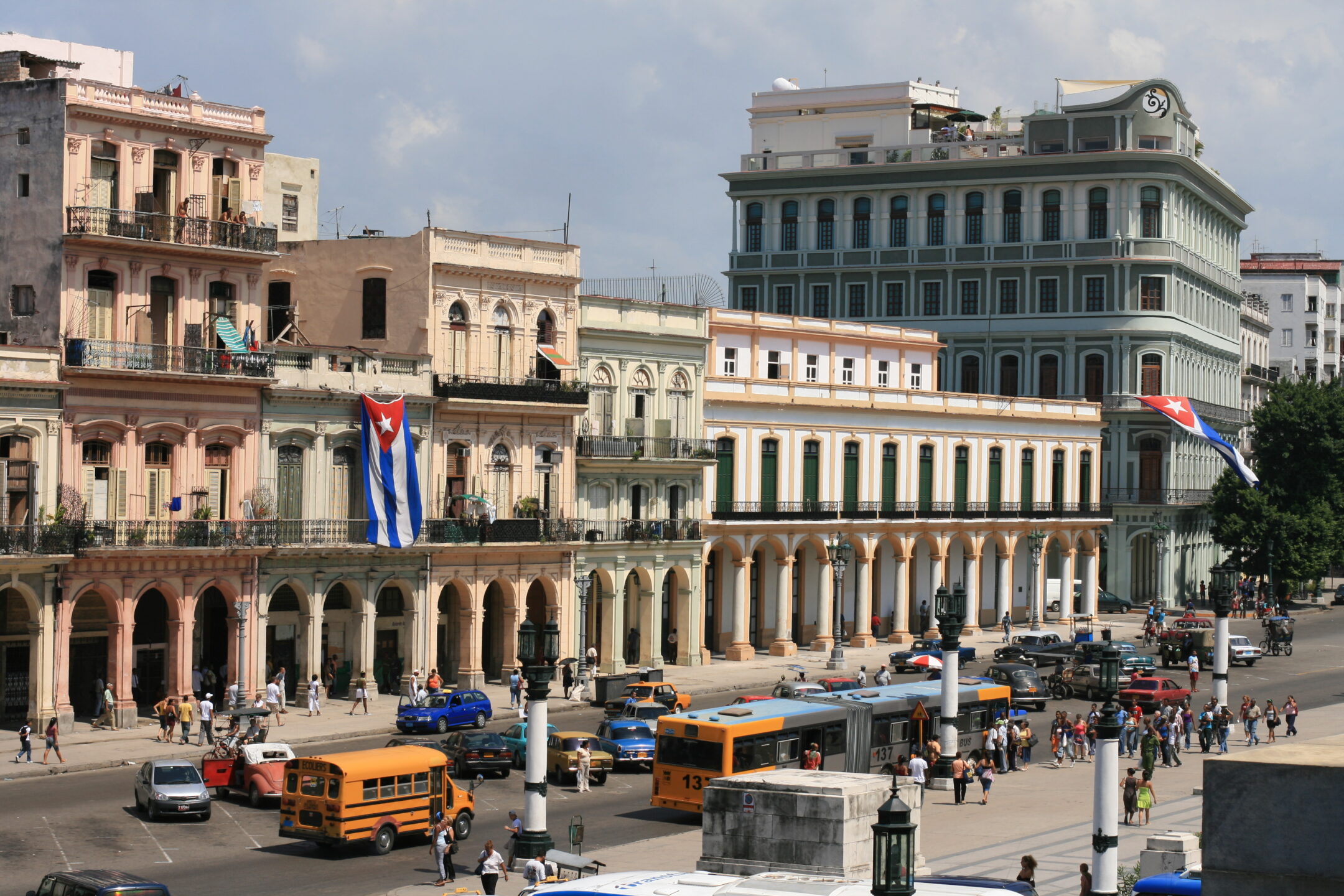
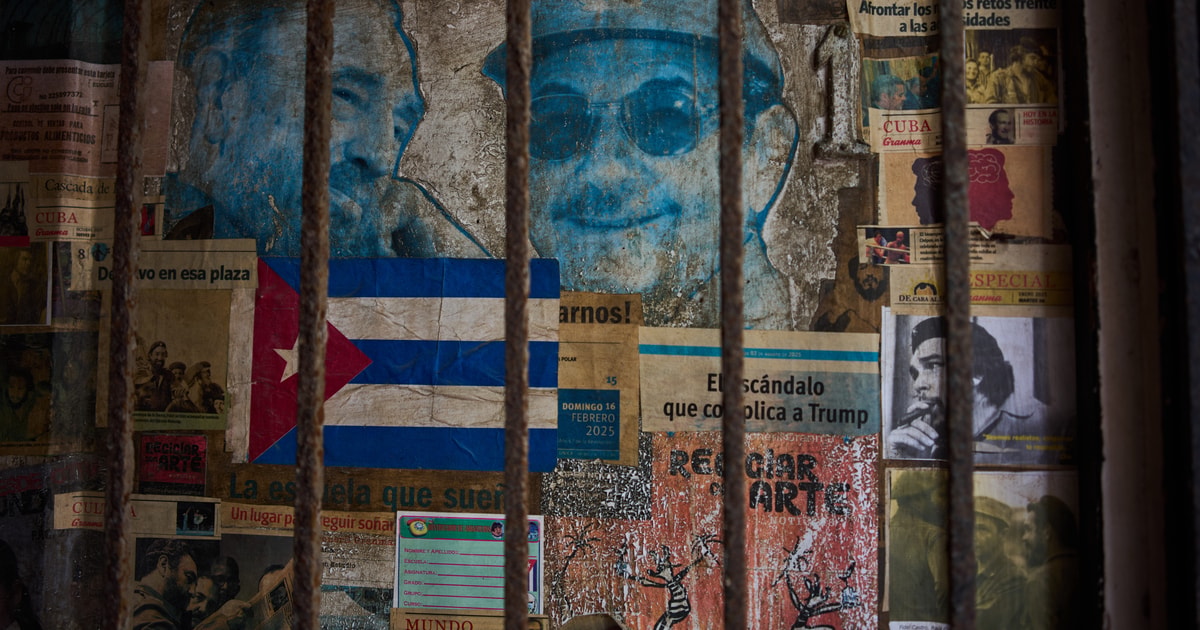
Despite this severe pressure, Cuba's revolutionary government has maintained its stance. As noted by Third Way, the country's leadership survived the severe economic collapse of the 1990s and decades of American embargoes, possessing an extraordinarily high pain tolerance and a capable repressive apparatus. Cuban leaders have offered only marginal economic concessions, such as allowing diaspora investments and accepting aid, while insisting that structural changes demanded by Washington amount to negotiating their own political extinction.
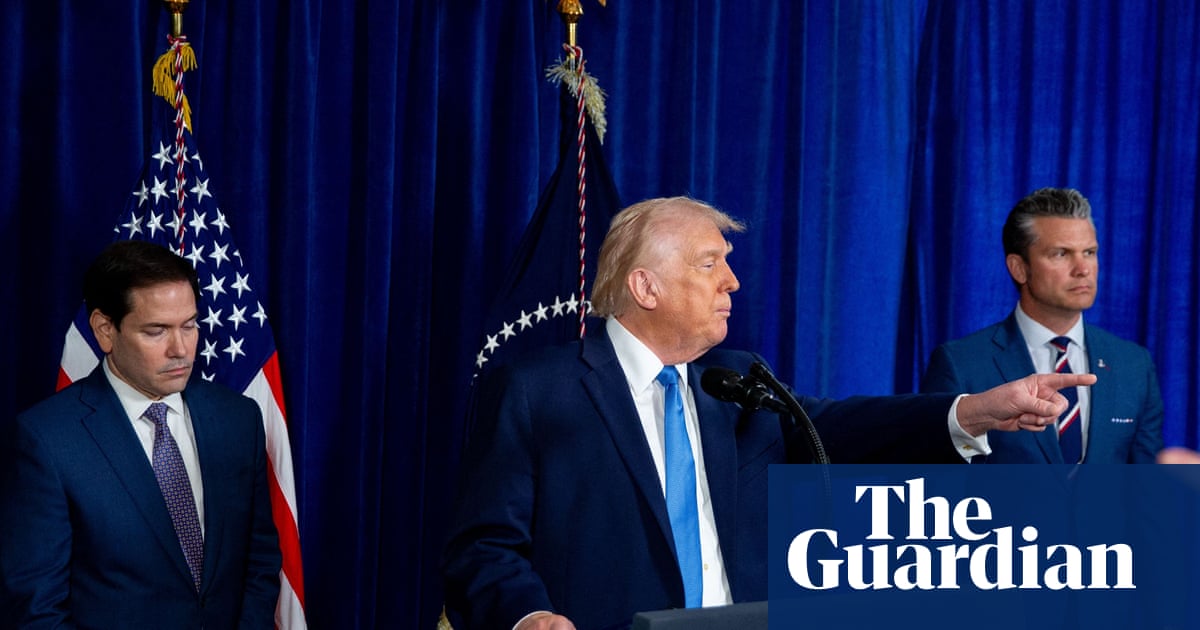
The administration's rhetoric has increasingly matched its operational preparations. Speaking to the U.N. General Assembly, Donald Trump declared that his administration seeks a "fundamental change" on the island and predicted that Cuba's communist government "will fall," prompting the Cuban delegation to walk out of the hall. These remarks followed earlier statements where Trump asserted he believed he could "take Cuba in some form." CBS News reported that American forces previously conducted seafloor and maritime reconnaissance operations around the island, while airpower components were placed on heightened readiness earlier in the year.
Defense analysts and policy groups have warned against repeating past miscalculations. Defensepriorities argued that while the administration claims Cuba represents a nefarious regional presence and a local proxy for Russia and China, the island actually poses no real danger to the United States and is already on the verge of failure due to the longstanding U.S. Embargo and energy blockades. Similarly, Third Way warned that launching military action would risk triggering a humanitarian and migration catastrophe, noting that any sudden collapse in the neighboring nation of 10 million people could spark mass emigration toward Florida and create a security vacuum.
The wider geopolitical fallout from recent American interventions in Latin America was highlighted when The Guardian reported that a U.S. Operation in Caracas resulted in the deaths of 32 Cuban military and police officers stationed there at the request of the Venezuelan government. Furthermore, regional powers including Spain, Brazil, Chile, Colombia, Mexico, and Uruguay issued a joint statement condemning U.S. Actions as an extremely dangerous precedent for regional security.
| Entity / Source | Reported Posture or Action | Strategic Context |
|---|---|---|
| U.S. Southern Command | Continued military planning and review of reserve logistics, medical, and police units | Assessing potential requirements in the region within a 90 to 120-day framework |
| Third Way Analysis | Escalation campaign featuring leaked drone intelligence, CIA warnings, and unsealed indictments | Reflects administration desire for an "easy win" following the Venezuela operation |
| Defense Priorities | Sanctions regime designed to starve Cuba of fuel and tank tourism | Aims to compel political collapse on an island already weakened by a 64-year embargo |
As the administration weighs its next moves in the Western Hemisphere, attention turns to the immediate operational deadlines and diplomatic friction points.
What to Watch Next
How significant is this development?
Contribute your assessment to the aggregated reader sentiment ledger.
Frequently Asked Questions
Key questions answered in this reportWhat is the key development in: Trump Administration Escalates Pressure Campaign and Prepares Military Action Against Cuba?
Internal military documents and escalating economic sanctions reveal that the Trump administration is increasing pressure on Cuba while examining support units.
Why is this World development significant for the UK?
This report covers critical events in our World beat. Independent reporting monitors related UK statements, regulatory shifts, and public responses as further verified details emerge.
How was this reporting corroborated and verified?
Newsarchy UK compiles and cross-references reporting from primary reporting from The Guardian and cross-checked wire reports. All coverage adheres to published editorial standards.
When was this report published?
This briefing was published on September 25, 2026 and is permanently cataloged in the Newsarchy UK World archives.