Nuclear blast maps show devastation in 10 UK cities as Russia warns West
Updated nuclear blast projections reveal the devastating impact an 800-kiloton strike would have on major urban centers amid renewed warnings from Moscow.
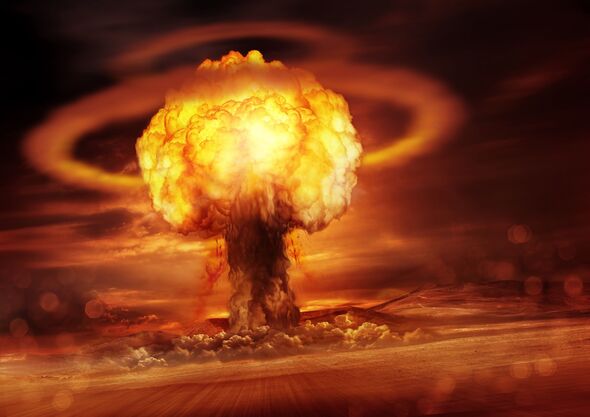
- Core Development: Updated nuclear blast projections reveal the devastating impact an 800-kiloton strike would have on major urban centers amid renewed warnings from Moscow.
- Beat Context: Categorized under World with independent corroboration.
- Reporting Depth: 4 minute analytical read synthesized from verified newsroom sources.
New nuclear missile threats from Russia have brought the spectre of global devastation back into sharp focus, with updated blast projections illustrating the catastrophic toll a strike could take on major urban areas. The renewed anxiety follows explicit warnings from senior Moscow figures urging the West to take Russian threats seriously. At the same time, escalating conflicts involving the United States, Israel, and Iran continue to destabilise the Middle East, drawing international concern over wider geopolitical flashpoints and drawing responses from allied leaders across Europe.
According to reporting by Aol, Dmitry Medvedev, leader of United Russia and deputy head of the Kremlin security council, insisted that Western governments should treat Moscow's regular warnings about nuclear war as genuine policy rather than mere rhetoric. These are not hints,
Medvedev stated in an interview, adding that nuclear weapons could indeed be employed under certain circumstances. The warnings have reignited public awareness of civil contingency planning in the UK and other World coverage sectors.
Media additions
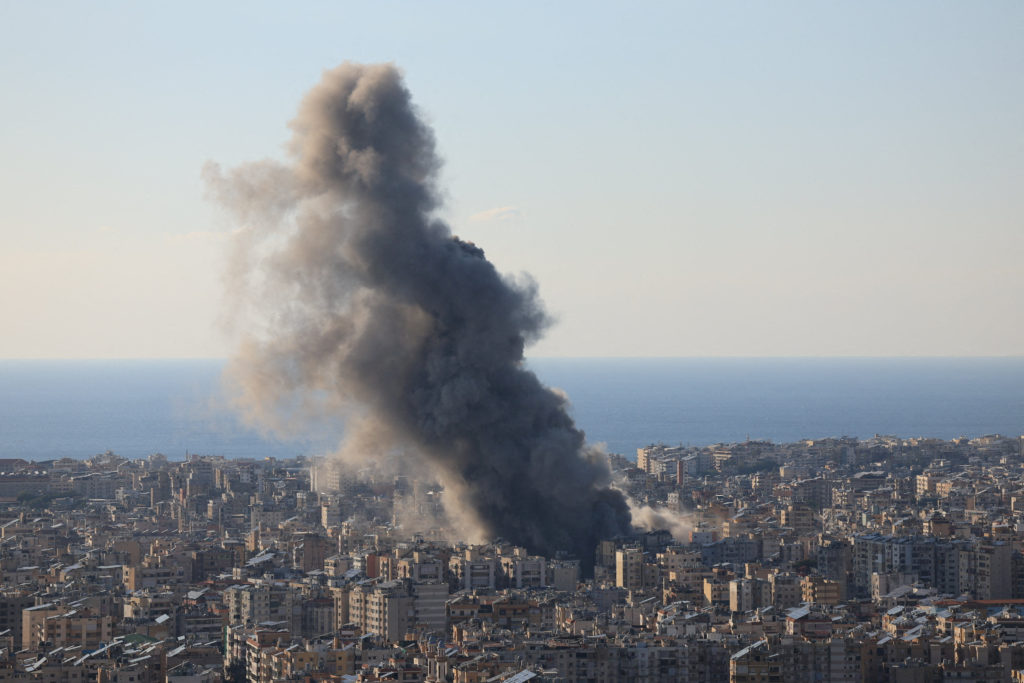
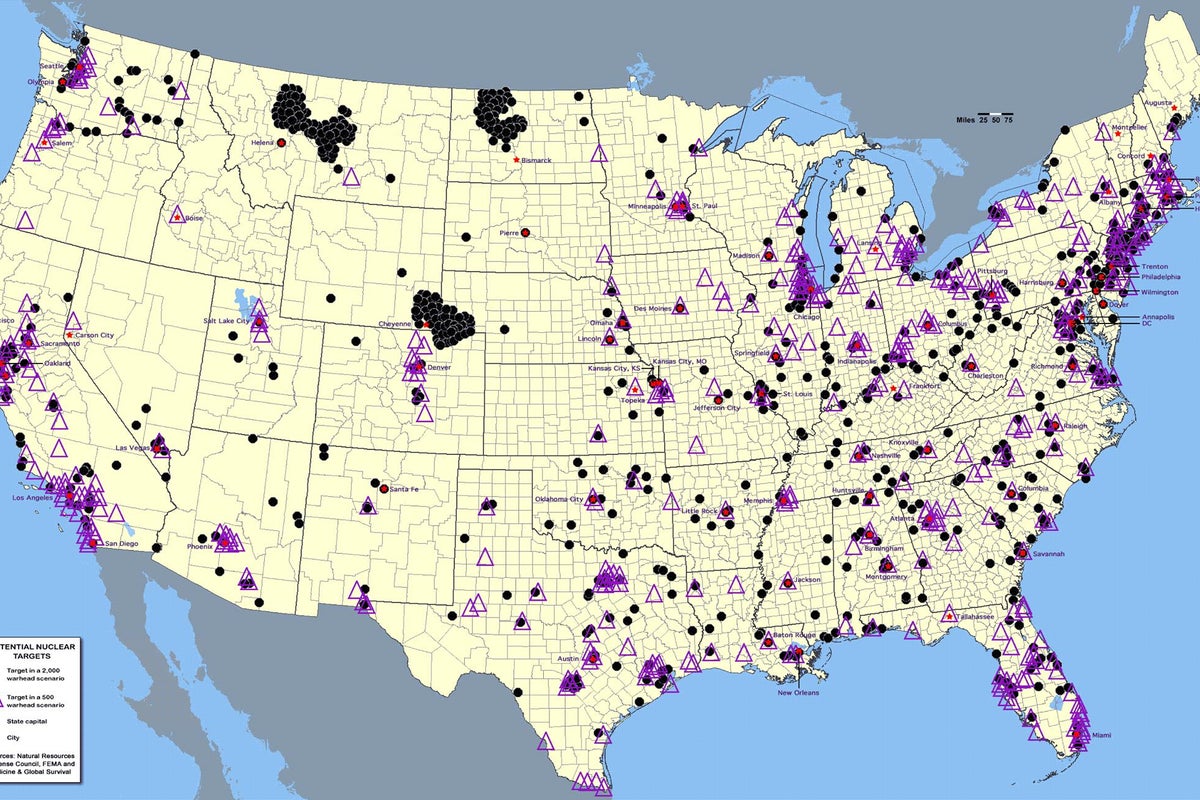

Specialist digital modelling tools, such as the Nuke Map developed by Alex Wellerstein at the Stevens Institute of Technology, illustrate the catastrophic consequences of deploying warheads similar to those in the Russian inventory. Projecting an 800-kiloton Topol SS-25 weapon over major cities reveals distinct zones of devastation. The central fireball vaporises everything within its immediate boundary, while subsequent moderate blast rings collapse residential buildings and ignite widespread fires. Further outward zones expose populations to extreme thermal radiation, resulting in severe third-degree burns and long-term disablement.
Despite these chilling theoretical scenarios, the UK government maintains that its continuous at sea deterrent, maintained by the Royal Navy, provides a vital shield against extreme aggression. Officials emphasise that while the risk of direct nuclear conflict remains remote, capabilities must be maintained to counter increasingly complex global threats and protect NATO allies.
Parallel to the nuclear threats in Europe, the Middle East has plunged into a widening war following joint U.S. And Israeli military strikes against Iran. According to Associated Press coverage via PBS, the campaign has resulted in hundreds of casualties across Iran, alongside regional retaliatory missile and drone attacks hitting Israel, Lebanon, and Gulf states. The conflict has also claimed the lives of American service members and caused significant material and psychological damage in nations hosting U.S. Military assets.
NATO Secretary General Mark Rutte expressed unreserved support for the U.S. And Israeli actions during an interview with German public broadcaster ARD, citing the critical security necessity of preventing a nuclear-armed Iran. Conversely, the intervention drew sharp criticism from figures such as Spanish Prime Minister Pedro Sánchez, who condemned the unilateral military strikes as unjustifiable and dangerous.
As the international community grapples with simultaneous crises across multiple continents, analysts and officials continue to debate the long-term strategic trajectory of these confrontations. The UK government maintains its reliance on long-standing nuclear deterrence frameworks, while international bodies monitor the expanding conventional conflicts in the Middle East.
| Conflict / Scenario | Primary Actor / Region | Reported Impact / Status |
|---|---|---|
| Russian Nuclear Posture | Moscow / United Russia | Kremlin officials warn the West that nuclear weapons could be used in certain circumstances. |
| U.S.-Israeli Campaign in Iran | Middle East | Over 555 fatalities reported in Iran, alongside regional missile exchanges and diplomatic fallout. |
| UK Nuclear Deterrent | Royal Navy | Continuous at sea deterrence maintained via ballistic missile submarines to safeguard national security. |
Public apprehension has also been fueled by historical context and expert warnings regarding disaster preparedness. Disaster preparedness experts emphasise that survival in a radiological emergency depends heavily on immediate shelter-seeking, sealing entry points, and rationing supplies during the initial fallout period.
What to Watch Next
- Monitor ongoing diplomatic briefings and congressional debates in Washington regarding supplemental funding and operational objectives in the Middle East.
- Observe any further formal policy adjustments or retaliatory announcements from Moscow concerning European security architecture and arms control agreements.
- Track civil preparedness updates and official guidance issued by national authorities regarding radiological and security contingencies.
How significant is this development?
Contribute your assessment to the aggregated reader sentiment ledger.
Frequently Asked Questions
Key questions answered in this reportWhat is the key development in: Nuclear blast maps show devastation in 10 UK cities as Russia warns West?
Updated nuclear blast projections reveal the devastating impact an 800-kiloton strike would have on major urban centers amid renewed warnings from Moscow.
Why is this World development significant for the UK?
This report covers critical events in our World beat. Independent reporting monitors related UK statements, regulatory shifts, and public responses as further verified details emerge.
How was this reporting corroborated and verified?
Newsarchy UK compiles and cross-references reporting from primary reporting from aol.co.uk and cross-checked wire reports. All coverage adheres to published editorial standards.
When was this report published?
This briefing was published on September 10, 2026 and is permanently cataloged in the Newsarchy UK World archives.