Gadi Eisenkot challenges Netanyahu in Israeli election campaign
Former IDF chief Gadi Eisenkot is mounting a formidable challenge against Prime Minister Benjamin Netanyahu in Israel's upcoming election.

- Core Development: Former IDF chief Gadi Eisenkot is mounting a formidable challenge against Prime Minister Benjamin Netanyahu in Israel's upcoming election.
- Beat Context: Categorized under World with independent corroboration.
- Reporting Depth: 3 minute analytical read synthesized from verified newsroom sources.
A profound shift in Israeli politics has upended the electoral landscape as retired general Gadi Eisenkot mounts a fierce challenge against Prime Minister Benjamin Netanyahu. Scheduled for 27 October 2026, the upcoming election arrives under the heavy shadow of the 7 October 2023 Hamas-led attacks and subsequent regional warfare, transforming a traditional parliamentary contest into a referendum on state accountability, military governance, and the nation's democratic future, according to regional reporting.
Eisenkot, who served as the military's chief of staff from 2015 to 2019 under Netanyahu, has rapidly transformed from a political newcomer into Netanyahu's most formidable rival. Running under the newly established Yashar party—meaning "straight" in Hebrew—the 66-year-old challenger has positioned his campaign around national unity, institutional integrity, and reform of military service exemptions for ultra-Orthodox citizens, as detailed by Tbsnews.
Media additions
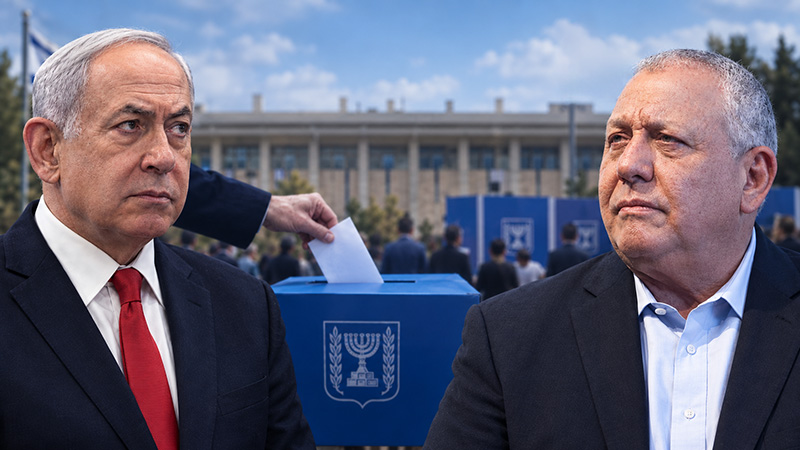

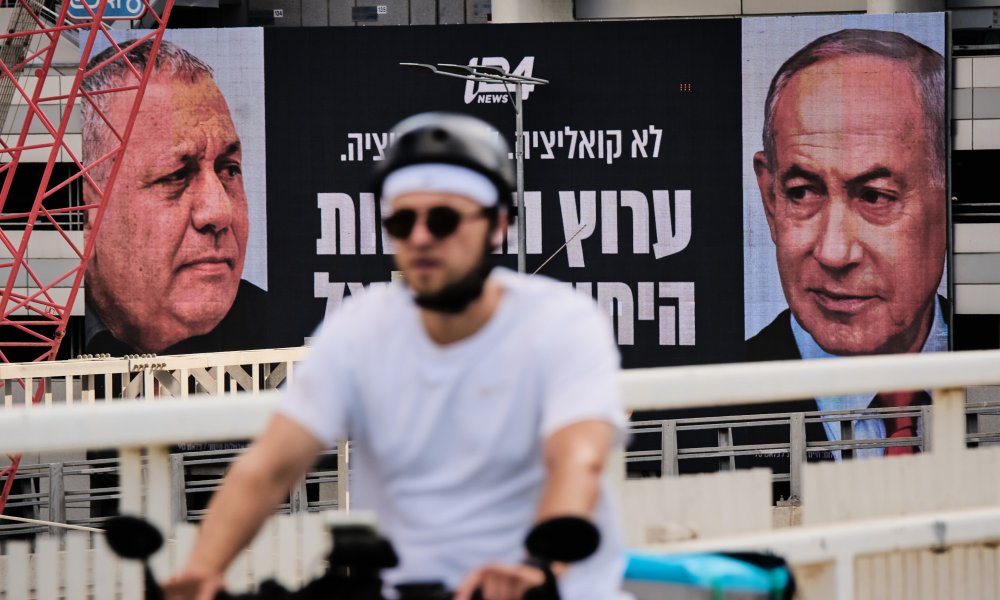
The campaign has been defined by immense personal grief and sharp political friction. Eisenkot joined Netanyahu's emergency war cabinet following the 7 October attack, only to resign in June 2024 alongside Benny Gantz, citing the absence of a clear post-war strategy. Months later, tragedy struck his own family when his youngest son, Gal, 25, was killed fighting in Gaza in December 2023, and two of his nephews also died in combat.
Polling data indicates a deeply fractured Knesset where neither major faction is projected to secure the necessary parliamentary majority. According to figures compiled across multiple regional reports, the electoral math underscores a profound stalemate:
| Political Faction / Leader | Projected Knesset Seats | Key Campaign Positions & Dynamics |
|---|---|---|
| Yashar Party (Gadi Eisenkot) | 20 to 23 seats | Campaigns on state accountability, universal military conscription, and opposition to Netanyahu. |
| Likud & Right-Wing Coalition (Benjamin Netanyahu) | 52 seats | Focuses on security, regional deterrence against Iran, and maintaining right-wing coalition alliances; relies on caretaker mechanisms if deadlock occurs. |
| Opposition Bloc Total | 50 to 51 seats | Falls short of the 61 seats majority threshold, complicating potential coalition formation without unaligned factions. |
| Arab-Majority Parties (Ra'am & Joint List) | 12 to 13 seats | Reinstated to the ballot by the Supreme Court after initial disqualification attempts; forms a politically sensitive and contested pathway for opposition majority. |
International alliances and diplomatic posture also feature prominently in the race. While Donald Trump has given Netanyahu his "complete and total endorsement", calling him a "great warrior prime minister" and warning that anyone else would be the "wrong leader", Eisenkot has sought to reassure Washington by emphasizing his commitment to the “deep bonds” between Israel and the US, as reported by the New York Post. Eisenkot praised the strategic alignment behind regional counterterrorism efforts and outlined a vision for an American-led security architecture involving moderate Sunni states.
Domestically, the electoral battleground has witnessed severe procedural and legal maneuvers. According to the Arab Center Washington DC, Israel’s Central Elections Committee initially disqualified every Arab-majority party from running. Although the Supreme Court unanimously overturned the bans, analysts note that the political fallout has reinforced Netanyahu's broader strategy. By framing the opposition as reliant on Arab-majority factions, Likud campaign messaging targets conservative "soft-right" voters.
The Arab Center Washington DC further reports that if neither bloc reaches the 61 seats threshold, Netanyahu would remain in office to oversee a caretaker government. Such an outcome would allow him to continue directing military operations across multiple fronts while retaining the protections of a sitting prime minister during his ongoing corruption trial.
As the election approaches on 27 October 2026, voters face a profound choice between continuity under Netanyahu's seasoned political apparatus and Eisenkot's promise of institutional reform and military accountability. Whether Eisenkot can translate his military background and domestic reform proposals into sufficient parliamentary support to form a government remains the central question of the campaign.
How significant is this development?
Contribute your assessment to the aggregated reader sentiment ledger.
Frequently Asked Questions
Key questions answered in this reportWhat is the key development in: Gadi Eisenkot challenges Netanyahu in Israeli election campaign?
Former IDF chief Gadi Eisenkot is mounting a formidable challenge against Prime Minister Benjamin Netanyahu in Israel's upcoming election.
Why is this World development significant for the UK?
This report covers critical events in our World beat. Independent reporting monitors related UK statements, regulatory shifts, and public responses as further verified details emerge.
How was this reporting corroborated and verified?
Newsarchy UK compiles and cross-references reporting from primary reporting from The New Yorker and cross-checked wire reports. All coverage adheres to published editorial standards.
When was this report published?
This briefing was published on October 25, 2026 and is permanently cataloged in the Newsarchy UK World archives.