US launches fresh airstrikes on Iran as regional conflict escalates
Military tensions have escalated following the deaths of two American service members in Jordan, prompting an expanded US aerial campaign against Iran.
- Core Development: Military tensions have escalated following the deaths of two American service members in Jordan, prompting an expanded US aerial campaign against Iran.
- Beat Context: Categorized under World with independent corroboration.
- Reporting Depth: 3 minute analytical read synthesized from verified newsroom sources.
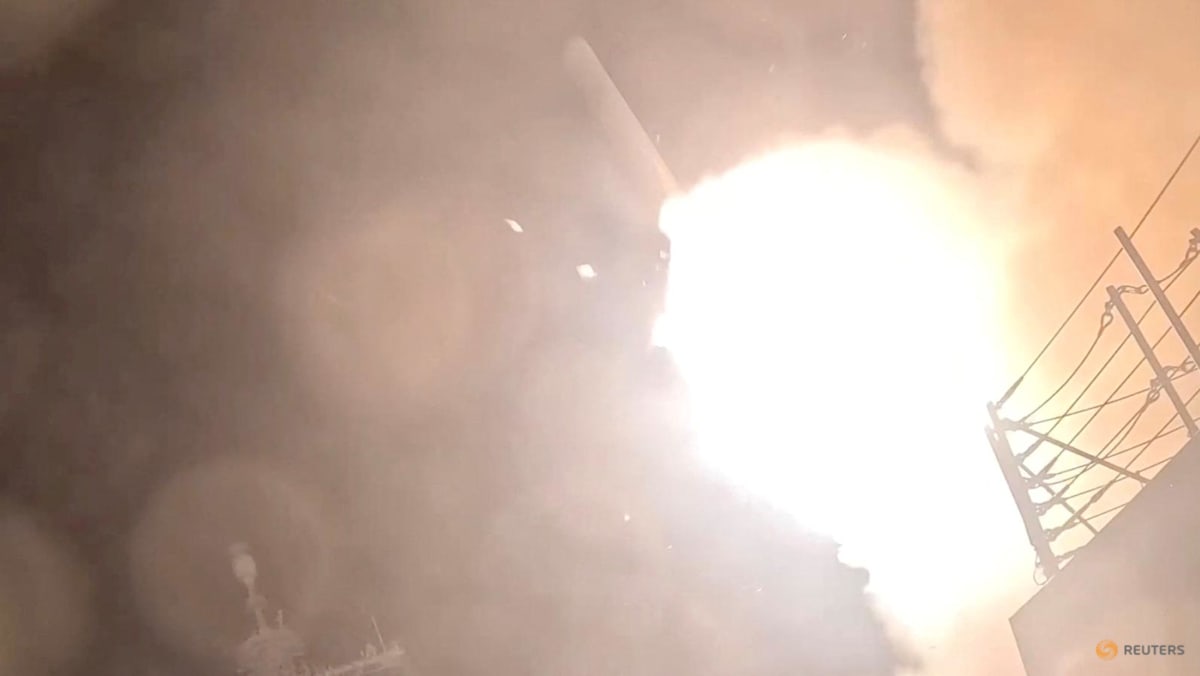
The United States continued its military campaign against Iran on Sunday, 19 July 2026, marking an eighth consecutive night of airstrikes. This escalation follows the deaths of two American service members in Jordan on Friday, 17 July 2026, an incident that has further intensified a conflict that shows no signs of resolution following the collapse of a recent interim ceasefire.
U.S. Central Command targeted Iranian military coastal surveillance, air defense facilities, and missile and drone storage sites. The U.S. Military stated these operations were intended to swiftly punish
the Islamic Revolutionary Guard Corps for the attack on American service members, while simultaneously attempting to degrade Iran’s ability to control the Strait of Hormuz.
Media additions

The situation in the region remains volatile as the scope of target sets expands. Iran’s atomic energy agency reported that U.S. Projectiles struck the construction site of the Darkhovin nuclear plant in the southwest of the country. The International Atomic Energy Agency noted that the facility was in the early stages of construction and contained no nuclear material during its most recent inspection.
The violence has spilled over into neighboring territories. On Saturday, 18 July 2026, Kuwait reported that Iranian missiles and drones struck a power and water desalination plant, leading to fires. Bahrain’s military also reported intercepting Iranian aerial attacks, while Jordan’s armed forces shot down incoming missiles aimed at the kingdom. Israeli forces assisted in intercepting missiles launched toward the Jordanian port city of Aqaba, citing concerns that debris could impact Israeli territory.
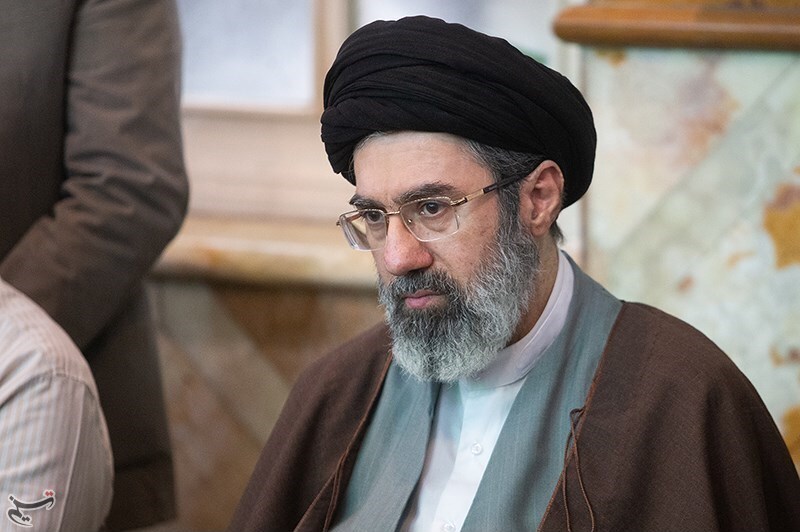
Diplomatic efforts are currently stalled. An interim deal, which was intended to provide a 60-day window for negotiations, has effectively collapsed. Iranian Supreme Leader Mojtaba Khamenei stated on Saturday that the U.S. President’s signature on the agreement was worthless,
while Tehran's negotiators announced a suspension of commitments under the memorandum.
Conflict Impact and Casualties
The human and economic costs of the fighting continue to mount. According to official reports:
- U.S. Casualties: 16 service members have been killed since the conflict began on 28 February 2026, with over 430 wounded. One service member remains missing following the attack in Jordan.
- Iranian Casualties: Authorities in Tehran claim at least 50 people have been killed and over 500 wounded due to U.S. Strikes.
- Maritime Traffic: Shipping in the Strait of Hormuz has slowed significantly, with daily transits dropping from nearly 140 before the war to single digits in recent days.
The U.S. Navy has reimposed a blockade on Iranian ports, forcing the redirection of commercial vessels. Amid these disruptions, global fuel prices have shown sensitivity to the insecurity of the strait, which serves as a major conduit for global oil and natural gas supplies.
What to Watch Next
- White House Diplomacy: Lebanese President Joseph Aoun is scheduled to arrive in Washington to meet with U.S. President Donald Trump.
- Infrastructure Stability: Continued attacks on desalination and power plants in Gulf states pose a risk to essential services.
- Military Posture: With both nations signaling a refusal to de-escalate, observers are tracking further potential for strikes on strategic infrastructure, including transit hubs like Bandar Abbas and additional energy facilities.
As the conflict enters this new phase, the U.S. Department of State has issued warnings for Americans to exercise caution across the Middle East, citing the high potential for unforeseen escalation.
How significant is this development?
Contribute your assessment to the aggregated reader sentiment ledger.
Frequently Asked Questions
Key questions answered in this reportWhat is the key development in: US launches fresh airstrikes on Iran as regional conflict escalates?
Military tensions have escalated following the deaths of two American service members in Jordan, prompting an expanded US aerial campaign against Iran.
Why is this World development significant for the UK?
This report covers critical events in our World beat. Independent reporting monitors related UK statements, regulatory shifts, and public responses as further verified details emerge.
How was this reporting corroborated and verified?
Newsarchy UK compiles and cross-references reporting from primary reporting from apnews.com and cross-checked wire reports. All coverage adheres to published editorial standards.
When was this report published?
This briefing was published on July 19, 2026 and is permanently cataloged in the Newsarchy UK World archives.